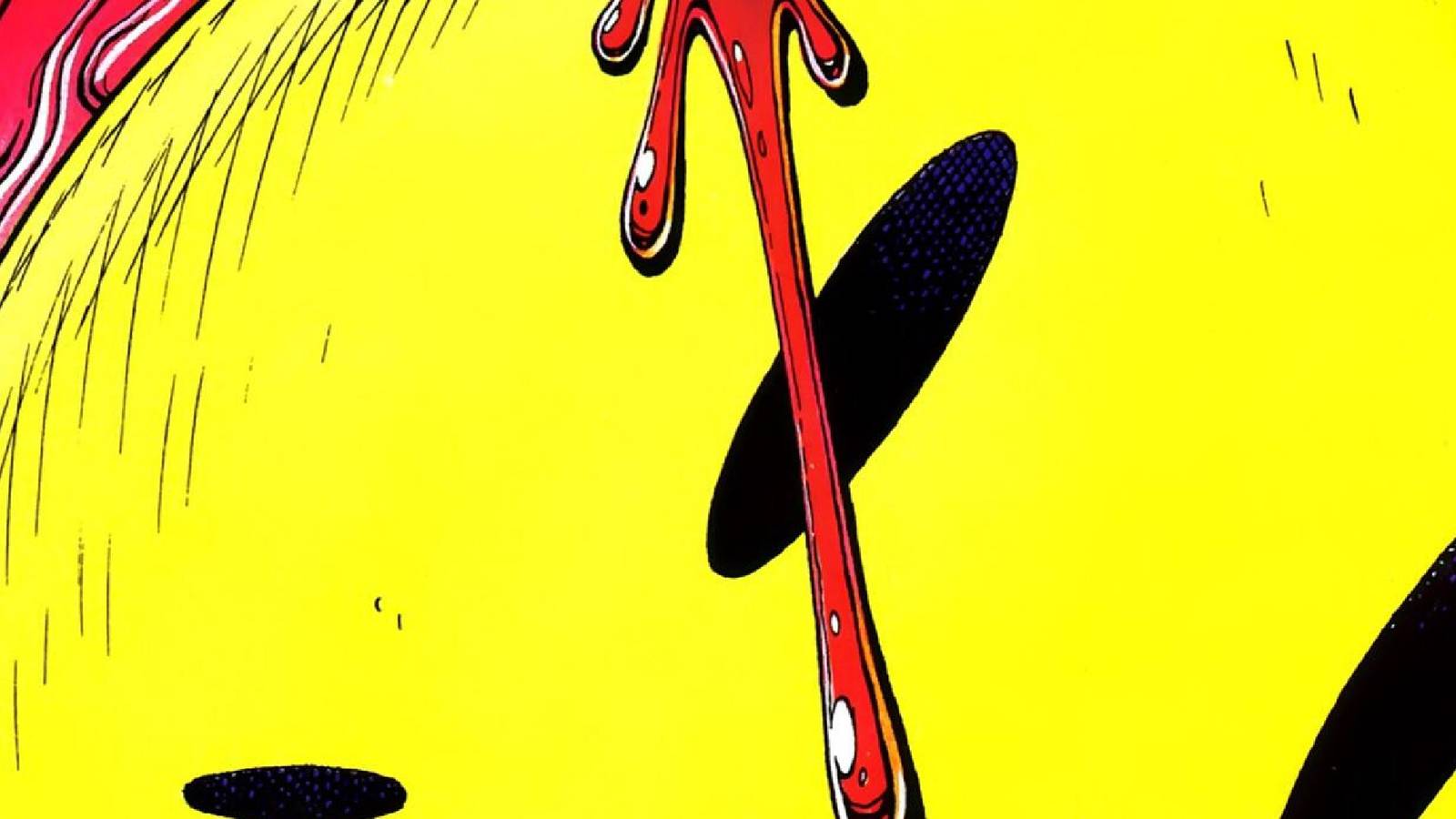
Published Jul 26, 2026, 7:30 PM EDT Derek is the Training Lead for ScreenRant. Before his current position, he spent 20 years working in games, TV, and film while also writing for several entertainment sites. Derek is also the co-host of three pop culture podcasts: Across the Omniverse, The Bad Batch, and Watch Men. In the second half of 1986, the first issue of Alan Moore and Dave Gibbons's Watchmen hit the shelves, and the comic book world was forever changed. The series, a 12-issue story, tore apart the basic concepts of superhero comics and deconstructed the genre, taking what was wildly considered tales for kids and teens and making them into literature worthy of being discussed in the New York Times and landing on Time Magazine's "All-Time 100 Greatest Novels" list in 2005. But, just a month before Watchmen #1 hit stands, another 12-issue series came to a close. This series, published by DC Comics' rival Marvel, touched on many of the same themes as Watchmen but didn't grab the world's attention. Written by Mark Gruenwald with art by Bob Hall, Paul Ryan, and John Buscema, Squadron Supreme took Marvel's version of the Justice League and showed how, with great power comes an urge to control the world. And, no matter how righteous those intentions may be, they will always end in disaster. In the 40 years since the series ended, there have been moments when the book has been celebrated — along with attempts to bring it back — but still, the work of these masters of the art form continues to be relegated to the footnotes of comic book history when it deserves so much more. Squadron Supreme Showed The Darker Side Of Superheroes Without Breaking The Rules With Watchmen, Moore and Gibbons shatter the basic rules of superhero comics to show the inherent fascism that a fair number of creators feel lie at the heart of the genre. Where superheroes had primarily been family-friendly tales up to that point, Watchmen doesn't shy away from the reality of what the lives of costumed heroes would be like. The series was violent, showing the blood and gore in ways rarely seen in comics. It was also sexual and filled with language that would make your grandma blush. But all of this served to give the story a gritty feel that helped amplify the overall idea that the creators wanted to explore. It also settled on the idea that there was just a single superpowered being, with all other heroes using gadgets, setting up the idea that the one powered character — Dr. Manhattan — was the overseeing god who served as a threat to all reality. But even the non-powered heroes were a threat to humanity, deciding that they had the right, if not the divine calling, to decide how the world should be, whether it was by fighting people in the streets of New York or building machines to force every nation to work together. There is no arguing that Watchmen is a masterpiece, but, by breaking the conventions of superhero comics, it fails to fully grasp what makes them into the very things Moore and Gibbons are commenting on. But with Squadron Supreme, Gruenwald, Hall, Ryan, and Buscema stick to the rules, keeping the book kid friendly while also pointing out the dangers of worshiping superheroes. Squadron Supreme is set in a world that has plenty of superpowered beings and a team of heroes who decide that the only way to save humanity from its destructive nature is by taking over the world. And they do just that. But, unsurprisingly, some people have an issue with unelected superpowered beings deciding that they know what is best for everyone, and a whole lot of conflict follows. Across the 12 issues, Gruenwald not only explores the fascistic elements of superheroes, but the other pieces that make up the genre, including why these super-geniuses don't cure all diseases, why they are so prone to fight one another, and the pressures that come from believing you are destined for greatness. And it is all done within the basic parameters of superhero books, with the bright colors, the lack of serious amounts of blood, and no nudity or R-rated language. And, because of this, the story works better as a critique in the genre than Watchmen can. 40 Years Later, Squadron Supreme Is Still Quietly Influencing Superhero Stories While Squadron Supreme has never gotten the laurels it deserves from the outside world, it seems clear that many of the people who tell superhero stories have been inspired by it, both on the page and at the movies. The big airport scene in Captain America: Civil War felt very familiar to fans of Squadron Supreme, as that sequence in the movie heavily reflects the ending of the comic. Mark Waid and Alex Ross' Kingdom Come also reflects elements of Gruenwald's story. And one of DC's most controversial stories, Identity Crisis, has the same concept as a major part of Squadron Supreme, with the heroes wiping the minds of their enemies. But, perhaps most notably, the modern day relationship between DC's Trinity — Superman, Batman, and Wonder Woman — is just about exactly the same as the relationship their Marvel counterparts — Hyperion, Nighthawk, and Power Princess — share, with Power Princess/Wonder Woman acting as the confidant both men turn to in times of need. Even Sqaudron Supreme's Green Lantern — Doctor Spectrum — seems like an early version of Kyle Raynor. Maybe one day the world will catch up and see just how amazing and influential Squadron Supreme was. And how it goes even deeper into deconstructing the superhero than Watchmen does. But, for now, it remains a series that goes essentially unnoticed by the masses.
Marvel's Watchmen Is The Greatest Superhero Epic Nobody Talks About
Full Article
Original Source
Read the full article at Screenrant →KhanList aggregates and links to publicly available news content. We do not host full articles from third-party sources. Always verify important information with original sources.