
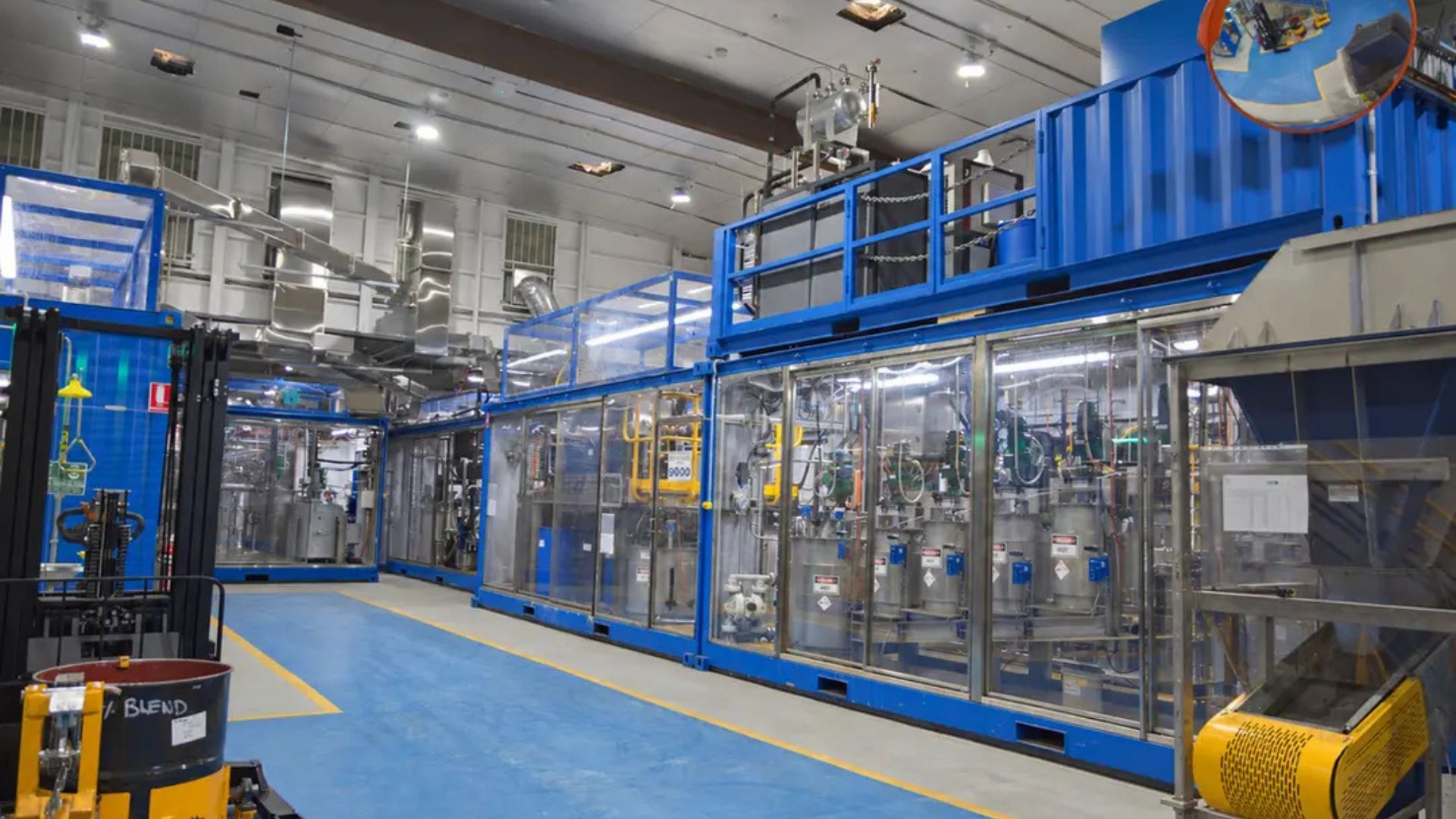
Australian mining giant Fortescue has processed and sold more than 40 tonnes of commercial-grade copper concentrate. It was purified by the firm’s proprietary “world-first arsenic removal technology”: the Toowong Process. The patented Toowong Process separates toxic arsenic from copper concentrate using a low-temperature, low-pressure hydrometallurgical method. This technique offers a chemical alternative to existing high-heat processing. Without proper treatment, high-arsenic copper concentrate faces heavy smelter discounts or becomes unsellable. Notably, the method was tested across seven campaigns and over 3,000 operational hours. It reduced raw feedstock arsenic levels from up to 7.0 percent down to under 0.25 percent, well below commercial penalty limits. At the same time, it maintains a copper recovery rate of over 99.9 percent. The global copper industry has long struggled with toxic arsenic embedded in rich mineral reserves. Smelters reject or penalize this dangerous contaminant, forcing miners to destroy it using energy-intensive, high-emission furnaces. Various things depend on copper. Electric vehicles, wind turbines, massive data centers, and expanding power grids all run on the red metal. Global copper demand is projected to skyrocket by over 50 percent by 2050, topping 50 million tonnes annually. But easily accessible, clean copper deposits are running out fast. To keep the green transition moving, miners are turning to complex ores laced with high concentrations of toxic impurities. Miners usually use roasting to strip out arsenic, cooking ore at extreme temperatures through an energy-intensive process. This method produces heavy carbon emissions along with dangerous, water-soluble airborne arsenic dust. As a result, facilities have to build costly containment infrastructure to safely manage these hazardous byproducts. Fortescue acquired the Toowong Process in 2022 and spent four years refining it at a demonstration plant in Brisbane. This low-temperature, low-pressure hydrometallurgical method removes arsenic cleanly and operates without fossil fuels or poisonous gas emissions. It traps the contaminant as a safe, chemically stable solid product while recovering almost all the copper. Shows promise in testing This technology turns unusable, high-arsenic copper into valuable inventory, creating new revenue and cutting operating costs. During seven trial campaigns totaling 3,000 hours, researchers at the Brisbane facility tested raw concentrate with arsenic levels as high as 7 percent. The system consistently produced refined batches with less than 0.25 percent arsenic, dropping far below standard market thresholds. Moreover, the process achieved this level of purity and even preserved an impressive 99.9 percent of the original copper content. “In the early days of iron ore, Fortescue challenged the assumption that lower-grade deposits could not be developed competitively. The Toowong Process brings that same mindset to copper,” said Gus Pichot, Fortescue Growth and Energy CEO in the press release. “This technology has the potential to make high-arsenic deposits more economically viable, addressing major processing challenges and eliminating emissions at the same time.” The maiden sale proves that cleaner copper is a profitable, commercially viable reality. Fortescue is now scaling up the technology for deployment across its global operations, targeting major assets like the Cañariaco Copper Project in Peru. Get the latest in engineering, tech, space & science - delivered daily to your inbox.Mrigakshi is a science journalist who enjoys writing about space exploration, biology, and technological innovations. Her work has been featured in well-known publications including Nature India, Supercluster, The Weather Channel and Astronomy magazine. If you have pitches in mind, please do not hesitate to email her.
Low-temperature process removes arsenic from copper while preserving metal yields
Full Article
Original Source
Read the full article at Interestingengineering →KhanList aggregates and links to publicly available news content. We do not host full articles from third-party sources. Always verify important information with original sources.