
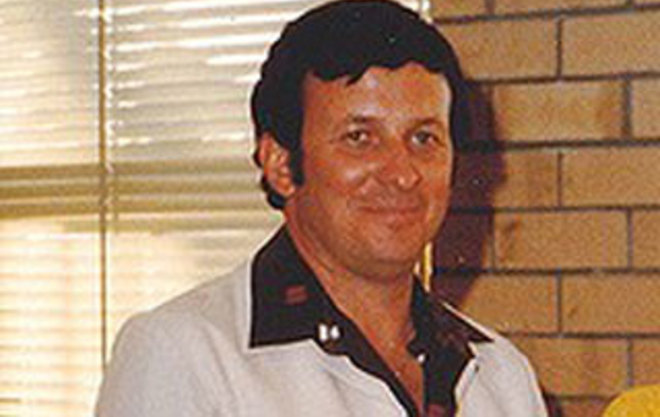
October 16, 2026 — 6:32pmA man once described as WA’s worst serial sex predator is just weeks away from being released from prison as lawyers for the state continue to push for him to be strictly monitored as a high-risk offender as soon as he gets out.Dennis John McKenna, 81, was convicted of the systemic abuse of almost 30 boys at St Andrew’s Hostel in Katanning, where he worked between 1957 and 1990, including as warden from 1976.Dennis McKenna on the day he was awarded Citizen of the Year in Katanning in January 1984.He is serving his second jail term for molesting students, a sentence which ends on November 17.In the past year, multiple court hearings have been held to determine whether McKenna should be deemed a High Risk Serious Offender which will make his upcoming release from prison less about his freedom and more about ensuring the protection of the community if he reoffends.On Friday, the Supreme Court of WA heard from the victim engagement unit that had spoken to 26 of McKenna’s 29 abuse victims about exclusion zones that will prohibit the 81-year-old from going anywhere near where they live.Prosecutor Brett Tooker also told justice Marcus Solomon that it was imperative that McKenna be deemed to be a high-risk offender because he was “at risk” of “committing an offence against a male child”.Dennis McKennaThe convicted predator has been assessed by two psychiatrists who submitted reports to the court stating McKenna was at risk of specific reoffending including indecent dealing of a child over the age of 13 and under 16, sexual penetration of a child over the age of 13 and under 16, and persistent sexual conduct with a child.“Those are the offences that we primarily identify he is at risk of committing in the future because of his history,” Tooker said.“Indecent dealing is the most likely.”The court heard McKenna was hoping to engage with volunteer work upon his release and possibly join a church, but Tooker said that would put him into direct contact with children.Without a High Risk Serious Offender order being made, McKenna would have no obligation to disclose his past, the court was told.“These types of activities can give him access to children and from the state’s perspective, we cannot allow that to happen,” Tooker said.“If no order is put in place [then] he will encounter groups of people who will not know what he has done. They will be oblivious to who he is. He will be exposed to opportunities … he will be able to create opportunities.“There will be a large part of the community who will not know who he is or what he has done and won’t be able to protect themselves. This is one reason why we say a declaration must be made.”The court was also told that McKenna, who was described by psychiatrists as “charming, charismatic and cognitively sharp” still maintained that some of his victims - who ranged in age from 13 to 17 years old - initiated the sexual contact.Tooker said he engaged in “extreme minimisation of sexual violence”, along with denial of some of the abuse and he “exhibits beliefs about mutuality that both parties wanted to engage in the behaviour”.McKenna also has “distorted views about consent involving children”, according to Tooker.“‘Individuals with significant entrenched cognitive distortions are more likely to reoffend’,” the prosecutor said, quoting one of the psychiatrists who assessed him.Added risks to his chances of reoffending include that he has been cut off by his family and has no close friends or support network.“When a person lacks social connections they can take the wrong path and engage in offending,” Tooker said.“All of these things come together to raise alarm bells for the state.”Justice Solomon will deliver his decision on November 4.From our partners
‘Likely to reoffend’: WA paedophile planning volunteer work upon release from prison next month
Full Article
Original Source
Read the full article at Smh →KhanList aggregates and links to publicly available news content. We do not host full articles from third-party sources. Always verify important information with original sources.