
Following weeks of feverish chat about boycotts, we may have learned something. Boycotts are about more than hitting the “like” button on a social media post. Principles cost. Boycotts hurt. They hurt not just the intended target but the executor. In other words, you don’t withdraw from a mammoth Ed Sheeran tour just to look cool with your peace sign. It won’t just break your musical heart, it will probably destroy your solvency plan. When Ed Sheeran’s Irish backing band, Beoga, left the tour in solidarity with one of the opening acts, US rapper Macklemore – who used those enormous audiences to talk about Palestine, genocide and the continuing loss of Gazan lives and was summarily ditched – the five Beoga members knew what they were sacrificing. Not just the stadium-sized audiences and the very comfortable touring accoutrements of any musician’s dream but, in a desperately precarious industry, the opportunity to plan ahead, buy a house, even start a pension. Based on the average income of a touring musician at that level, we can safely assume that each Beoga band member is sacrificing between €4,000 and €7,000 a week. After a 10-year working relationship with Sheeran – whose tour continues – the band was set for more years of tours and security. They took a stand but it was the absence of rancour in the band’s parting statement that was notable. “We have been friends with Ed for over 10 years now and will continue to be. We believe in dialogue as a means of progressing the plight of the Palestinian people.” Boycotts are not for wusses. This is why many celebrities swerve political questions. They don’t “do” politics, they say serenely; they’re all about the work – the acting or the singing or being a face off the telly – and in most cases it hardly matters because they have little to add to the sum of human knowledge anyway. But we pay attention to some when they speak, like it or not. READ MOREIrish author John Banville. Photograph: Bryan O’Brien/The Irish Times John Banville, a Booker Prize winner who would vigorously resist the description of boycotter or celebrity, withdrew from a Spanish literary festival this month after it excluded an Argentinian author over pressure exerted by pro-Palestinian student groups protesting her opposition to the cultural boycott of Israel. You may need to read that sentence twice. In effect Banville boycotted a literary festival because another speaker had been boycotted for opposing a cultural boycott. Writers need the exposure of festivals to sell books and make a living but Banville, who probably wouldn’t describe himself as a wealthy man either, is of an age and stature where speaking your mind comes with fewer risks. By contrast, it doesn’t take an empath to imagine the pressure on young footballers struggling to parse a moral dilemma dodged by most of the world up to about 20 minutes ago. It’s easy to yelp about boycotts – until it involves the short earning years and precarity of your very particular livelihood, whether it’s football or music or writing. Ed Sheeran, for all his cultural power and wealth, was pitted against stadium owner Robert Kraft, a man happy to use his billions as a cudgel. His interests include his Foundation to Combat Anti-Semitism – launched with a $20 million (€17.6 million) personal pledge for the fight against anti-Semitism – and BDS, the international boycott, divestment and sanctions campaign. The only way Sheeran was going to win that battle was to walk away from the tour. Time will tell whether he made the wiser decision, in professional or personal terms. Back in Ireland, eight years after Senator Frances Black introduced the 2018 Occupied Territories Bill, we can safely pat ourselves on the back for finally seeing her heavily diluted proposals signed into law in July. It made Ireland the first EU country to legislate a ban on settlement goods (but not services) and, despite apocalyptic warnings about incandescent US politicians, the sky hasn’t fallen. In fact, a dozen or so other countries are weighing in with their own laws, import bans and restrictions, not least Britain’s foreign secretary Ed Miliband, who has accused settler terrorists of “ethnic cleansing” and other language that would make Macklemore blush. Ireland – which gave the word “boycott” to the world – has been a taker and a giver of boycotts, or bans, or cancellations or withdrawals in principle. Back in 1920-21, during the War of Independence, we targeted the unionist North with a state-directed boycott of goods from Belfast. In the 1930s, we ignited the seven-year Economic War with Britain by withholding land annuities owed under the 1921 settlement, to which Britain retaliated with savage tariffs on Irish agricultural imports – eventually hitting an 88 per cent tariff on cattle. For older generations, those years were always spoken of with a particular dread. It was another 50 years before Ireland saw another serious boycott – this time instigated by public pressure – when 11 anti-apartheid Dunnes Stores workers refused to handle South African grapefruit. A three-year strike ended with the Irish government becoming the first western government to impose a total ban on South African imports. Anyone still baffled at the size of the Palestinian support movement in Ireland has only to reel back to that flashing beacon in the grim 1980s. For additional current information on people power, ask a Canadian.
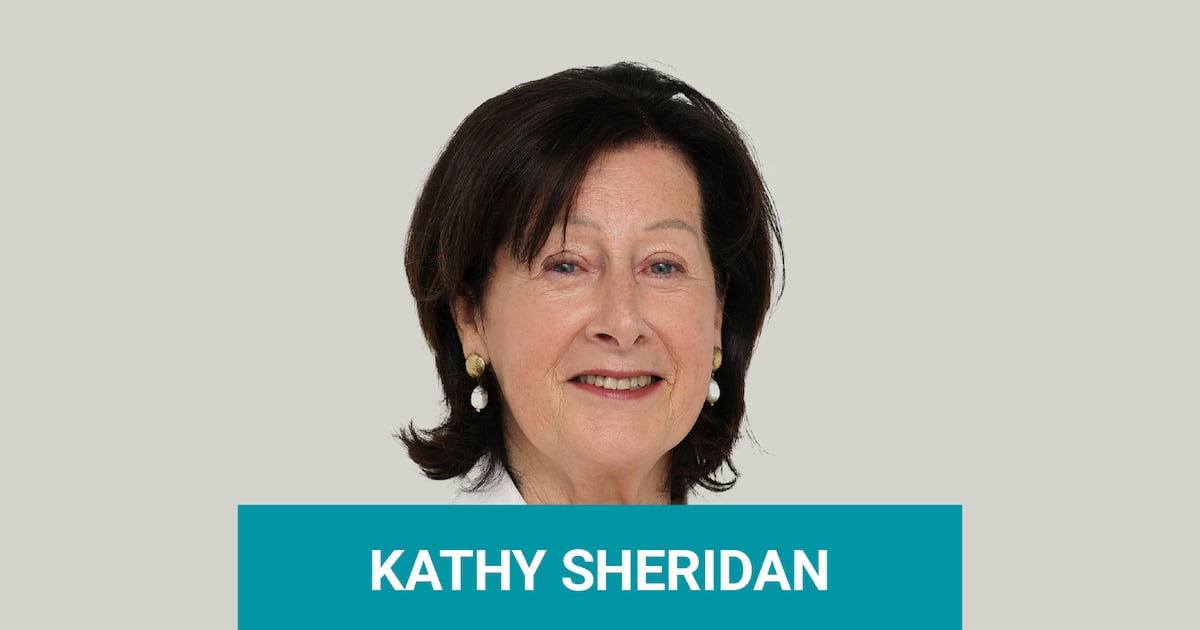
Kathy Sheridan: You don’t boycott an Ed Sheeran tour just to look cool with a Peace sign. Boycotts hurt
Full Article
Original Source
Read the full article at Irishtimes →KhanList aggregates and links to publicly available news content. We do not host full articles from third-party sources. Always verify important information with original sources.