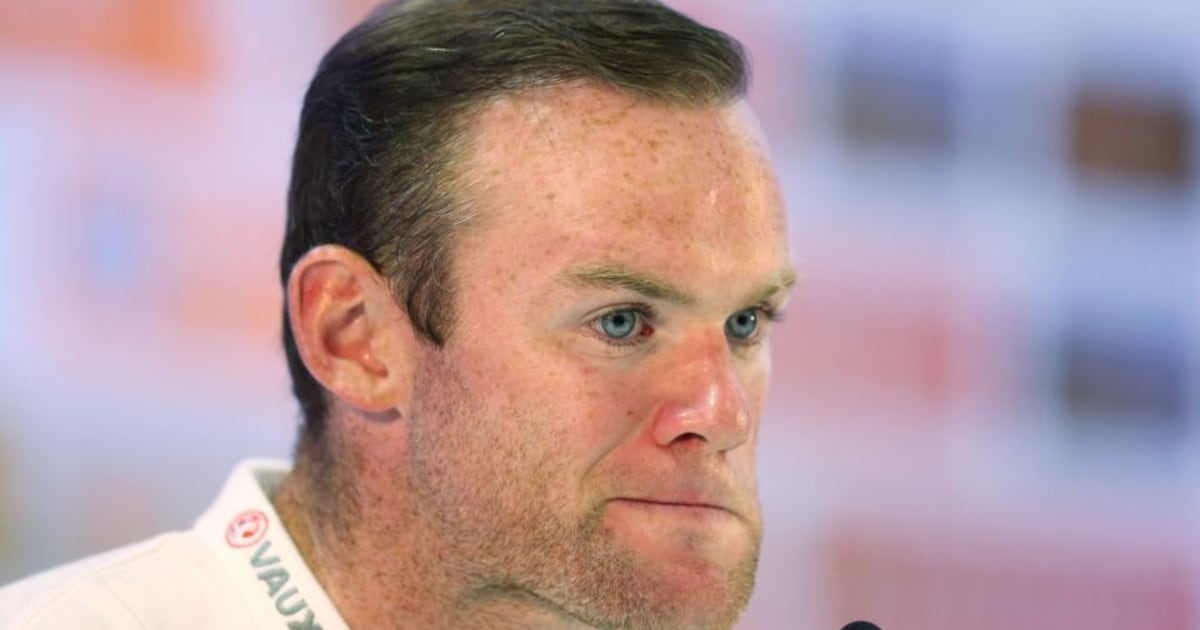
We were still debating whether Justin Bieber’s boy-with-guitar dirge was done for a bet during the half-time World Cup extravaganza when BBC pundit Wayne Rooney was asked which bit was his favourite. It was all “crap”, he said. Greeted with distinct awkwardness in the studio, the verdict swiftly got top-story treatment across outlets from the Sun, the Guardian, the Mirror, the Daily Mail, the London Independent and online on AOL.com and People.com. Who’d have thought an ex-footballer’s entertainment critique could be so gripping? The clue was in the “crap” word – and that it was uttered on the BBC. It starred in every headline. The responses marvelled at the “astounding hot take”, the “brutal verdict”, the “swear word [said] live on air”. A Guardian reviewer called it “candour” of a kind that might boost the BBC in its head-to-head with ITV. Justin Bieber performs his guitar-boy dirge during the Fifa World Cup final half-time show. Photograph: Buda Mendes/Getty Images So “crap” still carries a certain edginess, apparently. Rooney was eight during the 1992 general election when then-taoiseach Albert Reynolds dismissed an opposition claim as “crap, pure crap”. His wily press secretary Seán Duignan explained it away as a slip of the tongue. READ MOREThat the word remains headline-worthy 34 years on tells us something about lingering attitudes to public manners. The point, as always, is context. To some viewers clearly straining against BBC public standards, Rooney’s “crap” about the Superbowl-style show made him the new George Orwell. To others he was a hired pundit sounding ridiculously aggressive about Miss Piggy, Shakira and maestro Gustavo Dudamel in a fun segment focused at all age groups – including many bored silly by the terrible football. The “crap” word told us nothing about Rooney’s taste or the segment. If a quality newspaper’s idea of a ratings winner is a panellist barking the “crap” word, it bodes ill for intelligent commentary and thoughtful audiences in any sphere. That’s the problem with terms such as crap and synonyms such as bullshit and b****cks. They tell us nothing about the user’s knowledge struggle but more about their notion of relatability. Jack Chambers, the 35-year-old Minister for Public Expenditure, Infrastructure, Public Service Reform and Digitalisation, drops the “crap” word liberally into speeches and interviews about the planning process: “We need to cut the crap”; “time to cut the crap”; “we need to cut all the crap”. It’s no slip of the tongue. He claims not to be focused on communications – unlike, say, Simon Harris – but he has clearly noticed that his use of the word “crap” tends to land high up in reports of his utterances. Why would a smart, articulate senior Minister use it otherwise? Because, goes the predictable rejoinder, it’s honest, it’s what people think, it’s how real people like builders and developers sound. When Vince Cable campaigned as leader of the Liberal Democrats in 2019, he used the slogan ‘B****cks to Brexit’ – to little avail. Photograph: Dan Kitwood/Getty Images When the British Liberal Democrats adopted the slogan “B****cks to Brexit” for the 2019 European elections, its then leader, Vince Cable, explained it as “an attempt to put in a more pungent way what a lot of people think, actually ... It is clear, it is honest. Some people will be offended, some people are easily offended. Other people will think, ‘Well, actually, these guys are absolutely straightforward about what they believe.’” In short, Cable’s party had harnessed an aggressively male term knowing it would certainly be offensive to some. Yes, the term was widely used (hardly an accolade for any society) and everyone knew what it meant. But who was it designed to impress? Certainly not British voters in 2019. The party’s anticipated gains crumbled and its new leader lost her seat. The fatal mistake was to patronise the public. When, after a recent fractious exchange in the Dáil chamber, Mary Lou McDonald declared in a loud stage whisper that the Taoiseach “really is a tosser” – so loud that it forms part of the official record – it was widely reported. Not because this is a nation of shrinking violets who had never heard the word or were too prudish to use it (although they ought to think about its origins), but because it’s not how most people want our elected parliamentarians to conduct our business. Both McDonald and Chambers are in the trade long enough to know that Irish voters are more sophisticated than that. They know this is not about pearl-clutching or tone-policing. It’s about the coarsening of political culture.Day after day in the US we see what happens to political and civic discourse when leaders lose any sense of decorum or never possessed it. The rot starts in tiny ways. Old taboos against public cursing and crude language fall away. A leader calls a poor country a “shithole”. A political opponent is called a “loser” or a “traitor”. A few years later a president “king” is posting AI-generated videos of himself showering protesters in excrement from a fighter jet. [ ‘Not very British’: Rachel Reeves tells foul-mouthed Reform UK heckler good manners matterOpens in new window ]Last May, when a video circulated of a foul-mouthed van driver draped in St George flags screaming abuse at then-chancellor Rachel Reeves, Nigel Farage’s response was that he’d like to buy that man a pint. Reeves sighed that one of the things she loves about her country is good manners. To the people who like their language pungent, she probably sounded weak and schoolmarmy. But a few months on, as Farage plaintively demands more security for himself and his party in the wake of Ann Widdecombe’s murder, good manners are beginning to sound like an excellent place to start.
Kathy Sheridan: Wayne Rooney and Jack Chambers have one thing in common. It’s crap
Full Article
Original Source
Read the full article at Irishtimes →KhanList aggregates and links to publicly available news content. We do not host full articles from third-party sources. Always verify important information with original sources.