JetBlue has announced the enshittification of extra legroom and their new first class, by introducing nerfed ‘basic’ versions of both, extending basic economy into the forward cabins. Here they’re drawing on Delta and United who are making their own premium products worse thinking that passengers will spend more to preserve what used to be included. However, the folks at JetBlue aren’t doing it right. To understand why, we need to look at why basic economy began in the first place, what it accomplished, and what’s different about this new effort. Airlines Have Succeeded At ‘Personalized Pricing’ For Nearly 50 Years Personalized pricing is all the rage to fear in the age of AI, but airlines have been charging different prices to every passenger on a plane, based on their perceived willingness to pay, almost since the dawn on 1978’s deregulation. The modern tool for this has been basic economy, which started out as a way to compete with Spirit Airlines (and Frontier Airlines). While it was a Delta innovation, it wasn’t really a new idea. Coming out of deregulation, legacy airlines had high costs. They charged expensive fares. And a whole bunch of upstarts without their high costs were undercutting them. The innovation, how the big airlines fought back, was to charge super low fares – lower even than these new airlines. One-third of their seats went out empty on average Any revenue they got went straight to the bottom line because an extra passenger cost them almost nothing And this was great as long as they could charge cheap fares to these incremental passengers, without offering the same discounted tickets to their existing customers who were willing to pay more. The way airlines segmented customers back then was advance purchase requirements and Saturday night stays. Business travelers on the corporate dime weren’t buying tickets three weeks in advance. They needed the ability to change tickets. And those travelers were returning home for the weekend. They paid top dollar. Meanwhile, leisure travelers would fly if the fares were low enough but not the high prices companies would absorb. Legacy airlines learned that they could have both a premium fare airline and a low fare airline and they’d actually be the same airline. And eventually they did this with long haul business class too – usually with 50-day advance purchase fares as a way to sell seats they didn’t expect to get taken at full price. pembed]https://youtu.be/09pY9g14qnw?si=zItN28bNuS3u-crV[/embed] Low Cost Carriers Blew Up The Model Legacy airline pricing power disappeared when discounters like AirTran started charging low fares for one-way ticket (no roundtrip required, so no Saturday stays needed) and even at the last minute. Spirit Airlines, Frontier and others followed that model. The big airlines lost their pricing power. They had to match the low fares or they’d lose too many of their passengers, and high fare customers got a great deal because they started paying lower prices. Enter Basic Economy Basic economy let airlines: charge low prices but the restrictions made the experience slightly better than Spirit and Frontier, but not that much better so people – like business travelers – who cared about the experience wouldn’t buy them Legacy carriers got their pricing power back! They could charge high fares to people willing to pay more, and they could discount – without leakage – to fill seats. Basic Doesn’t Work As Well For Premium Cabins This was a good idea for coach – make the product worse on the cheapest fares, so that it really is different products to different customers. So United and Delta decided that this must be a good idea for other products, too. They want to charge full price to people willing to pay more But sometimes they have extra seats. Right now they monetize those by selling upgrades, sometimes for as little as $26 If they could separate the product people who want the better version pay more, and more price-sensitive customers who still want the premium experience pay the ‘basic’ version’s price. They’re not really competing with Spirit anymore (Spirit is gone!). And the problem is that they now need to make domestic first class and business class bad enough to matter, and with a big enough price difference to matter. That’s actually hard. In fact, so far we really haven’t seen it. JetBlue’s Basic Extra Legroom And First Class Are Bad Products This week, JetBlue followed United and Delta, announcing ‘basic’ for more than economy. ‘Basic’ EvenMore (extra legroom) ‘Basic’ BlueFirst domestic first class which will debut later this year They aren’t going to do ‘basic business’ (like United and Delta) at this point. Basic extra legroom and domestic first class won’t offer advance seat assignments, will have change fees, and will earn fewer TrueBlue points. But here’s the thing: There’s no reason for most people to buy up from standard coach to basic extra legroom when you’re going to wind up with a middle seat. And there’s no reason to spend more to go from basic to regular domestic first class, because the seats up front aren’t really different enough to matter. If you were considering spending more money for extra legroom, basic now means you probably spend less and stick with an aisle seat in coach. And if you were considering domestic first class, many passengers will just choose the cheaper version – so what if you get stuck in a window seat? It’s not really worth spending more money up front to avoid spending money if your plans change later. And JetBlue TrueBlue points just aren’t worth that much to begin with, that you’ll want to buy a more expensive ticket for. In other words, the products aren’t simultaneously differentiated enough and significant enough values to appeal to different customer segments, get passengers to reveal their preference and spend the most money they’re willing to on the product. What worked for basic economy doesn’t work as well here. In fact, Air Canada faces the exact same problem with their basic premium faces announced today. Air Canada is imposing change fees and fees for advance seat assignments on their new premium economy basic and basic business fares. Business basic won’t permit access to their Signature Suite lounges in Toronto and Vancouver (but will still offer Maple Leaf Lounge access). This really isn’t enough to warrant a buy up to the higher fare for most, for instance assuming the price difference between business and basic business is enough to matter, just pay the seat assignment fee, and note that elite status and credit card benefits still apply (except that eUpgrades can’t be used on basic premium economy). They’re going to declare these efforts a success. They’ll even convince themselves of it to some degree. There’s a Russian word vranyo (враньё) – a lie the speaker knows is false, the audience knows is false, yet everyone maintains the pretense. Repeating it becomes ritualistic. Topics on this page
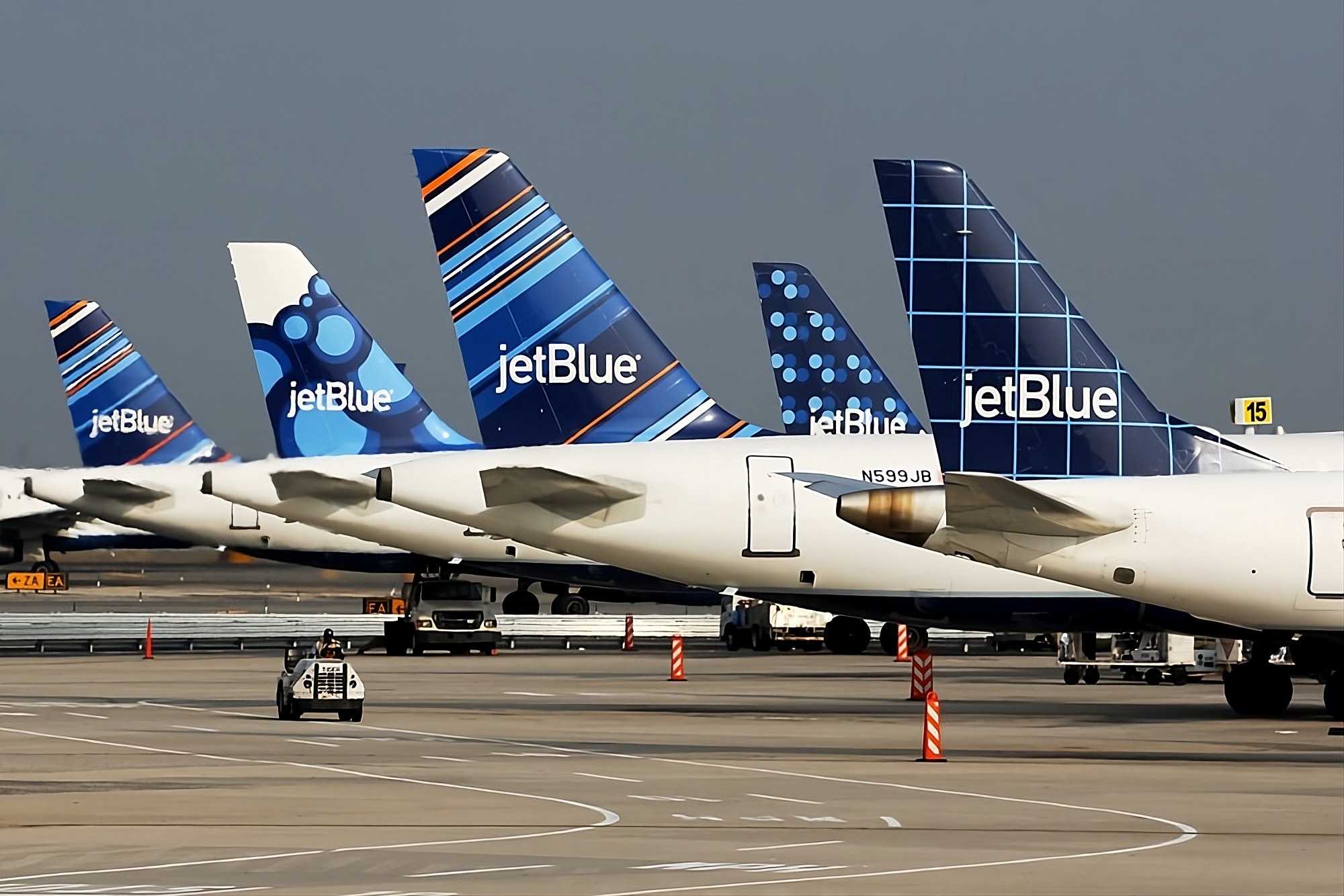
JetBlue Is Bringing Basic Economy To Extra Legroom And First Class, But Gets The Strategy Wrong
Full Article
Original Source
Read the full article at Viewfromthewing →KhanList aggregates and links to publicly available news content. We do not host full articles from third-party sources. Always verify important information with original sources.