
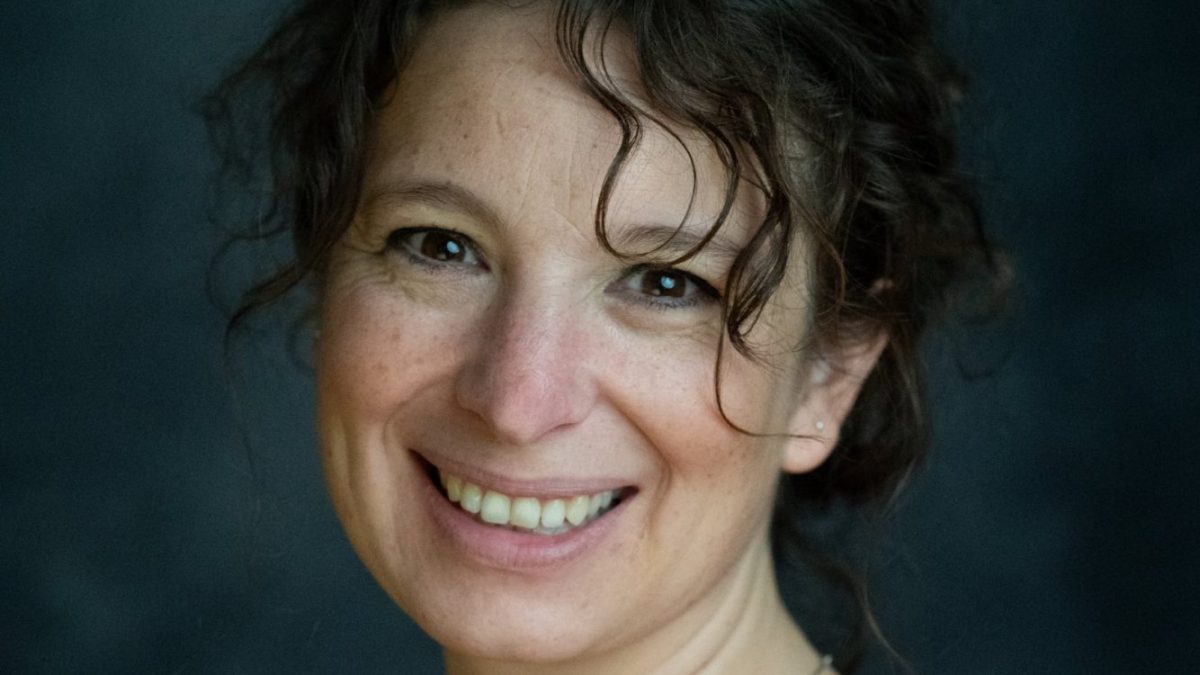
New research shows women with autoimmune conditions are 74 per cent more likely than men to be told their symptoms are psychological or psychosomatic. The study by the University of Cambridge and University of East Anglia found they face much longer waits for diagnosis and treatment as a result. Almost a quarter of the women surveyed in the recent research had an autoimmune thyroid disease. Dr Georgina Conway, 49, is a GP and founder of the Thyroid Clinic, who herself has the autoimmune condition Hashimoto’s disease, the main cause of an underactive thyroid. Despite being a GP herself, she faced a long uphill battle to access diagnosis and treatment. In her clinic, she says she sees women every day who have been dismissed and written off while seeking answers. I was always going to end up with Hashimoto’s. My gran had it, my mum has it, and I was waiting for it to happen. Shorts In the NHS, if you have a family history your GP may test your thyroid-stimulating hormone (TSH) levels every year. High levels can be a sign of trouble with the thyroid, but it’s only one piece of the puzzle. Every year, my tests would say my TSH levels were fine. But after my third child, I hit a point where I was simply not okay. It wasn’t just tiredness: it was a bone deep fatigue – I could not move another inch. My periods went crazy, I had terrible low mood, I gained weight and my skin and hair were just awful. I was 36, I had three kids under five, I was a doctor, and my husband was retraining to be a teacher, so nobody can deny that I had a lot of stress. But I’d always been relatively superhuman and able to cope with these pressures. For me to not cope meant there was something more going on. I was really struggling, but because my TSH levels weren’t considered high enough to warrant treatment, I wasn’t getting NHS help. I was told I was stressed and had three children, so it was no wonder I was tired. At the time, my TSH was around six, which was above the normal reference range, but below the level of 10 at which treatment was recommended. We now recognise that treatment can also be considered at lower levels in people with persistent symptoms. I was seeing an acupuncturist to try and get some relief and she persuaded me to do some private blood testing. Hashimoto’s disease is an autoimmune condition in which the immune system mistakenly targets the thyroid gland. Two types of antibodies are commonly associated with Hashimoto’s: thyroid peroxidase antibodies (TPOAb) and thyroglobulin antibodies (TgAb). Not everyone with Hashimoto’s has raised levels of both, and some people have neither. So I did private blood tests and lo and behold, my levels of both antibodies were sky high, proving that I had Hashimoto’s disease. I then did an awful lot of research for myself and went into the GP armed with stacks of it. I said “look, I have Hashimoto’s, and research shows that some treatment can help. So can you start me on levothyroxine”. Around nine to 12 months later, they did give me some treatment for it, but I had to fight for it. And that’s me as a peer – a very educated doctor. My experience is not unique. Our clinic was set up in 2020 to serve people, primarily women, who are not getting the help they need. Hashimoto’s affects women versus men at 10 to one, and those women are either being told they’re normal, or nobody has tested their antibodies, or they’re told to come back in a year. I see so many women who are struggling massively but feel they have been dismissed and told that they are, for want of a better word, mental. Pretty much every woman we see has been offered antidepressants. Part of the problem is that the symptoms of autoimmune thyroid conditions like Hashimoto’s are so vague. Increased weight: it’s very easy to say you’re eating too much or not exercising enough. Low mood: you’re stressed, so what do you expect? Hair loss: that’s stress again. Dry skin: are you actually drinking enough water? There are so many potential reasons for all these symptoms that include joint pains, aches, carpal tunnel, gut issues, constipation. The thyroid hormone affects every single cell of the body and so it’s very easy to attribute symptoms to something else. But the other part of the problem is that the NHS is designed to keep the masses safe, but it does not have the resources to offer individualised attention some need. Doctors work within specific guidelines, and while there is room for individual clinical judgement, deviating from those guidelines requires clear justification. They don’t routinely test for the antibodies associated with Hashimoto’s at the outset, even though it is a much better diagnostic than TSH levels. That’s partly because high levels of the TgAb antibodies can be a cancer marker, and they’d end up with lots of women down a thyroid cancer route who don’t actually have it. The NHS does not always have time to look at the full picture. The reality is that hypothyroidism is very unlikely to be fatal unless it becomes extremely severe. GPs are trying to manage enormous workloads in 10-minute appointments and the system is largely geared towards fighting fires rather than preventing them in the first place. Unfortunately, that means women who are struggling with persistent symptoms, but aren’t considered seriously unwell, can all too easily fall through the cracks. Thyroid conditions stop women’s lives in all respects. They are tired, they are fat, they are spotty, their hair is falling out, and they have no energy. Fertility problems are very common, and we often have women who cannot get pregnant until after they start treatment. I see women who have given up work, have struggled to look after their kids, and have entirely shaped their lives around their disease. And these are very empowered, intelligent women who are not getting the help they need. With appropriate diagnosis and treatment, their lives are a lot better. Women we treat are delighted but some are desperately sad, saying they’ve lost the last few decades of their life. Ironically, the treatment is very accessible and minimally invasive: it’s a bit like HRT. The only downside is that it needs to be monitored. Lifestyle measures can certainly help, although they cannot replace thyroid hormone treatment if you are hypothyroid. Nutrition, sleep and physical activity are important, as are checking for nutritional deficiencies like iron, vitamin B12 and vitamin D, which can contribute to fatigue and other symptoms. But I think it’s important that we don’t make women feel their symptoms are the result of poor lifestyle choices. You cannot exercise or eat your way out of an underactive thyroid. If you are struggling and think you have an autoimmune condition, particularly Hashimoto’s, it’s important to know that the GP is not trying to be deliberately obtrusive, and they’ve got to work within the guidelines that they have. Rather than being combative and frustrated, you can work together. Only you know what it’s like to live in your body day-to-day so make a timeline of your symptoms, gather information, evidence and research and do some private bloods if you can afford it. If you are at the point of testing, ask specifically to test your blood not just for TSH levels but for T3 and T4 and for thyroid antibodies. This can be more achievable because it’s specific. This is not ideal, but having someone accompany you to an appointment can also be incredibly helpful. There is evidence that women’s symptoms are sometimes taken less seriously, and some women find that bringing a male partner or relative helps them feel heard. It was my dad who pushed me to get my bloods done. Having someone who can corroborate what you’re experiencing can make a real difference, although of course we should be taken seriously on our own.
I’m a GP, but even I had to pay for private tests to get my thyroid diagnosis
Full Article
Original Source
Read the full article at Inews →KhanList aggregates and links to publicly available news content. We do not host full articles from third-party sources. Always verify important information with original sources.