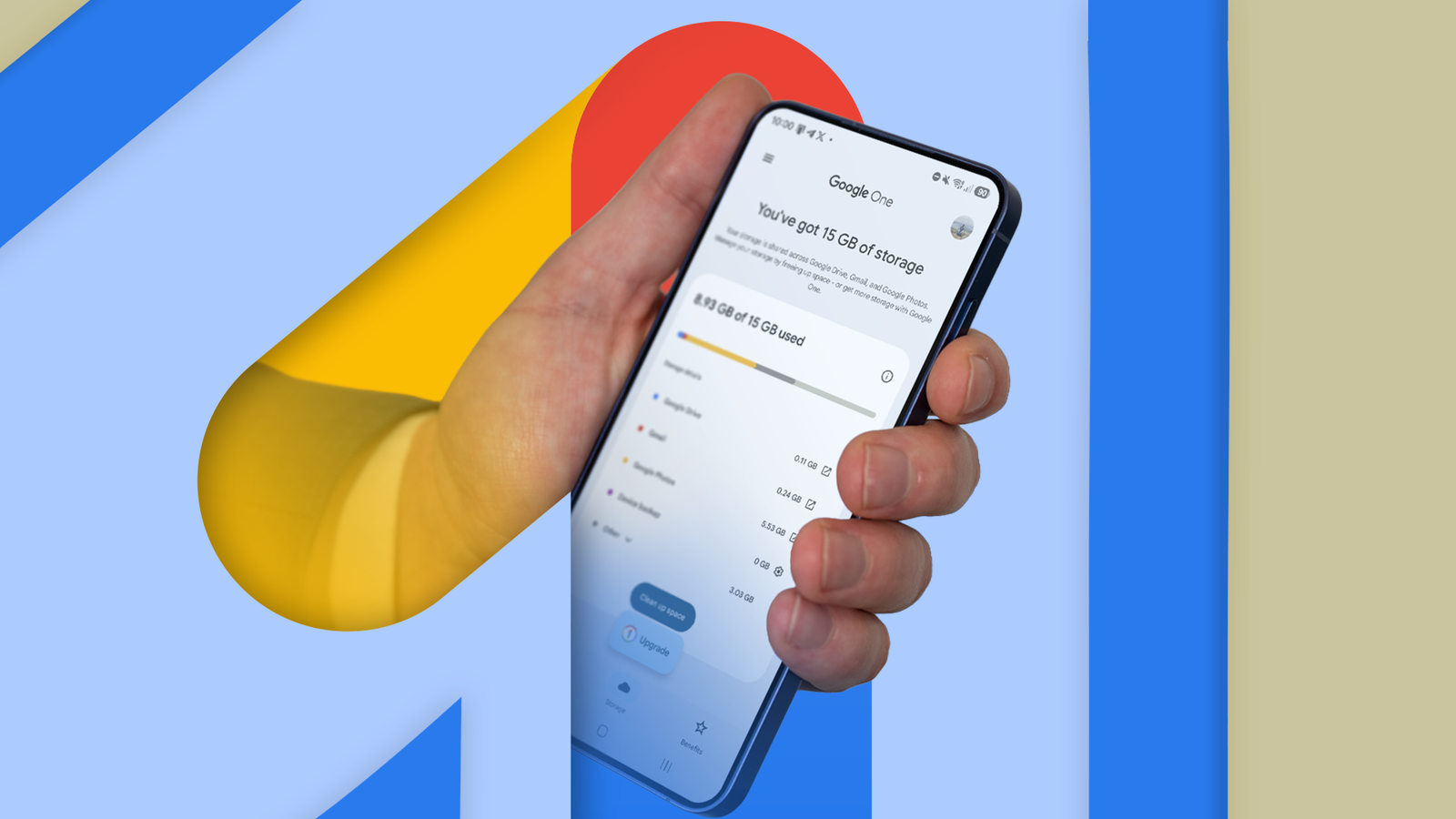
Published Jul 26, 2026, 8:15 AM EDT Jon Gilbert is a Features Writer for Android Police. I've covered Android since 2021, focusing on writing features and guides about Android apps and features that directly affect users. I've attended CES to uncover powerful hardware that isn't dominated by Google like the Mudita Kompakt. I trawl through Android news daily, hunting for stories that have real-world consequences. I hold a BA in History & Classics. By the end of August 2026, all Android backups will count towards your Google account's storage quota. If your account's storage is full, your Android phone will stop backing up until space is freed. The good news is that this extra data should use only around 30MB to 60MB of additional storage. I ensured that this wouldn't ever be a problem by changing my Google account's backup settings to save gigabytes of space. Understanding Android's backup settings is key to saving space Know what information is and is not critical There's a good chance that, like me, you set your Android phone's backup settings during the setup process and never touched them again. Android's backup settings are found in the Settings app: Open the Settings app. Scroll down and tap Accounts and backup. Tap Google backup. Here, data is split into three categories: Photos and videos, Documents, and Other device data. The first two categories are self-explanatory, but Other device data contains critical information that I certainly want backed up. Here is data like SMS and MMS messages, call history, device settings, and app data. Without this data, restoring a backup will delete your texts, all data saved in apps, and your settings. However, careful adjustment can save hundreds of megabytes of space. Photos and videos are backed up through Google Photos. Small adjustments can also save megabytes or gigabytes of data. Changing what folders are backed up is the best way to save space before anything is saved to your Google account. You probably don't need to back up all these files. Not all data needs to be backed up First, let's talk about mandatory data. This is data that I absolutely do not want to lose under any circumstances. I always back up my documents. I tend not to store documents on my phone, as Google Drive is a more versatile space to manage them in. The amount of space they take up is inconsequential. Backing up documents in this manner is not the same as storing documents in Drive. These documents cannot be accessed through Drive; they can only be restored to your device. Store files in Drive to access and make changes anywhere. However, I make changes to the settings in the Other device data category, specifically app data. I don't want to lose messages, call history, and device settings. But stopping certain apps from backing up data to my Google account saved me roughly 200MB. Some apps were backing up 30MB of data when all they stored were my payment details. Not much by themselves, but these megabytes add up quickly. However, the real storage savings are made by changing the backup settings for photos and videos. Here's how I saved gigabytes without losing critical data Stop Google from backing up duplicated data I use WhatsApp for most messages, which means a lot of images and videos. WhatsApp downloads a copy of each opened image or video, which can quickly take up a lot of space. However, WhatsApp also backs up my chats and media to my Google account. So, if my Google Photos backup settings are set to back up all device folders, and WhatsApp is also backing up chats to the cloud, then I am storing each image and video twice in the cloud. I purge my phone monthly of downloaded images, and a quick check revealed I had stored over 1GB of images and videos on my phone. So if I didn't clean out my phone for a year, and had device backups enabled, WhatsApp would use up to 24GB of storage when it only needs around 8GB to 12GB (yes, I know, I send and receive a lot of videos). So, by deselecting all WhatsApp folders from my Google Photos backups, I save around 8GB to 12GB of space a year. Still, WhatsApp isn't the only culprit. Any app that stores images on your phone could duplicate media in the same way. A careful audit of your Google Photos device folder backup settings could save you gigabytes of storage, like me. Changing backup settings and clearing out storage means I never run out of space Google gave me a notable Google One storage boost when I picked up my Google Pixel 10 Pro, which has encouraged me to be a lot less careful about what I back up. But even when I downgrade when my free trial expires, I'm not worried. Adjusting these storage settings and following Google Photos' suggestions to clear out unnecessary files has saved me gigabytes of storage in my Google account. So don't panic that Google is forcing you to use up to 60MB more space; you can easily save more without losing data.
I saved gigabytes of Google storage by fixing a mistake I didn't know I was making
Full Article
Original Source
Read the full article at Androidpolice →KhanList aggregates and links to publicly available news content. We do not host full articles from third-party sources. Always verify important information with original sources.