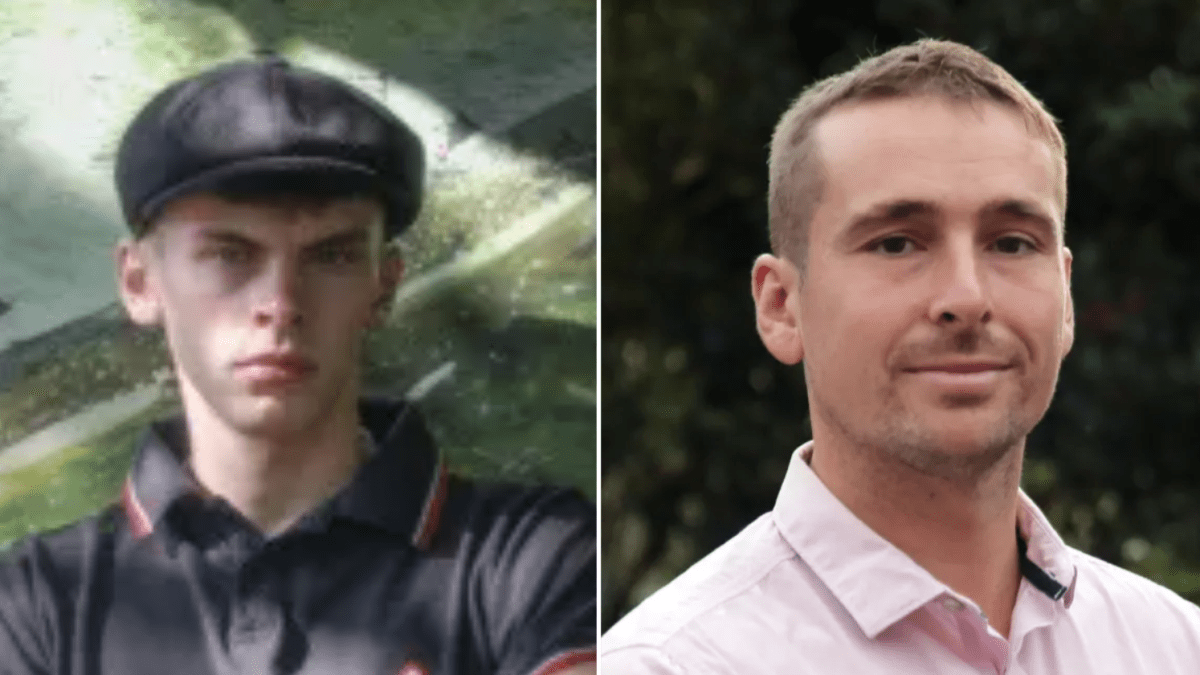
Millions use Vinted to clear out wardrobes, earn extra cash and hunt for bargains, whilst for others it has become much more than that – a side hustle, a family business or even their full-time income. But some of those who use Vinted Pro – for professional sellers – say they have been wrongly suspended or permanently banned from the platform, leaving them unable to sell, with money frozen in Vinted wallets and little opportunity to challenge the decision. Campaign website Sad Vinted Faces, which is calling for better customer service, fairer account bans, and human support from Vinted, said it has heard from many who had this issue. Shorts Catherine Warrilow, who started the group, said hundreds have also been unable to withdraw money held in their Vinted wallets – where earnings are stored – while others described being accused of selling counterfeit goods despite providing evidence they were genuine. Some buyers, meanwhile, said they had struggled to recover money after receiving the wrong items or goods they believed were counterfeit. Many also complain of spending weeks appealing decisions through what they believe are AI-generated responses before ever reaching a human. Two sellers told The i Paper of their experience. ‘We lost £10,000 in revenue – everything we’d built was suddenly at risk’ Elisha Wright, 19, from Cheltenham, runs Wright Attire full-time with his dad When Elisha Wright, from Cheltenham, downloaded Vinted as a 16-year-old, he had no plans to become a full-time reseller. Instead, the now 19-year-old was trying to raise money to launch a horse racing clothing brand while helping his family through a difficult financial period. He said: “To fund that business, and to help support my family through a difficult time financially, I decided to sell almost everything I owned. I sold all of my clothes apart from two outfits and used that money to buy my first pieces of stock.” Within six weeks he had generated almost £950 in sales. Encouraged by the early demand, Elisha and his dad reinvested every penny they could earn back into the horse race clothing business. Specialising in second-hand Ralph Lauren polo shirts, their brand Wright Attire grew from a handful of daily sales into what became the family’s full-time livelihood. They get their goods from vintage channels, private sellers, or secondary markets. At its peak, the business regularly sold more than 30 items a day and had amassed more than 3,300 five-star reviews on Vinted. But around a year after launching the business, Vinted blocked the account for 30 days after alleging some products could be counterfeit. Elisha says some of the items questioned had originally been bought through Vinted itself, while another seller was still offering similar stock without restriction. Months later came another suspension. This time, Vinted cited alleged breaches relating to “handmade items, made-to-order products, rental services, cosmetics and dropshipping”. After repeated appeals, the company overturned both restrictions and Vinted acknowledged the suspensions had been applied in error. But just three months later, another restriction arrived over what Elisha says appeared to be the same type of alleged infringement. This time, the family spent almost three weeks waiting for a meaningful response while sales on what had become their main platform almost disappeared. Elisha estimates the restrictions have cost the business around £10,000 in lost revenue. But he says the damage went beyond the immediate loss of sales. He said: “During the periods when our account was restricted, our business effectively came to a standstill on what had become our main selling platform. “We received messages from customers asking why we were no longer responding or why new stock had stopped appearing. “Many people had followed our store specifically because they regularly bought from us, so not being able to trade normally inevitably affected those relationships.” Now, they don’t feel confident listing products on Vinted because they’re “constantly” concerned that their account could be restricted again, or even permanently banned. They still use Vinted, but more so other apps like Depop and eBay. The hardest part, he said, was watching their sales drop from around £300 a day to around £25 a day. He wants to see a fairer moderation process, where genuine second-hand sellers have the opportunity to have their cases properly reviewed by a human when there is any double. ‘Vinted admitted it made a mistake – then permanently banned me over the same item’ Clothing reseller Andrew Pidgeon, 40, has been banned from the platform permanently Andrew Pidgeon, a 40-year-old reseller from Nottingham, spent years building a clothing business alongside his day job, amassing more than 2,500 five-star reviews and says around 80 per cent of his sales came through Vinted. The rest is through other apps like Depop and eBay. Then, in April this year, the platform accused him of selling a counterfeit Carhartt beanie hat. He immediately appealed, submitting close-up photographs of labels, stitching, packaging and supplier invoices. He too gets his products from other sellers. Nine days later, Vinted reinstated the account, apologising and admitting it had “made a mistake”. Andrew assumed the matter had been resolved. But a month later, after listing the same style of hat in a different colour, he was permanently banned. He said: “Vinted seem to use a three-tier warning process – seven days, 30 days, permanent ban, and because I’d already had a warning, albeit Vinted reneging on their decision, the 30 days ban obviously wasn’t wiped from the slate, so I received a permanent ban. “I again appealed, with the same evidence including the message from Vinted admitting they’d made a mistake the first time. “I assumed that someone else at Vinted or an AI bot had incorrectly flagged the item as counterfeit yet again and I’d get my account back, but this time Vinted refused to change their decision.” Andrew, who uses the revenue he makes on the platform to supplement his main income, now sees a “big hole” in his bank account. “I suffered weeks of anxiety of how I was going to pay my bills and other personal financial commitments and worry that this was the end of my side hustle.” Desperate to get his account back, Andrew said he contacted Vinted’s CEO, Adam Jay, who promised to review the situation but never got back to him. “I really don’t want to complain about Vinted as I loved using the app. I’d just like to be able to use it again without the anxiety or risk of being banned.” What is the difference between Vinted and Vinted Pro? Vinted is an online marketplace where individuals can buy and sell second-hand clothes, accessories and household items. Standard users typically sell unwanted personal belongings, with Vinted taking no selling fee from the seller (buyers pay a Buyer Protection fee). Vinted Pro is designed for registered sole traders and businesses selling professionally. Sellers must verify their business details and comply with additional legal obligations Vinted does not charge a subscription fee for Pro accounts in the UK. Instead, sellers use the same platform and listing tools as standard users but trade as verified businesses. A Vinted spokesperson said: “Millions of people across the UK use Vinted to buy and sell second-hand items, and the overwhelming majority have a positive experience. “Where members believe a decision has been made in error, they can appeal and their case will be reviewed by our Member Support team.”
I built a business on Vinted – then lost £10,000 overnight
Full Article
Original Source
Read the full article at Inews →KhanList aggregates and links to publicly available news content. We do not host full articles from third-party sources. Always verify important information with original sources.