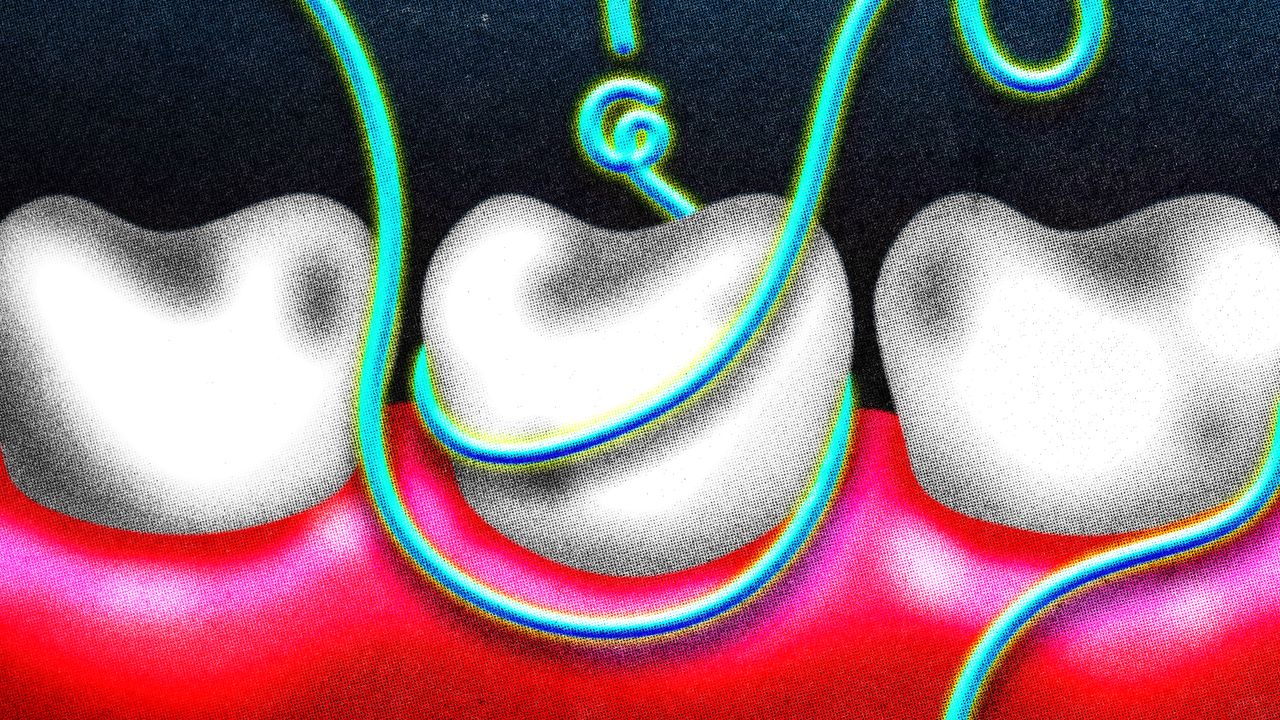
Flossing belongs to the same category as stretching after a workout and washing your water bottle: Everyone agrees it’s a good idea. Most of us are just way less consistent than we should be. But what if I told you that the simple act of dragging a bit of string between your teeth has one of the highest ROIs on your entire health routine? (Yes, even more than your cold plunge.)Preventing cavities, keeping your gums healthy, and whitening your teeth is only part of the story. Flossing may also support your heart, your brain, and just about every other part of your body that benefits from keeping chronic inflammation in check.Here’s why experts say flossing is tragically underrated—and how to finally do it right.How often should I floss?The short answer: once a day—ideally at night to clear out the gunk that’s accumulated since breakfast. “Daily flossing is the gold standard because it keeps bacterial levels consistently lower and gives the gums an opportunity to heal,” says Arthur Glosman, DDS, a cosmetic and restorative dentist in Beverly Hills, California. A daily habit gives you the best shot at preventing plaque buildup and keeping inflammation under control.However, perfection shouldn’t be the enemy of progress. “If someone tells me they currently never floss, I'm thrilled if they begin flossing three times a week,” he says.Why dentists care so much about flossingYour toothbrush isn’t pulling as much weight as you think it is. According to Glosman, it cleans only about 60% of the tooth’s surface. And flossing isn’t just about removing the remnants of your turkey sandwich from lunch. The spaces between your teeth are prime real estate for bacteria to thrive. Your toothbrush can’t get there—but floss can.“If those areas aren't cleaned, bacteria organize into plaque,” says Glosman. “Left undisturbed, that plaque matures, hardens into tartar, and triggers inflammation in the gums.” The result? Cavities and bad breath, to start. But in more severe cases, gum disease and infection could give way to bone or tooth loss, says Jason M. Auerbach, DDS, an oral and maxillofacial surgeon and the founder of Riverside Oral Surgery in New Jersey.Why flossing benefits more than just your mouthResearchers used to think gum disease stayed in the mouth, but we now know that’s far from the full picture. Your mouth is one of the few places where you can actually watch chronic inflammation unfold in real time. As Glosman explains, inflammation can cause the gums to bleed, creating an entry point into the bloodstream. Eating and brushing can allow oral bacteria and inflammatory molecules to enter circulation. Over time, that low-grade inflammation may ripple far beyond your gums.Researchers have linked gum disease—which, by the way, affects nearly half of U.S. adults—with everything from cardiovascular disease and type 2 diabetes to cognitive decline. Some studies have even found that people who floss consistently may have lower risks of stroke, dementia, and Alzheimer’s disease. One 2021 study even shows evidence that flossing can play a role in making diabetes easier to manage.That said, correlation doesn’t mean causation. “We cannot say that failing to floss causes these diseases,” says Auerbach. “But we do know that chronic inflammation is something we should minimize whenever possible—and good oral hygiene, including flossing, is one meaningful way to do that.”Flossing pays dividends not just for your oral health but also your long-term well-being. “I no longer think of flossing as just preventing gum disease,” says Glosman. “It reduces a chronic inflammatory burden that your entire body has to carry.”How to get the most out of flossingIf your floss only comes out when you’ve got a dentist appointment on the books, it’s time to rethink your routine. Here’s how to do it right.Choose a floss you’ll actually useGood old string floss remains the gold standard. “It gives you the most control and allows you to wrap the floss around each tooth to clean beneath the gumline,” says Glosman. But if floss picks make it easier to keep up your habit, they’re fair game, too. As for water flossers? He says they’re a great add-on, but not a replacement for string floss as water picks aren’t as effective at manually scraping away sticky plaque.Learn how to floss properlyStop pulling the string back and forth along your gums like a chainsaw. Instead, Glosman advises using a gentle touch and curving it around one tooth into a C-shape. Slide it slightly beneath the gumline, swiping several times before repeating the process on the next tooth. Take your time, but don't overthink it. The whole thing should take about two minutes, just like brushing your teeth.Don’t stop if your gums bleedIf your gums bleed when you floss, it often signals existing inflammation. But instead of laying off, stick with it. (If anything, bleeding usually means you should’ve started flossing sooner.) Consistent flossing will usually improve bleeding within a week or two, says Auerbach. If it doesn’t improve after a couple of weeks or gets worse, it’s time to see your dentist—at least they’ll be happy you gave flossing a shot.
How Often Should I Floss My Teeth?
Full Article
Original Source
Read the full article at Gq →KhanList aggregates and links to publicly available news content. We do not host full articles from third-party sources. Always verify important information with original sources.