
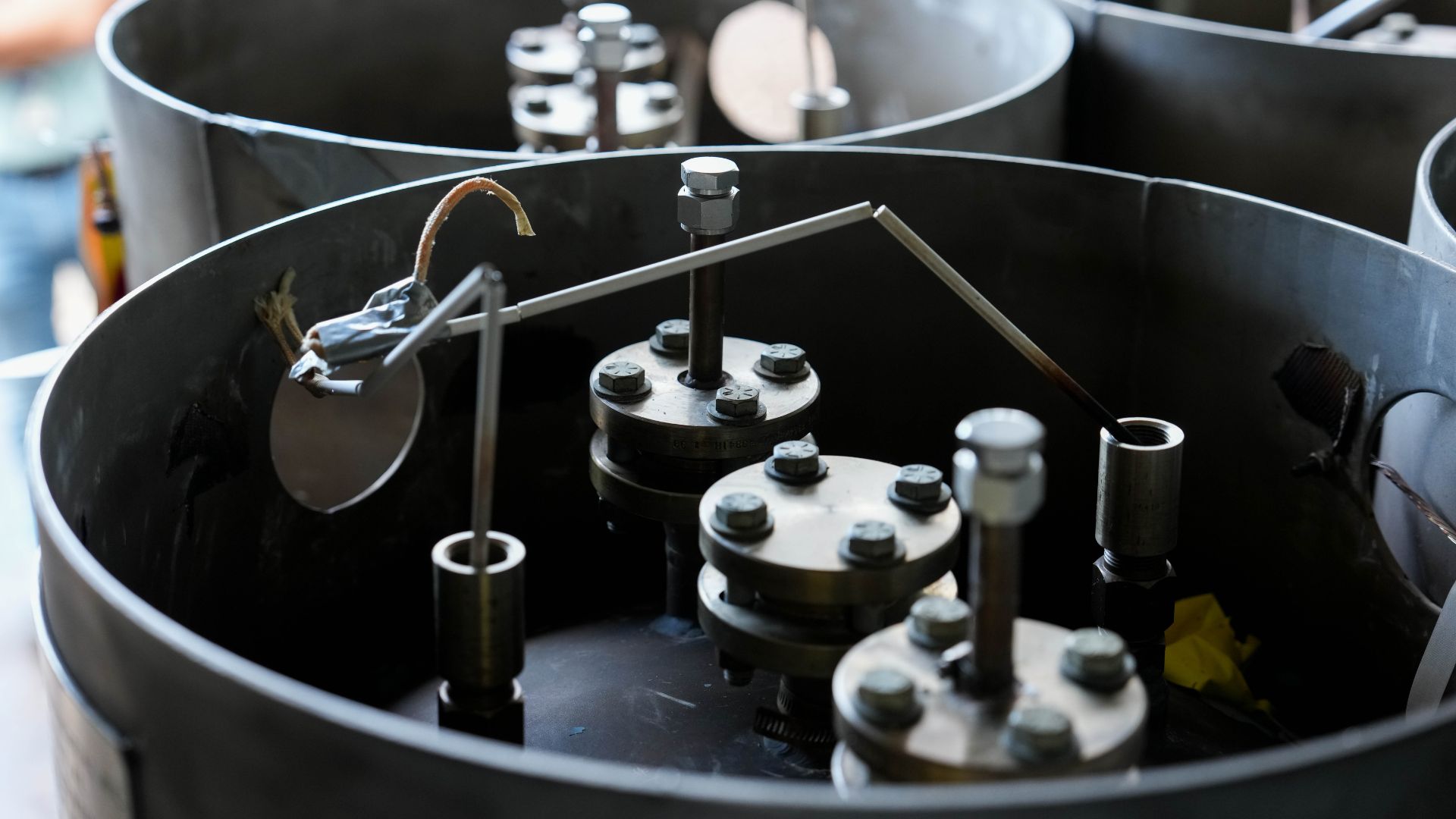
A specialized molten salt coolant has arrived for a new experimental nuclear reactor in Texas. Advanced nuclear company Natura Resources received the shipment from the US Department of Energy on September 18. The material will serve as the coolant for Natura’s MSR-1 demonstration reactor. Workers are currently building the test facility at Abilene Christian University. By taking possession of the compound, the company has resolved a major supply-chain challenge and obtained an essential material needed to operate the facility. Natura’s small modular reactors are designed to deliver clean, reliable baseload power using liquid fuel and low-pressure operating conditions, according to the company. The newly delivered substance is known as FLiBE salt. It originated at the Oak Ridge National Laboratory and traveled through the Idaho National Laboratory before reaching Texas. Historic legacy and operational baseline This specific salt directly links today’s commercial efforts to the birth of molten salt technology sixty years ago. The Molten Salt Reactor Experiment (MSRE) operated from 1965 to 1969, logging more than 13,000 hours demonstrating passive safety, high‑temperature performance, and fuel flexibility, noted the company. The very same FLiBE salt formulation cooled that 1960s experiment. Today, Natura is using that early success as the technical baseline for its modern small modular reactors. “Receiving this salt from the DOE is a handoff between generations of American innovation,” said Jordan Robison, CEO of Natura Resources. “The MSRE showed what molten salt technology could achieve. We’re carrying that legacy forward and turning it into a commercial reality that will deliver reliable energy, clean water, and medical isotopes to the world.” Natura won the rights to the coolant through a competitive Department of Energy solicitation. The bidding process was launched in August 2025 and managed by the Idaho National Laboratory. Commercial proving ground with regulatory progress The material has precise chemical qualities that are critical for nuclear operations. The FLiBE salt contains 99.99% enriched lithium-7 which minimizes tritium generation in the salt, explained the company. Natura intends to run the MSR-1 reactor as a proving ground. Engineers will gather operational data from the test run to design and license future commercial systems. The company plans to deploy these small, liquid-fueled modular units to supply electricity to industrial sites, remote communities, and critical infrastructure. Beyond reliable energy, the technology is designed to produce medical isotopes and support clean water production. The salt arrival represents the second major milestone for the Abilene project in recent months. In July, the Department of Energy approved a Nuclear Safety Design Agreement for the research facility. That formal agreement laid out the safety rules and design standards for the reactor. It defined the technical framework needed to evaluate the primary safety features, the structural materials, and the operating limits of the liquid-fueled core. Establishing those baseline boundaries was an essential regulatory step, giving federal authorities the legal groundwork to approve construction and authorize system testing. Get the latest in engineering, tech, space & science - delivered daily to your inbox.An active and versatile journalist and news editor. He has covered regular and breaking news for several leading publications and news media, including The Hindu, Economic Times, Tomorrow Makers, and many more. Aman holds expertise in politics, travel, and tech news, especially in AI, advanced algorithms, and blockchain, with a strong curiosity about all things that fall under science and tech.
Historic 1960s US nuclear coolant delivered for Natura’s Texas molten salt reactor
Full Article
Original Source
Read the full article at Interestingengineering →KhanList aggregates and links to publicly available news content. We do not host full articles from third-party sources. Always verify important information with original sources.