
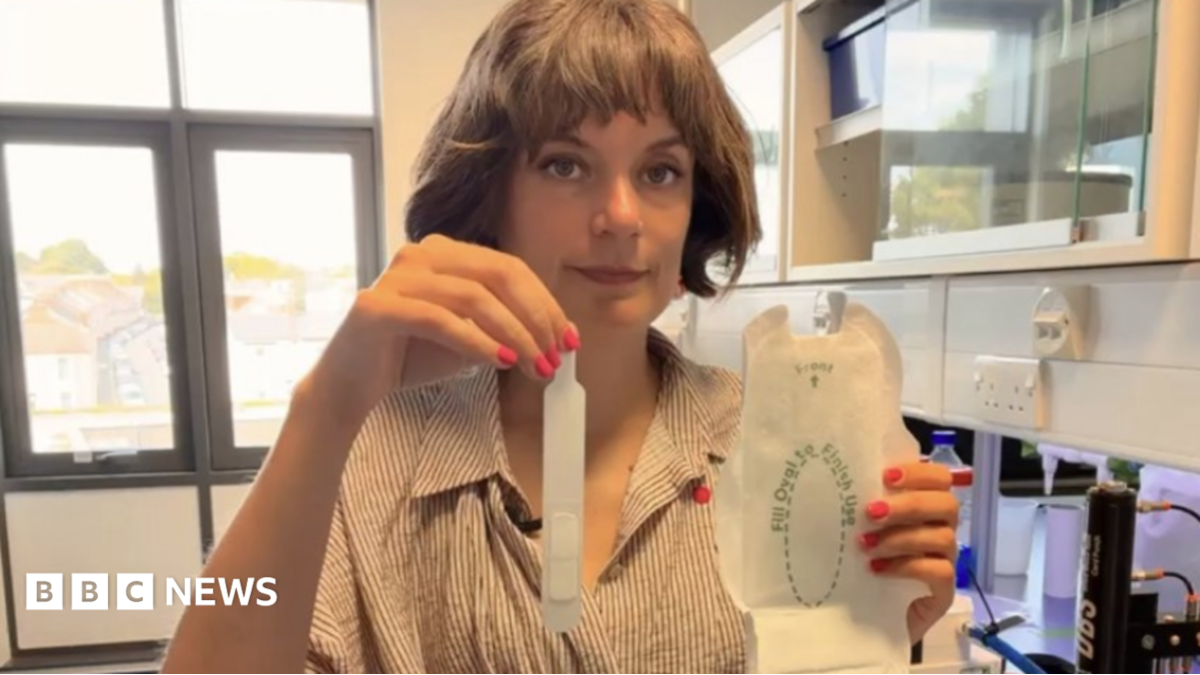
The study will recruit participants from two long-running birth cohort studies: Children of the 90s in south-west England and Born in Bradford in West Yorkshire.Thousands of volunteers will use a specialist app and detailed questionnaires to record symptoms, sleep, mood, energy levels and overall wellbeing.Participants will also provide menstrual fluid samples over three menstrual cycles using specially designed period pads. By linking those samples with long-term health information and genetic data already held by the cohort studies, researchers hope to uncover biological signals associated with heavy menstrual bleeding.They believe the findings could lead to earlier diagnosis, more personalised treatment plans and new methods of identifying health risks linked to heavy periods, including iron deficiency. The project is being led by Sharp, an epidemiologist at the University of Exeter who specialises in women's health research. She said: "HMB is excessive menstrual blood loss that interferes with your physical, social, emotional and/or quality of life. "It can occur with or without underlying pathology such as fibroids, hormonal issues."Common symptoms can often include: bleeding lasting longer than seven days, needing to change protection every one to two hours, passing large clots, signs of iron deficiency anaemia (e.g. fatigue, dizziness)."The study is part of a wider international programme known as The Missed Vital Sign,, external led by Wellcome Leap, which aims to dramatically reduce the time women wait for effective treatment for heavy menstrual bleeding.Professor Sharp said CycleTrack would be the largest bank of dried menstrual fluid samples in the world.She added: "We'll be able to understand what causes different conditions, like endometriosis, fibroids, the impact of those conditions on other areas of life, and then hopefully new ways to predict, prevent, and treat those symptoms as well."Researchers say the work could help address long-standing gaps in understanding menstrual health and improve support for millions of women.Although periods are experienced by around half the population during their lifetime, campaigners and health experts have often argued menstrual health has not received the same level of research attention as many other areas of medicine.The CycleTrack, external team hopes the large volume of data generated by the study will provide new insights into how heavy periods affect everyday life, work, education and general health.The information could also help shape future guidance for schools and employers on supporting people affected by heavy menstrual bleeding. Scientists say many women face delays in diagnosis and treatment, while some may not realise symptoms such as extreme tiredness or dizziness can be linked to blood loss and iron deficiency.By analysing biological samples alongside day-to-day symptom information, the team hopes to identify markers that could eventually help clinicians recognise problems sooner and tailor treatment more effectively.Sample collection is due to begin this month, with researchers expecting data from thousands of participants to contribute to what they describe as a step change in understanding menstrual health.All the data will have been collected by end of November 2027. Preliminary findings will follow by early 2028.Currently only Children of the 90s and Born in Bradford participants can take part, but the research team has a waiting list, external if people are interested in taking part in future studies (funding dependent).
Heavy periods study to create world's largest biobank
Full Article
Original Source
Read the full article at Bbc →KhanList aggregates and links to publicly available news content. We do not host full articles from third-party sources. Always verify important information with original sources.