
The growing popularity of GLP 1 medicines has changed the conversation around obesity treatment. Weight loss injections have emerged as an effective option for many people struggling with obesity, offering significant weight reduction without surgery. But as more patients turn to these medicines, an important question is increasingly being asked: Can weight loss injections replace bariatric surgery?Doctors say the answer is not that simple.Obesity is a chronic disease that can affect blood sugar, blood pressure, sleep, mobility, heart health and overall quality of life. While medicines can help many patients lose weight and improve metabolic health, bariatric surgery continues to have an important role, particularly among people with severe obesity, obesity related diseases or those who have not achieved lasting results through lifestyle changes and medication.The decision, experts say, should not be reduced to choosing between an injection and an operation. It should depend on the severity of obesity, associated diseases, previous treatment attempts, response to medicines, nutritional status and the patient's ability and willingness to maintain long term follow up. Professor Dr Manjunath Maruti Pol, specialist in metabolic, bariatric and kidney transplant surgery at AIIMS Delhi, says weight loss medicines are promising but do not automatically make metabolic surgery obsolete.WHEN WEIGHT LOSS MEDICINES MAY NOT BE ENOUGHAccording to Dr Manjunath Maruti Pol, the choice of treatment should be individualised. For Indian patients, metabolic surgery may be considered in people with obesity and poorly controlled type 2 diabetes despite multiple medicines and healthy lifestyle measures. He says surgery can also be considered in patients with higher levels of obesity, along with conditions such as sleep apnoea, uncontrolled hypertension, dyslipidaemia, osteoarthritis that limits daily activities and fatty liver disease.The severity and duration of diabetes are also important.For patients with type 2 diabetes, his unit considers metabolic surgery in selected cases where HbA1c remains above 7.5 per cent despite treatment with more than three oral anti-diabetic medicines, with or without a GLP-1 receptor agonist or insulin. The patient should also have had diabetes for at least two years.Surgery may also be considered when insulin has been advised because medicines are no longer sufficient to control blood sugar.Another important factor is early organ damage caused by diabetes. This may include protein or albumin in the urine indicating kidney involvement, symptoms suggesting blood vessel disease, coronary artery disease, stroke or transient ischaemic attack, or vision problems caused by diabetic retinopathy.In simple terms, uncontrolled diabetes is not just about a high blood sugar reading. It can mean diabetes that remains inadequately controlled despite several medicines, the need for insulin or evidence that the disease has already started affecting important organs.INJECTIONS CAN HELP, BUT THEY MAY REQUIRE LONG-TERM TREATMENTGLP-1-based medicines have become an important tool in obesity treatment. They can reduce appetite, improve blood sugar control and help patients achieve meaningful weight loss when prescribed appropriately.Dr Pol says these medicines can produce around 15 to 20 per cent weight loss with higher doses over about one and a half years in clinical trials.However, medicines do not work equally well for everyone. Some patients may have side effects or contraindications, while others may not achieve enough weight loss despite treatment.Another concern is what happens after the medicine is stopped. Weight regain can occur when treatment is discontinued, which means some patients may require long-term therapy to maintain the benefits.Bariatric surgery, meanwhile, is an invasive treatment but can produce greater and more durable weight loss in appropriately selected patients. It can also improve metabolic conditions such as type 2 diabetes, hypertension, sleep apnoea and fatty liver disease.Dr Pol says the important question should therefore not be whether a patient wants an injection or an operation.The real question is which treatment gives that particular patient the best chance of achieving long-term metabolic health.SIR GANGA RAM HOSPITAL DOCTOR FAVOURS A PERSONALISED APPROACHDr Sudhir Kalhan, Chairman, Institute of Minimal Access, Metabolic and Bariatric Surgery, Sir Ganga Ram Hospital, New Delhi, also says obesity treatment should not be viewed as a competition between medicines and surgery.He says GLP-1 medicines can be an excellent option for selected patients, particularly because they are non-surgical. However, bariatric surgery can provide a more durable weight loss and metabolic benefit in appropriately selected patients.According to Dr Kalhan, the decision should consider BMI, waist circumference or visceral fat, the duration and severity of diabetes, metabolic complications, pancreatic beta cell reserve, nutritional status and the patient's ability to commit to long-term follow-up.He particularly points to patients with severe obesity. People with a BMI above 50 kg/m2, he says, may benefit significantly from bariatric surgery, along with the use of GLP-1 medicines before and after surgery in selected cases.This combined approach may help improve outcomes by using medicines and surgery as complementary treatments rather than treating them as competing options.“The decision should not be injection versus operation; it should be disease risk versus treatment benefit,” Dr Pol says.FORTIS DOCTOR EXPLAINS WHO MAY BENEFIT FROM SURGERYDr Sanjay Verma, Director, GI, Minimal Access and Bariatric Surgery, Fortis Escorts Heart Institute, Okhla, says GLP-1 receptor agonists have transformed the medical management of obesity and can be highly effective for appropriately selected patients.However, he says bariatric surgery continues to have an important role, especially in patients with severe obesity, significant obesity-related diseases or those who have not achieved adequate or sustained weight loss through lifestyle modification and medicines.The decision, according to Dr Verma, should take into account BMI, type 2 diabetes, hypertension, sleep apnoea, previous attempts at weight loss, response and tolerance to medication, long-term treatment requirements and personal preferences.For some patients, GLP-1 treatment may be an appropriate first treatment or may be used to prepare a patient for surgery. For others, bariatric surgery may provide greater and more lasting weight loss.A PATIENT WHO LOST 55 KG AFTER BARIATRIC SURGERYDr Verma also shared the case of a 45-year-old woman who underwent bariatric surgery in July 2024.The woman, identified as Sunita, was a homemaker and weighed approximately 132 kg. She had several obesity-related health problems, including type 2 diabetes, hypertension and sleep apnoea. Her weight had also contributed to knee problems, making movement and daily activities difficult.Obesity had affected her social and emotional life as well. According to Dr Verma, she had started avoiding social gatherings and often kept herself isolated because of her weight and its impact on her confidence.She had previously tried several approaches to lose weight, including dietary control and medicines, but did not achieve significant or sustained weight loss.After consulting Dr Verma, she spent about a month preparing herself for bariatric surgery. She subsequently underwent a mini gastric bypass.Following surgery, she lost approximately 6 to 7 kg per month. Over about one and a half years, she lost around 55 kg, bringing her weight down from approximately 132 kg to about 75 kg.Dr Verma says her diabetes, hypertension and sleep apnoea improved substantially, while her knee-related problems also improved. She is now much more socially active and enjoys a better quality of life.The case highlights why doctors assess more than the number on the weighing scale when deciding on obesity treatment. The goal is not only to lose weight but also to improve diseases associated with obesity and help the patient regain mobility and confidence.WHY CAN PEOPLE GAIN WEIGHT AGAIN AFTER BARIATRIC SURGERY?Bariatric surgery can result in significant weight loss, but it is not a guarantee of future weight regain.Dr Verma says weight regain is usually multifactorial and should not automatically be blamed on a patient failing to follow a diet.Dietary and behavioural changes can play a role. Patients may gradually increase portion sizes, return to previous eating habits, snack frequently, consume calorie-dense foods or sugary drinks, or develop emotional eating and loss of control over eating.Reduced physical activity can also contribute.The body itself undergoes metabolic adaptation after major weight loss. Appetite and hunger signals can change, while resting energy expenditure may decline. Hormones involved in hunger and satiety can also change, creating biological pressure towards regaining some weight.Psychological factors such as stress, anxiety, depression, binge-eating and emotional eating can further contribute.There can also be anatomical factors in some patients. After sleeve gastrectomy, enlargement of the sleeve may contribute to weight recurrence. Following gastric bypass, enlargement of the gastric pouch or the connection between the stomach and intestine may sometimes play a role.LONG TERM FOLLOW-UP IS IMPORTANTDoctors emphasise that bariatric surgery should be considered part of long-term obesity management rather than a one-time procedure.Regular follow-up allows doctors to monitor weight, nutrition, eating behaviour, physical activity and metabolic health. It can also help identify early signs of weight recurrence before the problem becomes significant.Dr Verma says weight regain rarely has a single cause. It can result from an interaction between eating behaviour, physical activity, physiological adaptation, psychological factors and, in selected patients, anatomical changes.This is why patients experiencing weight regain should undergo a systematic and multidisciplinary assessment rather than simply being told to eat less or exercise more.SURGERY AND GLP-1 MEDICINES CAN SOMETIMES WORK TOGETHERThe debate around obesity treatment is increasingly moving away from choosing one treatment over another.For patients with mild or moderate obesity and no major obesity-related complications, lifestyle changes and medicines may be appropriate. For patients with severe obesity, uncontrolled diabetes or significant complications, surgery may offer a stronger and more durable intervention.In some patients, GLP-1 medicines may be used before surgery to help reduce weight and improve metabolic health. They may also be considered after surgery when additional weight loss is required or when weight regain occurs.This means medicines and surgery do not necessarily have to be competing treatments.THE GOAL IS METABOLIC HEALTH, NOT JUST A LOWER NUMBER ON THE SCALEExperts agree that obesity treatment should be personalised.A patient who loses weight on a medicine but cannot maintain the loss after stopping treatment may need a different long-term strategy. Similarly, surgery is not automatically the right choice for everyone with obesity.The decision should consider the patient's BMI, associated diseases, diabetes control, previous treatment attempts, response to medicines, nutritional status, lifestyle and preferences.For people with severe obesity and significant metabolic complications, bariatric surgery can provide substantial and lasting benefits. For others, GLP-1 medicines may offer an effective non-surgical approach.As Dr Pol puts it, the right question is not simply whether a patient should choose an injection or an operation. It is treatment which gives that individual the best chance of long-term metabolic health.Ultimately, the goal of obesity treatment is not simply weight reduction. It is sustained metabolic health, better control of obesity-related diseases, improved mobility and a better quality of life.- EndsPublished By: Smarica PantPublished On: Aug 27, 2026 11:50 IST
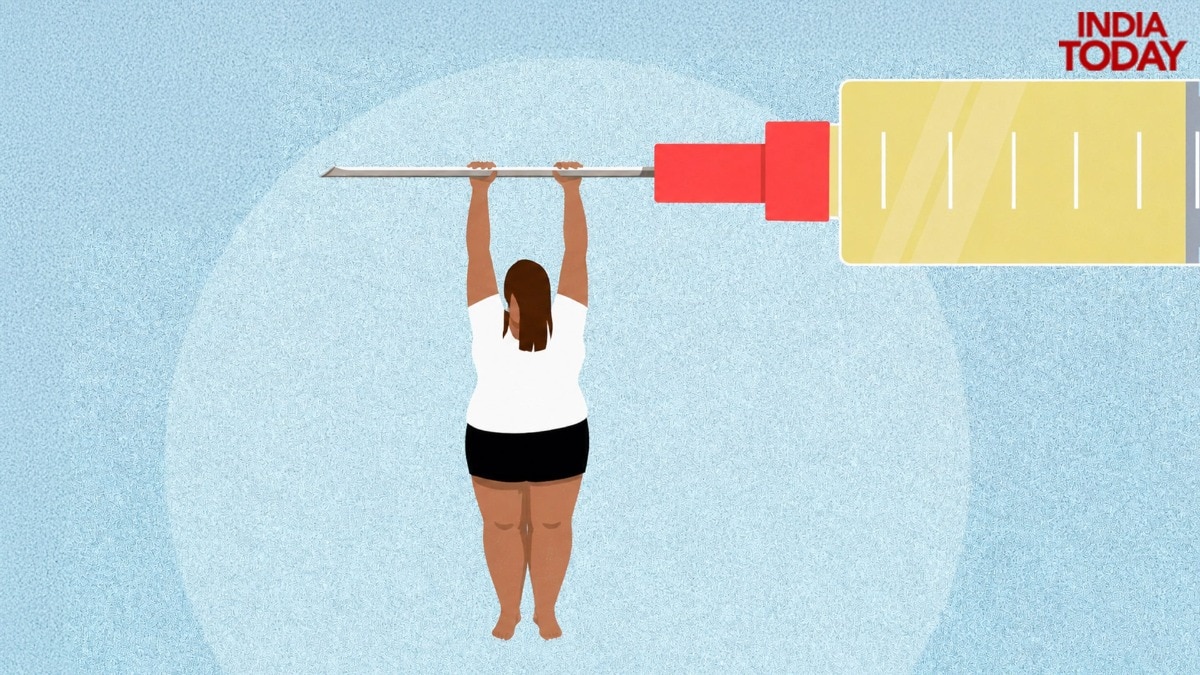
GLP 1 injections vs bariatric surgery: What AIIMS, SGRH and Fortis doctors say
Full Article
Original Source
Read the full article at Indiatoday →KhanList aggregates and links to publicly available news content. We do not host full articles from third-party sources. Always verify important information with original sources.