
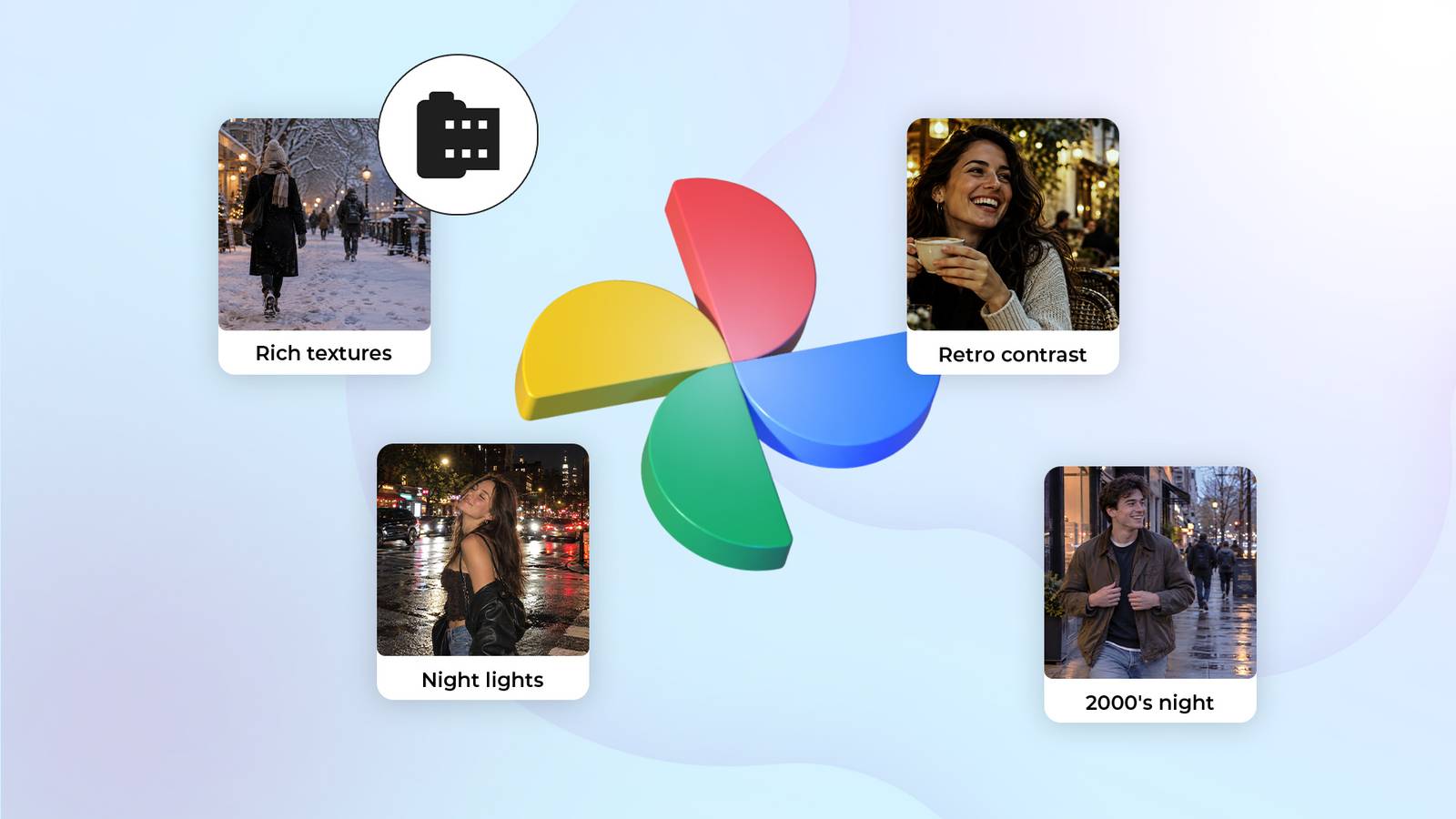
Published Oct 8, 2026, 5:00 PM EDT Jade Bryan is a Feature Author at Android Police with over a decade of tech reviews and news reporting experience, stretching back to the Symbian era and the early days of Android. He covers the breadth of the mobile industry, specializing in operating system deep-dives, app testing, and hardware analysis. In his spare time, you can find him tinkering with his Android devices and wearables, seeking ways tech can improve daily life. He also enjoys playing MMORPGs, traveling, or feeding stray cats and dogs. For years, Google Photos has been my favorite cloud backup for pictures and videos, even on non-Pixel devices. I love its advanced editing features, which have proven handy and practical, from Magic Eraser to a wide range of AI-based presets like Remix. Google recently introduced another suite of useful additions, including Moods. While it's a simpler take than existing tools, I didn't expect to like it this much. It produces fantastic retro looks, so much so that I favor it over Instagram and Adobe Lightroom. What is Google Photos Moods? Turn pictures into retro Before Google Photos got its upgraded editing suite, I mainly relied on Snapseed to tweak my photos before publishing them. For batch exports and editing shots intended for my profile picture, I turned to Adobe Lightroom for its extra flexibility. Over the years, Google has made Photos a much more capable editor. It integrated many tools like expanded effects, filters, and manual adjustment sliders. Although you can process these files extensively, like in Photoshop, they don't offer classic styles as readily as Instagram. Now, Google recently added a new suite of effects called Moods. It's a distinct collection of vintage camera filters that not only add retro looks to pictures but also evoke nostalgia. Moods filters for night and landscapes Make street shots dramatic Moods has eight presets, ranging from classic film to 2000s-style filters, and choosing the right style for the subject can significantly enhance your photos. For street snaps or landscape capture, I mostly use Night Lights, Crisp 35mm, or 2000's night. Night Lights adds a soft glow that emphasizes illumination and colors in images. Besides pairing nicely with night shots, it works fantastically to enhance even daylight scenes, as long as there is a considerable color spectrum. You can always adjust the effect's intensity, which is very nifty, though the default is 80 and it tops out at 100. I also like Crisp 35mm, which adds grain and sharpens the scene for a classic analog film aesthetic. It's one of my favorite options in Moods. In the sample, you can see how clarity and contrast stay balanced despite the added layer of a traditional negative. 2000's night is comparable to Crisp 35mm, but its texture emphasizes digital camera grain. It's also suitable for evening portraits, especially if you want to add these textures as a touch-up or dial up the contrast. Airy Minimalist is the mildest preset. It's recommended if your goal is only to polish the photo while brightening the whites and softening details. Top effects for portrait scenes Playful and cinematic photos For portrait frames, selfies, or subjects with people, I lean toward the other options. 2000's cinema turns a scene into a movie-inspired shot. It favors deeper tonal contrast and shadows while applying light grain. Apart from portraits, I also have fun using it on nighttime landscapes. You can dial back the slider for a subtler finish. Rich Textures enhances the detail in fabrics and surfaces for a more pronounced appearance. I found it to be close to 2000's cinema, except the vibrancy leans toward reddish hues with lighter shadows. Retro Contrast is my favorite selection for portraits. It's the closest you'll get to early digital cameras, with a punchy retro feel created by deepened blacks. On the other hand, Pink Digicam is a lighter, warmer take on Retro Contrast. I recommend it for portrait frames with pale backdrops if you want the highlights to pop. Photos edited with Moods are organized by creation date. To access them quickly, use the Recently added photos album. How to use Moods Moods are available through the Create tab in Google Photos. After you select it, you are prompted to choose a picture from suggested highlights or pick one manually. You can use the smart search feature to filter pictures by place or date. You can also tap a person's face to reveal all tagged photos. The interface starts with Airy Minimalist, though it defaults to the last filter selected. The slider starts at 80 out of the box, but you can adjust it anywhere from 0 to 100. Tap Save a copy when you're happy with the look. Google rolled out Moods a couple of weeks ago, though availability may vary by region. While it uses AI models, it supports older Android hardware, so it won't be an issue if you don't have a paid subscription to Google AI tiers. Right now it supports Android, but we can expect it to land on iOS devices, particularly iPhones, in the future. I stopped wasting time editing on Lightroom and Instagram I've been using Moods for a few days now, almost daily, and it is a genuinely fun addition to Google Photos. I wish we could get more styles down the line and perhaps the ability to batch-apply the same look across multiple photos, though the current filters are more than enough for everyday shooting. It's free, making it an easy recommendation for anyone who wants authentic retro tones without wading through the tedious sliders in Adobe Lightroom or dealing with Instagram's bloated photo editor.
Google Photos' new Moods feature is so good it made me ditch Adobe Lightroom
Full Article
Original Source
Read the full article at Androidpolice →KhanList aggregates and links to publicly available news content. We do not host full articles from third-party sources. Always verify important information with original sources.