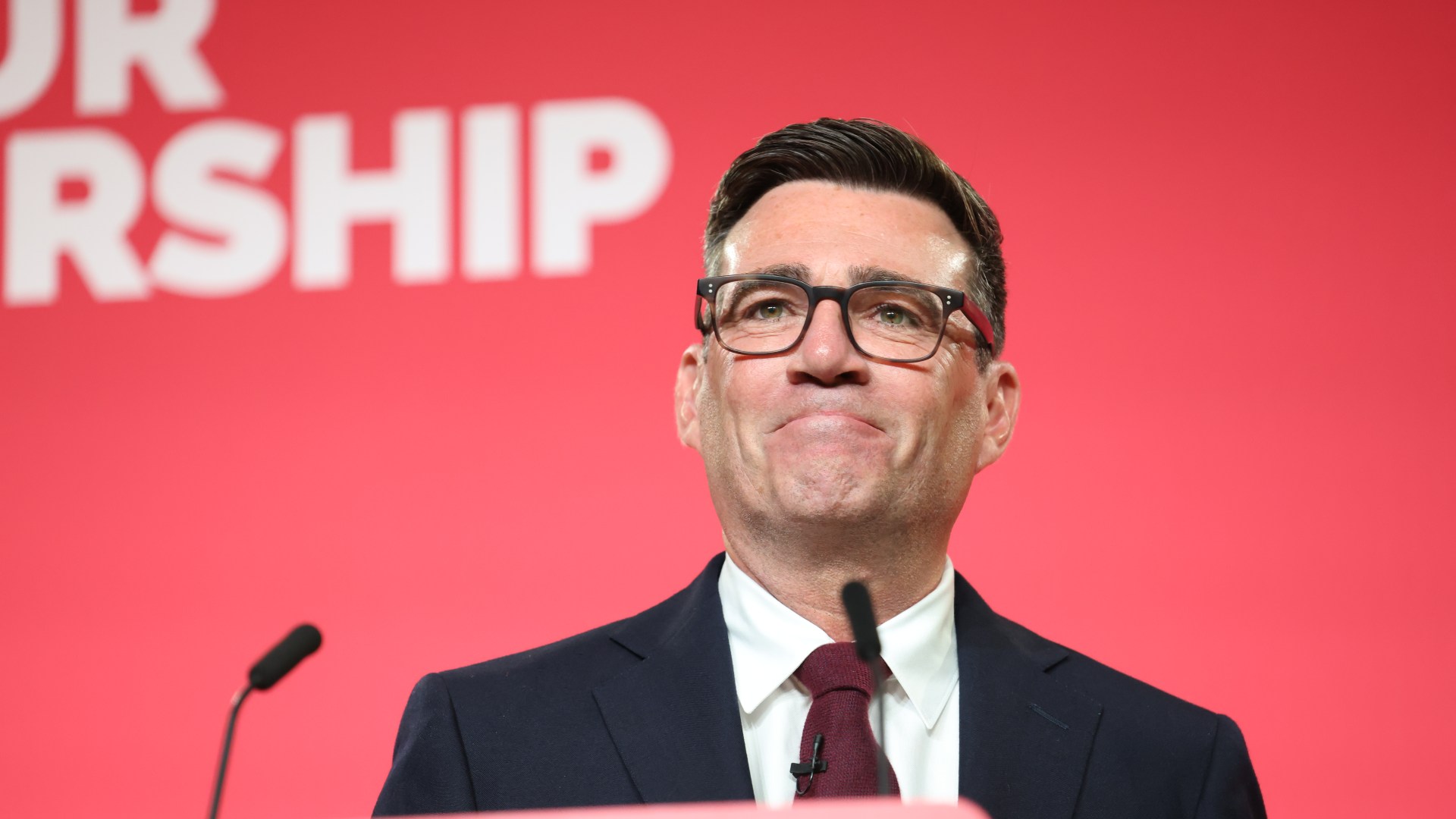
ANDY Burnham seizes the keys to Downing Street today and we spell out how this may affect your personal finances. The incoming Prime Minister wants to help millions of Brits battle the cost of living squeeze – but fears grow over other potential money-grabbing ploys. He has yet to fully outline his approach to the public finances but he may have no option but to raise taxes especially to plug the gap in defence funding. He has promised to give households some “breathing space” as soon as possible after costs have spiralled due to the Ukraine and Middle East wars. Sign up for the Money newsletter Thank you! Burnham says the government needs to “be serious about putting more money back into people’s pockets”. Support could come in the form of help with energy bills, cuts to bus fares and even tax breaks but this may not come until the Budget in the autumn. However, the state of the public finances means he has little room for manoeuvre and is bound by Labour’s 2024 manifesto. He could look to hit Brits with sneaky stealth tax hikes, a wealth tax, pubishing changes to inheritance tax and even bring in a land value tax to help give him some more financial wriggle room. Here’s how it could affect you: Mortgage misery Experts fear mortgage rates could climb if Mr Burnham chooses to increase government borrowing to fund defence spending, something he has already hinted at supporting. Most read in Money Government borrowing is largely funded by selling bonds known as gilts, which investors buy in return for regular interest payments. If markets worry that the government is borrowing more than it can comfortably pay back, they demand higher interest rates to compensate for the added risk, meaning gilt yields rise. Because banks use these gilt yields as a benchmark when pricing their fixed-rate mortgage deals, any jump can quickly filter through to what homeowners are offered on the high street. Ian Futcher, financial planner at Quilter, warned: “Even relatively small increases in rates can translate into hundreds of pounds more per month for those coming off fixed deals.” This is exactly what happened during the mini-Budget crisis in 2022, when a loss of market confidence sent gilt yields soaring and forced lenders to pull hundreds of mortgage deals overnight. Sneaky stealth tax Income tax thresholds are already frozen under Labour until 2031, but Burnham could easily extend the freeze. Freezing tax bands acts as a stealth income tax due to “fiscal drag”, where your wages rise but you end up being dragged into a higher tax bracket. Someone earning £35,000 will already be left up to £500 worse off by the end of the decade thanks to the current freeze. So any extension is likely to leave millions of people with hundreds of pounds less in their pocket. Nimesh Shah, of accountancy firm Blick Rothenberg, said it is “one of the biggest tax raisers available”, adding: “This is an effective way for the government to raise tax revenue, without people necessarily noticing it. “The impact of frozen tax allowances and thresholds is effectively a 4% increase to the 20% basic rate of income tax.” However, Burnham has been warned against using stealth taxes by experts. 50% income tax Burnham has repeatedly hinted at wanting to hammer the wealthy and higher earners with more tax. Despite vowing to stick to Chancellor Rachel Reeves‘ fiscal rules and not hiking income tax, VAT or National Insurance, many believe the PM-in-waiting could introduce a 50% income tax rate. This could replace the current 45% higher rate of income tax, which is paid on any income over £125,140 a year. The move would see someone earning £150,000 pay around £1,250 more in income tax per year. “Strictly speaking, introducing 50% income tax will break Labour’s manifesto promise, to not increase income tax, NIC or VAT,” says Nimesh Shah at Blick Rothenberg. “But let’s be honest, they have largely broken that promise by increasing employer’s NIC, increasing income tax on rental profits, savings interest and dividends, and extending the freeze on tax thresholds and allowances until 2031.” Capital gains tax shake-up There are fears Burnham is eyeing up a Capital Gains Tax shake-up. CGT is a tax on the profit you make when you sell or get rid of an asset, like a second home or antiques, that has increased in value. It also applies to shares, investments, and cryptocurrency. It is believed Burnham could align CGT rates with income tax rates, after one of his close advisors, Louise Haigh MP, called for them to be revised. CGT rates are currently lower than income tax rates, at 18% for basic rate taxpayers and 24% for higher earners. The rate you pay is calculated after your profits are added to your other income. Property tax revolution Mr Burnham has long supported scrapping council tax and stamp duty in favour of a Proportional Property Tax, which would see homeowners pay a flat 0.48% charge on their property’s current value. Campaign group Fairer Share claims 77% of households would benefit and save an average of £556, but critics warn it could hit older homeowners and those in London and the South East hardest. Alternative plans championed by Burnham include a land value tax, which new modelling suggests could hit thousands of homeowners with eye-watering bills. However, Robert Salter, director at Blick Rothenberg, said such a system “would realistically be quite difficult to introduce” and is unlikely to happen overnight, but it’s worth keeping an eye on if you’re planning to buy or sell. Inheritance tax overhaul Mr Burnham has previously floated scrapping inheritance tax altogether in favour of a “national care levy”, a flat 10% charge on all estates to fund free social care. Everyone currently gets a tax-free allowance of £325,000 when they die, rising to £500,000 if you leave your home to children or grandchildren, and up to £1million for surviving spouses. Anything above this is taxed at 40%. Many families get around this by gifting money to loved ones while they’re still alive, as gifts made more than seven years before death fall outside the estate completely. Jason Hollands, managing director at BestInvest, warned any overhaul “risks catching families off guard, particularly those who have built up property wealth over time but do not see themselves as wealthy.” Comment now
From ‘sneaky’ stealth taxes to mortgage misery… what PM Andy Burnham’s No10 takeover really means for YOUR cash
Full Article
Original Source
Read the full article at Thesun →KhanList aggregates and links to publicly available news content. We do not host full articles from third-party sources. Always verify important information with original sources.