
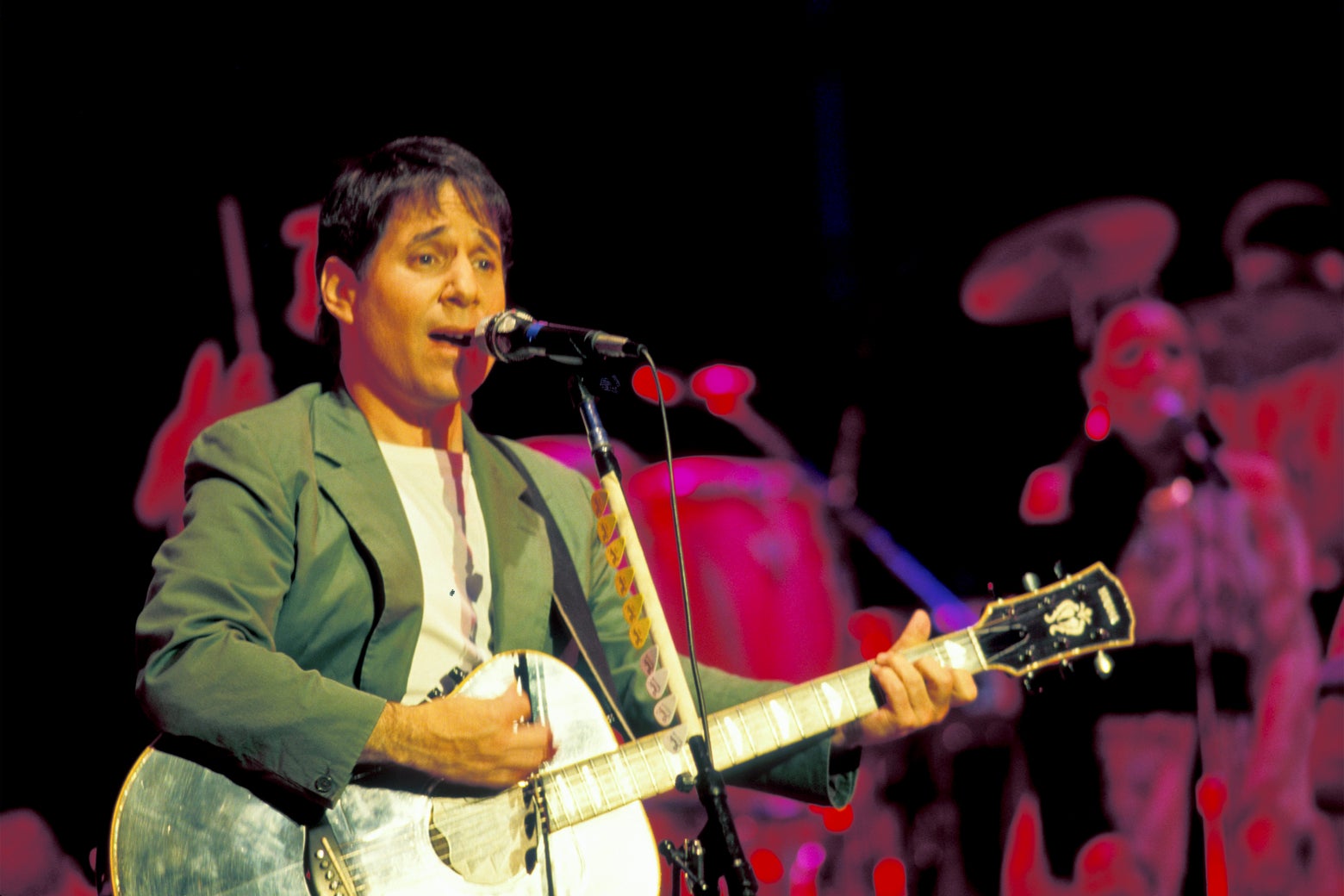
Going to Graceland Edition How Paul Simon defied a boycott and the stigma of middle age to create one of the most popular—and polarizing—albums of the 1980s. We're sorry, but something went wrong while fetching your podcast feeds. Please contact us at plus@slate.com for help. Episode Notes Four decades ago, Paul Simon broke out of a middle-age slump with a collaborative project few saw coming. Join Chris Molanphy as he explores the musical brilliance, polarizing legacy—and of course, the chart history—of 1986’s Graceland. Captivated by a borrowed mixtape of South African music, Simon defied a UN cultural boycott and traveled to apartheid-era South Africa to collaborate and record with Ladysmith Black Mambazo and other musicians. The result was polarizing, critically beloved and, eventually, a chart smash. Graceland also set a new precedent for aging pop stars. For an even deeper dive on the controversies behind the album, check out Ashley Kahn’s new book Days of Miracle and Wonder: Paul Simon and the Trials and Triumphs of Graceland. And for more on the anti-apartheid movement in pop, listen to Hit Parade’s episode on the rise and fall of the charity megasingle. Podcast production by Kevin Bendis. Get more Hit Parade with Slate Plus! Join for bonus episodes of “The Bridge” and ad-free listening across all your favorite Slate podcasts. Visit slate.com/hitparadeplus to get access wherever you listen.
Forty Years Ago, Paul Simon Released a Record That Probably Shouldn’t Have Existed.
Full Article
Original Source
Read the full article at Slate →KhanList aggregates and links to publicly available news content. We do not host full articles from third-party sources. Always verify important information with original sources.