
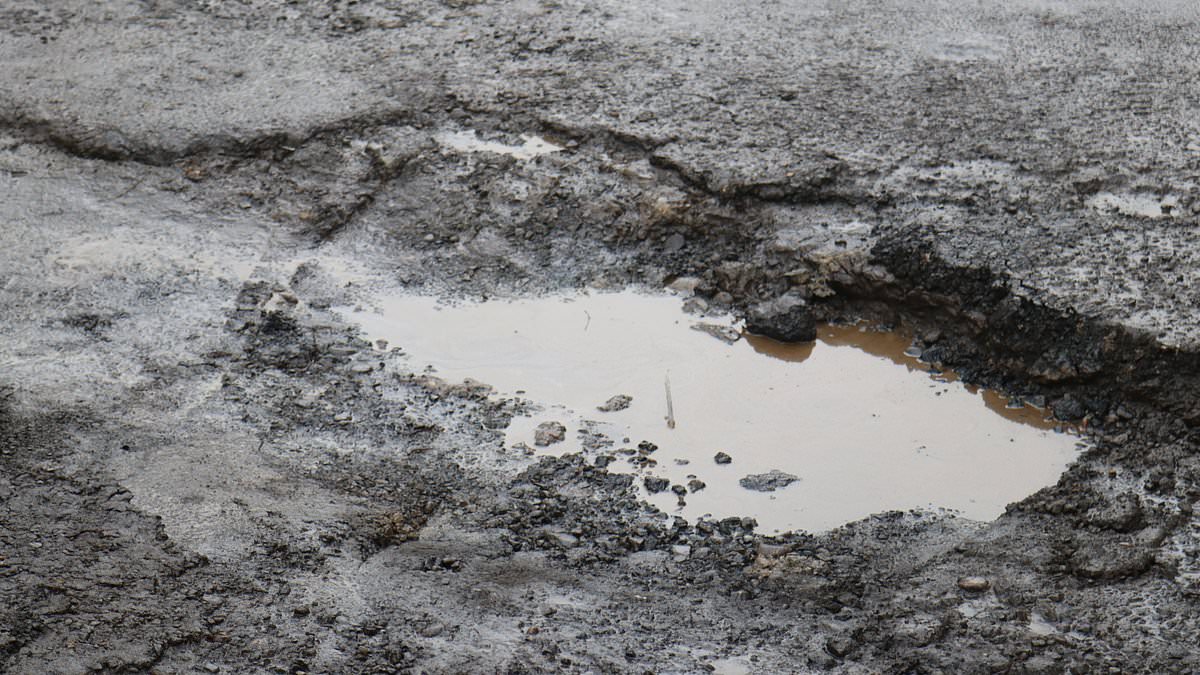
Britain's drivers could see a surge in potholes on the roads as a result of a record-breaking summer of heatwaves.The RAC warned that the sun's intense ultraviolet radiation ages road materials and that this combined with the absorption of greater heat from the sun can cause surfaces to become brittle and crack as they cool.It comes as scorching temperatures soared across the UK, reaching a peak of 38.1C in Kew Gardens, south-west London as the country sweltered under five heatwaves.RAC head of policy Simon Williams said: 'Potholes are often associated with cold or wet winters, but prolonged periods of hot, sunny weather also takes its toll on the roads.'Intense UV exposure and heat gradually oxidise the bitumen that binds asphalt together, making surfaces more brittle and prone to cracking.'Once cracks develop, traffic and later rainfall can quickly turn them into serious defects.'The heat emergency threw parts of the country into chaos, with Great Northern passengers being forced to walk on the tracks in June when a train lost power 'in the middle of nowhere'.More than 1,000 schools closed or reduced their opening hours, rail operators slashed timetables, Eurostar services were cancelled and passengers were being urged to avoid travelling altogether. Britain's drivers could see a surge in potholes on the roads as a result of a record-breaking summer of heatwaves Pictured: A junction in Cambridge has a mass of pothole patchesThe crisis is causing widespread anxiety among road users. According to a 2026 report, 51 per cent of motorists said the condition of the roads was their biggest worry when driving.Meanwhile, 83 per cent of drivers said they come across potholes on most of their journeys and more than half (54 per cent) said they encounter them on every trip.Britain's pothole crisis has been laid bare with new figures suggesting motorists now pay £3.3billion in repair damages annually.There are claimed to be one million potholes in the UK and if a driver is unlucky enough to damage their car, they face a £341 cost to rectify.Common repair issues include suspension damage, misaligned tracking and blown tyres.And a study by Censuswide for Close Brothers Motor Finance suggests some areas have it far worse than others.West Midlands came out top with 33 per cent of motorists claiming their vehicle has been damaged by a pothole in the last year, with the average cost to fix at £350.Popular cities in this region include Birmingham, Coventry and Wolverhampton.Snapping at its heels is the North East with 26 per cent of drivers. There, repairs cost around £325. Newcastle, Durham and Sunderland are the primary cities of this area.The most expensive region is Greater London. Drivers in the UK's capital face repair bills of £512 and 24 per cent claimed to have been affected. The North West is the second most expensive, which contains cities such as Manchester, Liverpool and Lancaster, it costs £362, while Wales charges £238. This is the cheapest region for vehicle repairs. Mr Williams added: 'Drivers' strong feelings about the poor quality of the UK's roads are a reflection both of a long-term lack of investment in road maintenance and repair by local authorities, and of the road surface issues exacerbated by a particularly wet winter, and now an extremely hot summer.'Fortunately, the Government has increased its efforts to address the problem.'Council highway budgets in England have been increased to a record £1.6 billion for 2025-26 and in November's budget, £7.3 billion was allocated for road improvement works between now and the end of the decade which will allow councils to make long-term maintenance plans.'Mike Hansford, chief executive of the Road Surface Treatments Association, said: 'Extremes in the UK's weather, including increased summer UV radiation, combined with colder, wetter winter conditions, can accelerate deterioration.'So, it's more important than ever to ensure our roads are made more resilient for the future through application of early life, preventative treatments.'He added: 'The industry has responded to these extremes in our weather, through further modification of the binders used in these treatments, which makes them more resistant to both summer and winter extreme temperatures.'The Department for Transport issued new reporting requirements for English councils in June which require them to prove they are doing more to fix potholes and future-proof roads.This is aimed at encouraging full resurfacing of roads rather than short-term fixes.Local authorities risk losing up to a third of their funding for roads maintenance if they fail to demonstrate they are working effectively.
Forget ice and rain, now the sun causes potholes as well! RAC warns Britain's motorists could see surge in craters on the roads caused by hottest summer on record
Full Article
Original Source
Read the full article at Dailymail →KhanList aggregates and links to publicly available news content. We do not host full articles from third-party sources. Always verify important information with original sources.