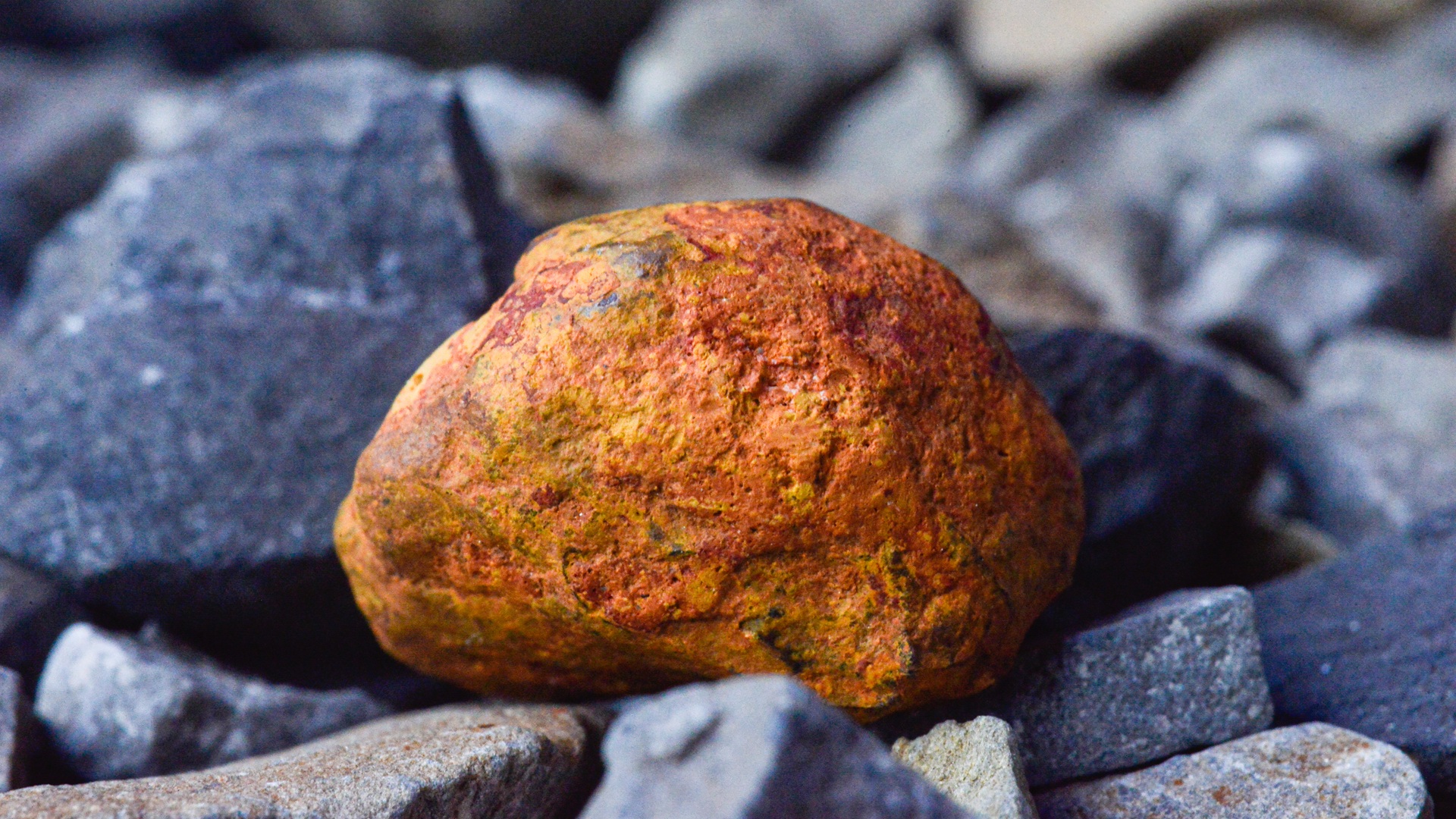
Researchers at the University of Minnesota Twin Cities have shown that low-purity iron ore from Minnesota can be converted directly into semiconductor-quality pyrite, potentially opening a cheaper route to materials for future solar panels, batteries and electronic devices. Pyrite, commonly known as fool’s gold, is an unusual semiconductor. It absorbs light strongly, is made from abundant elements and is non-toxic and inexpensive. But making high-quality semiconductor pyrite has typically required highly purified starting materials because impurities and defects can interfere with semiconductor performance. The Minnesota team found that may not be necessary. Using iron ore samples taken directly from the Minnesota Iron Range, the researchers produced semiconductor-quality iron sulfide without adding extra purification steps. The finding is particularly significant for Minnesota, which accounts for about 75% of US iron ore production and generates more than $4 billion in annual revenue from the industry. The same resource that has supported steelmaking could potentially become a source of semiconductor materials. Dirty ore yields cleaner results The researchers tested three different types of iron ore and found that Direct Reduced Grade Taconite, one of the most commonly available grades in Minnesota, performed best. The result surprised the team because semiconductor materials are generally highly sensitive to impurities. Instead, pyrite showed an unexpected ability to tolerate impurities while retaining the properties needed for semiconductor applications. “We realized that pyrite’s really not like a typical semiconductor – it is surprisingly immune to impurities,” said Chris Leighton, Distinguished McKnight University Professor in the Department of Chemical Engineering and Materials Science and senior author of the study. “So, we wondered, do we even need the high purity material that we (and everyone else) had been using to make semiconducting pyrite.” The researchers found that the low-purity ores could be processed directly into pyrite with no additional purification. That could remove a potentially costly stage from the production of semiconductor-quality material. “There are all sorts of reasons why you would think this would not be possible,” Leighton added. “But, during processing the dirty — or low-purity — iron ores, directly from the Minnesota Iron Range, were easily converted to semiconductor-quality pyrite with no extra purification steps. This happens for reasons that we now understand pretty well.” The team says understanding why the impurities do not prevent the formation of high-quality pyrite could help guide the development of similar materials from abundant resources. Fool’s gold targets future devices The potential applications extend beyond conventional semiconductor devices. Pyrite’s ability to absorb light makes it interesting for solar technologies, while its composition and low cost could also make it useful in batteries and electronics. The researchers also point to possible applications in water purification. However, these uses remain future possibilities, and the team plans to test how the material performs in device-relevant forms. The next phase will include examining more types and grades of iron ore, since the Iron Range contains a wide variety of resources. The researchers also want to move beyond bulk pyrite crystals and produce thin films, which are more directly relevant to electronic and energy devices. The approach could eventually create another use for iron resources that are already mined at large scale. Rather than requiring highly purified feedstock to make a specialized semiconductor material, manufacturers could potentially start with more abundant and less refined iron ore. For Minnesota, that could mean a new technology pathway built around an existing mining industry. For materials engineers, the work offers a different lesson: a material that appears too impure for semiconductor applications may be far more tolerant than expected. The study was published in Physical Review Applied. Get the latest in engineering, tech, space & science - delivered daily to your inbox.With over a decade-long career in journalism, Neetika Walter has worked with The Economic Times, ANI, and Hindustan Times, covering politics, business, technology, and the clean energy sector. Passionate about contemporary culture, books, poetry, and storytelling, she brings depth and insight to her writing. When she isn’t chasing stories, she’s likely lost in a book or enjoying the company of her dogs.
‘Fool’s gold’: Dirty iron ore becomes semiconductor material in surprise breakthrough
Full Article
Original Source
Read the full article at Interestingengineering →KhanList aggregates and links to publicly available news content. We do not host full articles from third-party sources. Always verify important information with original sources.