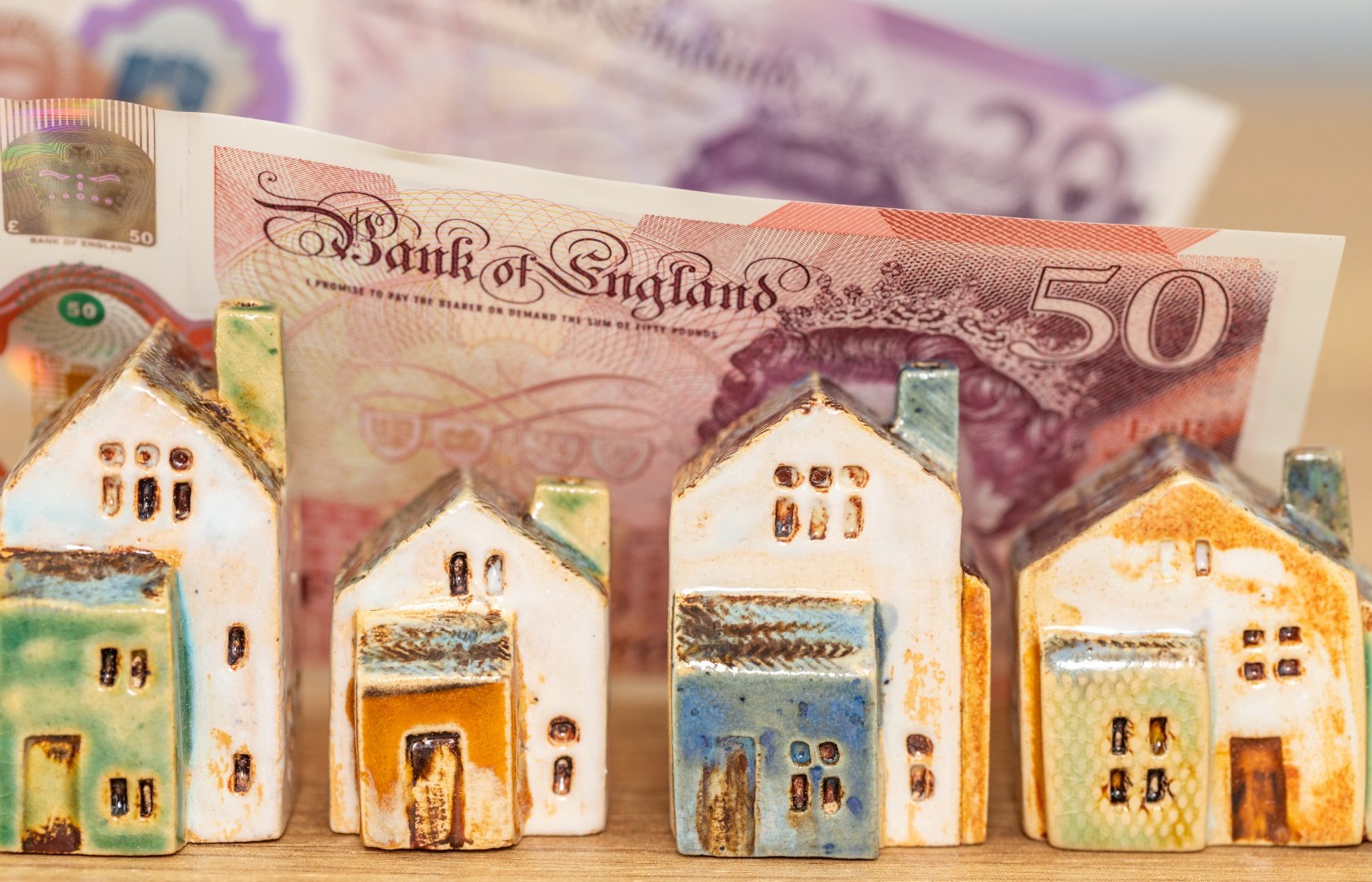
MILLIONS of homeowners are set to see their mortgage repayments jump by thousands of pounds next year. Five million homeowners are due to face higher borrowing costs by the end of 2028, the Bank of England Financial Policy Committee (FPC) has said. Five million homeowners face higher borrowing costs by the end of 2028 Credit: Andrzej Rostek This is a whopping one million more households than the central bank had previously predicted in December. Mortgage rates had been falling as an initial ceasefire between the US and Iran appeared to hold. Sign up for the Money newsletter Thank you! However, fresh strikes and attacks by Houthi militants on oil tankers in the Red Sea have revived concerns about global energy supplies. Oil prices reached $100 a barrel on yesterday for the first time since May, following several days of gains. This has fuelled concerns about rising inflation and dashing hopes of an interest rate cuts. The Bank of England’s base rate has stood at 3.75% since December last year. This rate is used by high street banks and lenders to set the interest on borrowing and savings, including home loans, meaning mortgage rates have gone up too. The current average two-year fixed residential mortgage rate today is 5.59%, according to Moneyfactscompare.co.uk. Most read in Money This is up from 5.58% the previous working day. However, it is still below the Iran war peak in April of 5.9%. The average five-year fixed residential mortgage rate today is 5.61%. This is up from 5.60% the previous working day. This means that those seeking a new deal are looking at repayments of £1,548 per month, based on a typical two-year fixed mortgage of 5.59% on a loan of £250,000, with a term of 25 years. This is a difference of £1,300 over the course of 12 months, compared to the average rate of 4.85% back at the start of February 2026. Rachel Springall, finance expert at Moneyfacts said: “The prolonged tensions in the Middle East have hit the swap rate market, in turn driving up mortgage costs, as lenders monitor swap rates to help them price fixed-rate deals. “It will be incredibly frustrating for borrowers to see rates rise back up to where they were a month ago. “The positive progress over recent weeks now feels all but lost, but what the market needs is a period of stability. “Lenders have resorted to pulling some deals temporarily to reconsider their pricing plans, with over 100 deals withdrawn from sale in the last week alone.” It comes as wave of lenders increased their rates earlier this week. This includes HSBC, Barclays, Nationwide Building Society, Lloyds Banking Group and NatWest Santander followed suit, increasing its rates for homebuyers today by up to 0.3 percentage points, as well as raising rates for those remortgaging. New figures released earlier this week showed that the UK’s inflation rate has dropped slightly to 2.6%. Inflation is a measure of how fast the costs of goods and services are rising. However, experts have warned we could see rising inflation again later in the year because of the conflict in the Middle East. Thomas Pugh, chief economist at RSM UK, warned that inflation is still likely to peak at around 3.4% in November. The Bank of England’s target for inflation is 2%, so this would push the inflation rate well above target, which is bad news for mortgages. The Bank of England‘s Monetary Policy Committee (MPC) meets every six weeks to decide the base rate. It uses the base rate as a tool to help keep inflation close to its target. When inflation is high, it will raise the base rate to deter consumers from spending and reduce demand – which eases inflation. Should I fix my mortgage? Rachel from Moneyfacts said if your mortgage is coming to an end in the coming months, it’s a good idea to start looking for a new deal now. She said: “Any existing borrower who needs to remortgage this year could lock in a new deal now with their existing lender ahead of time. “But it’s also wise to seek advice from a broker to get a good sense of what other deals may be available too.” “Brokers are an anchor during turbulent times as they can help borrowers keep abreast of changes and be there step by step when going through a mortgage application.” Borrowers can start shopping around for a new mortgage as much as six months before their existing deal ends.Taking a fixed-rate mortgage now would protect borrowers against further increases and provide certainty over their monthly repayments. However, borrowers must also decide how long to fix for, with deals lasting from two years to 10 years or more. People should also consider whether they are likely to move home or need to change their mortgage during the fixed term. Most fixed deals come with early repayment charges, which can leave borrowers facing a sizeable penalty if they need to leave before the term ends. Comment now
Five million homeowners facing higher mortgage bills – check how much YOUR repayments could rocket
Full Article
Original Source
Read the full article at Thesun →KhanList aggregates and links to publicly available news content. We do not host full articles from third-party sources. Always verify important information with original sources.