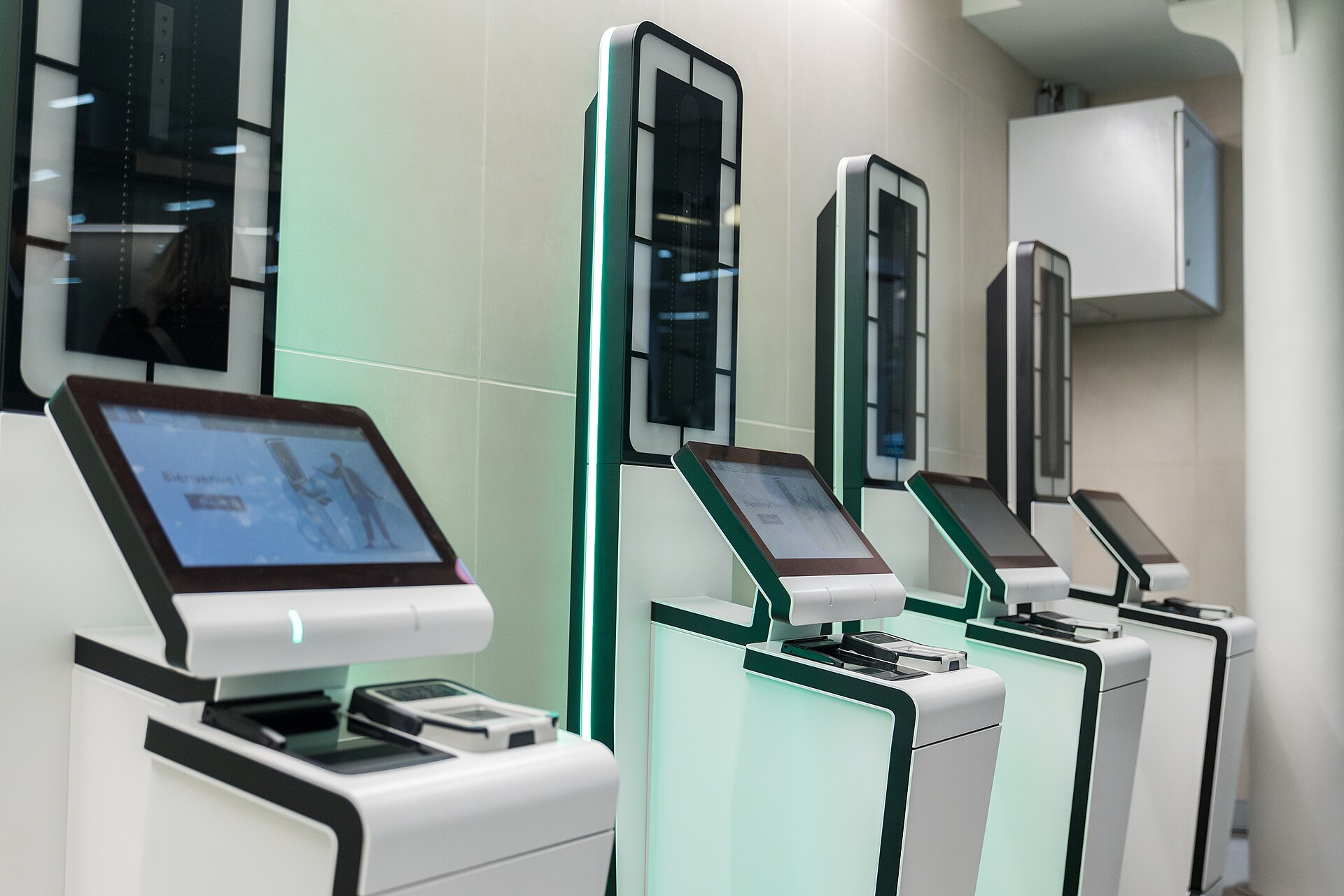
This summer, across Europe, the headlines have been dominated by the rollout of the EU’s new Entry/Exit System (EES). The system, which automatically records who is entering or leaving the Schengen Area, gradually replacing the need for a passport stamp, has led to long queues and airport delays, prompting airlines and some member states to call for its suspension in the busy holiday period. But the attention on the plight of holidaymakers overlooks a much bigger and far more consequential story. The EES, together with the European Travel Authorisation System (ETIAS), is part of a broader push to technically integrate databases across migration and public security. Europe is quietly building the most extensive digital border surveillance infrastructure in its history – one that people can neither see nor challenge. The two systems serve different functions. Whereas the idea behind EES is to automate entry and exit records through biometric data collection, ETIAS aims to pre-screen who is or is not fit to enter the European Union based on criteria assessed by a score: risk to public health, risk to security, and risk of illegal immigration. Together, the systems are capable of screening more than 1.4 bn travellers, and will be integrated into searchable profiles combining biometric, migration, visa, and law-enforcement data. The logic behind this framework, as envisioned by the EU, is ‘simple’: integrate the different databases for immigration, asylum, and policing, so that it becomes relatively easy for police, law enforcement, or migration authorities to pull information from across them. The ETIAS assessment is carried out by an automated profiling algorithm within certain shared criteria across member states – but how this will work in practice remains somewhat unclear. Risk indicators may include age, sex, nationality, country of residence, level of education, and occupation. And while the use of data revealing protected characteristics – like race or social origin – is prohibited, it is not clear how these will not end up being inferred by the system itself in any way: nationality can function as proxy for racial or ethnicity origin, patterns of residence for socioeconomic status, and educational credentials for social class and background. Inside €1.99bn in EU-LISA contracts At the centre of the roll-out for this system sits EU-LISA (EU Agency for the Operational Management of Large-Scale IT Systems in the Area of Freedom, Security and Justice), a little-known agency in Tallinn, responsible for designing, developing, and building Europe's digital borders. At ARTICLE 19, we analysed €1.99bn in EU-LISA contracts to shine a light on infrastructures that too often stay hidden, fading into the background without proper scrutiny. Our analysis uncovered how companies including IDEMIA, Sopra Steria, IBM, and Leonardo SpA, among others, are shaping these systems. Because of the way EU-LISA procurement operates, private companies are gaining real influence over what the systems can do and recommend, through large building blocks of biometrics, engineeringm, and operations. This means that, in practice, surveillance capacities within EES and ETIAS could be expanded through ‘technical adjustments’ rather than accountable political decisions. Companies can suggest forms of ‘evolutionary maintenance’ to the systems, which can create loopholes for new functionalities – such as enhanced biometric matching. These companies are also part of an industry that spans global digital IDs, defence and security projects worldwide: IDEMIA, for instance, develops and implements national biometric identification systems in countries including Morocco, Chile, and Colombia, as well as election management technologies in Kenya. How these technologies travel across contexts deserves further scrutiny. Surveillance at scale This new scale of digitalisation at the borders has real-life consequences. For migrants and people on the move, participation in these systems is not optional: biometric registration and automated assessment are conditions for mobility or legal status. A mistake in one database can cascade across interconnected systems, leading to delayed or denied entry, visa refusals, disrupted family life, or barriers to work, with little transparency about how decisions were made or how to challenge them. Beyond this, many migrants lack the linguistic, legal, and financial resources required to exercise those rights. How these systems will classify people in the long term, what further changes may still come, and how people will be able to question or request access to this information all remain unclear. What is clear is that development of effective accountability mechanisms lags further and further behind, just as the scale and pace of deployment of surveillance technologies accelerates. Individuals’ rights and freedoms should not be subordinated to commercial interests, and strengthening rights mechanisms and transparency for migrant populations requires protective frameworks designed for the conditions they face. While existing frameworks – including the General Data Protection Regulation and the AI Act – formally apply to these systems, they are often applied inconsistently, with many exceptions for migration and law enforcement. More broadly, the design, development, and deployment of digital border infrastructure must not be allowed to proceed without open public debate and meaningful participation of those most affected. EU institutions, member states, and companies must ensure that migrant-led organisations, refugee rights groups, digital rights organisations, data protection experts, journalists, and civil society coalitions are given proper voice in the debate. This democratic accountability requires making the infrastructure itself legible. As EES and ETIAS expand the EU’s surveillance infrastructure, the agencies behind them, EU-LISA, its procurement processes, and its corporate partnerships need to become something the public, policymakers, and affected communities can actually see, understand, and hold to account.
EU’s invisible, €2bn border-check system needs public scrutiny
Full Article
Original Source
Read the full article at Euobserver →KhanList aggregates and links to publicly available news content. We do not host full articles from third-party sources. Always verify important information with original sources.