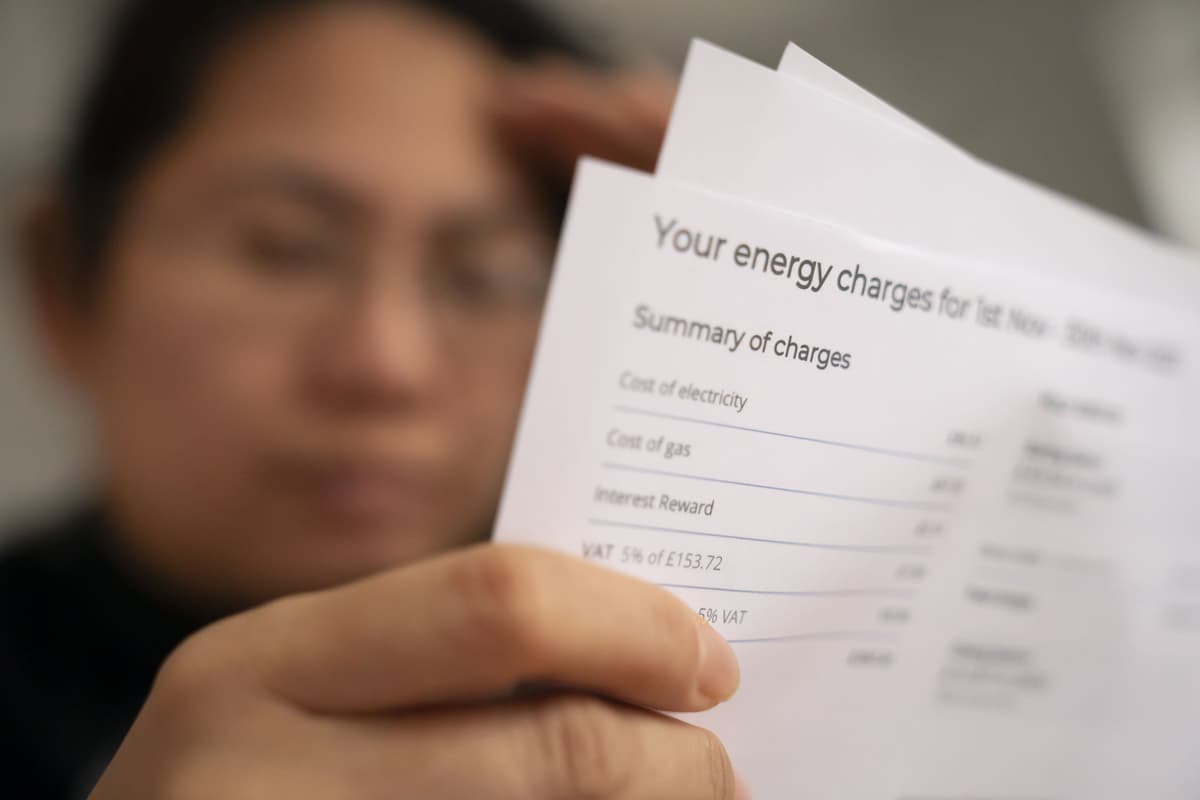
Removing VAT from electricity bills from October is a “positive statement of intent” but “does not address the scale of what households are facing”, experts have said.Prime Minister Andy Burnham’s announcement that electricity bills will be VAT free from October 1 will cut £45 off a typical home’s annual bill based on Ofgem’s current price cap.It comes amid forecasts that household energy prices will remain high throughout this winter, following a £221 jump to the price cap that took effect on July 1, raising it to £1,862 a year.The energy price cap is currently forecast to fall by only around 0.5% in October compared to July as the US-Iran 60-day ceasefire helps to stabilise wholesale gas markets, Cornwall Insight said.While Ofgem updated its definition of a typical consumer from July to reflect falling household energy use, which adjusts the headline figure to £1,654, Cornwall said this represented “little change” on a like-for-like basis.The analyst warned conflicting reports on the reopening of the Strait of Hormuz, the patchy progress of peace talks and uncertain timelines for repairing key regional infrastructure meant prices remained high, if less volatile than in the spring.Further, while July’s higher prices have been cushioned by warmer weather and lower household energy use, the October cap will land as people switch their heating back on and will have a greater impact on household finances.Richard Neudegg, director of regulation at Uswitch.com, said: “Removing 5% VAT on electricity bills from October 1 will be warmly welcomed by households as they head into the colder months, when energy use rises sharply. This would be £45 off a typical home’s annual bill based on the current electricity price cap.Mr Neudegg added: “There is continued pressure on wholesale prices, driven by the situation in the Middle East, meaning it is likely that the October 1 price cap will increase.“Some supplier predictions suggest the next price cap could rise 5% from October for a household with both gas and electricity, so this tax change could take the sting out of a potential increase.Read More“The cheapest deals are currently undercutting standard rates by £210 for the average household. Doing so on top of this VAT change could leave households considerably better off over the winter.”Simon Francis, coordinator of the End Fuel Poverty Coalition, said: “Removing VAT from electricity bills is a positive statement of intent by the new administration.“But it does not address the scale of what households are facing, with millions still left paying an unaffordable share of their income on energy and record levels of energy debt built up over successive winters of high bills.“The Prime Minister’s next move must be to go even further on bringing down the cost of energy and bringing in increased levels of targeted support for those who need it most: an enhanced Warm Home Discount, reformed Cold Weather Payments and an energy debt relief scheme.”He added: “This breathing space is also not a cure. The only way to bring bills down for good is to change how they are set.“That means breaking the link between gas and electricity prices, tackling excess profits in the energy industry and ending our exposure to volatile fossil fuel markets through home-grown renewables and more energy efficient homes.”
Energy VAT cut ‘does not address scale of what households are facing’
Full Article
Original Source
Read the full article at Standard →KhanList aggregates and links to publicly available news content. We do not host full articles from third-party sources. Always verify important information with original sources.