
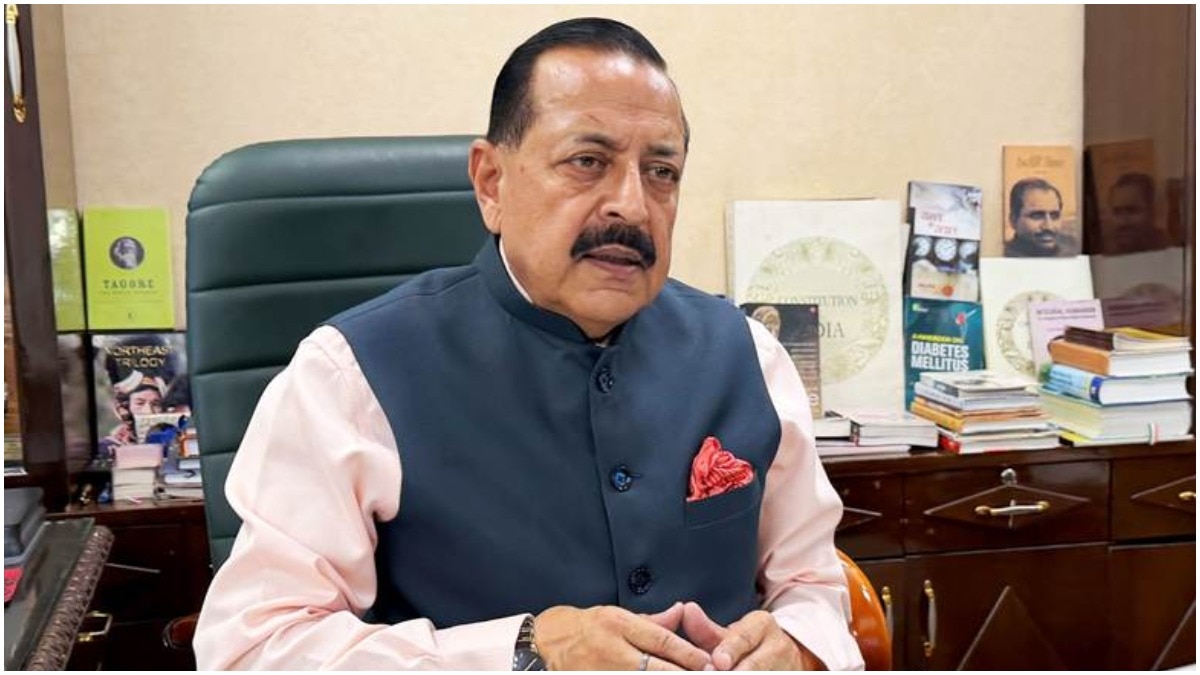
Rural India is increasingly facing the diabetes burden, making prevention, early detection and regular follow-up more important than ever. Experts and policymakers are calling for community-based healthcare supported by technology, screening and better use of health data.Diabetes prevention must be a national priority, says Dr Jitendra Singh. (File Photo: PTI)Diabetes prevention should become a national priority, Union Minister of State Dr Jitendra Singh said on Sunday, highlighting the growing burden of the disease in rural India. Speaking at the inauguration of the Research Society for the Study of Diabetes in India (RSSDI) Diabetes Rural Outreach Digital Portal and the launch of VISHWAS, the Diabetes Awareness Video Library, Singh said India needs to focus not only on treating diabetes but also on preventing new cases and detecting the disease early.For years, diabetes has often been linked with urbanisation, sedentary lifestyles and changing food habits in cities. However, the disease is increasingly affecting rural communities as well. This means that diabetes prevention and care cannot remain limited to large hospitals and urban health centres. People living in villages and underserved areas also need access to screening, medical advice, treatment and regular follow-up.Singh said India has made major progress in healthcare, scientific research and digital technology, but the next challenge is to ensure that these advances reach people in rural and underserved communities.EARLY DETECTION CAN HELP REDUCE COMPLICATIONSDiabetes can remain undetected for years because some people may have few or no obvious symptoms in the early stages. By the time the disease is diagnosed, some patients may already have developed complications affecting the heart, kidneys, eyes, nerves or blood vessels. This makes early screening an important part of diabetes prevention and management. Identifying people with high blood sugar or those at increased risk can provide an opportunity to introduce lifestyle changes and medical care before serious complications develop.Singh stressed that early detection, timely intervention, lifestyle modification and sustained follow-up are important to reducing the overall burden of diabetes. Lifestyle changes can play an important role in preventing or delaying type 2 diabetes, particularly among people who are at higher risk. Regular physical activity, maintaining a healthy weight, eating a balanced diet and avoiding tobacco can support better metabolic health. Regular health checks can also help identify high blood sugar at an earlier stage.RURAL COMMUNITIES NEED BETTER ACCESS TO CAREOne of the major challenges in rural India is access to specialised healthcare. People living in villages may have to travel long distances to reach specialists or larger hospitals. This can delay diagnosis and make regular follow-up difficult.The RSSDI Rural Outreach Programme aims to address some of these gaps by bringing diabetes awareness, screening and treatment closer to communities. Under the programme, villages are being adopted to create a structured system for diabetes awareness, screening, treatment and long-term follow-up.The initiative has already reached around 30 villages across several states, with plans to expand further in the coming years.Such programmes can also help healthcare workers identify people who may be at risk and connect them with appropriate medical services. Regular follow-up is particularly important because diabetes is a long-term condition that requires continued monitoring and management.TECHNOLOGY CAN STRENGTHEN DIABETES CAREThe newly launched digital portal is expected to support the rural outreach programme by improving documentation and continuity of care. Digital records can help healthcare teams keep track of screening results, treatment, follow-up visits and patient outcomes.Technology can also help identify patterns that may otherwise remain difficult to observe when health information is scattered across different centres. When information from rural communities is systematically collected, it can provide researchers and policymakers with a clearer picture of how diabetes is affecting different populations.Singh said combining community-level healthcare with scientific documentation could generate real-world data from rural India. This information could help researchers better understand disease patterns and support the development of evidence-based public health strategies suited to the Indian population.INDIA'S YOUNG POPULATION NEEDS PROTECTIONSingh also linked diabetes prevention with India's long-term development goals. He noted that more than 70 per cent of India's population is below the age of 40 and said protecting the health and productive potential of this population is important for the country's vision for 2047.The increasing prevalence of diabetes among younger adults is a concern because developing the disease earlier in life can mean living with it for several decades. Longer exposure to high blood sugar can increase the risk of complications if the condition is not properly managed.Prevention therefore needs to begin before diabetes develops. Awareness about healthy eating, physical activity, weight management and regular screening can help people make changes earlier in life.COORDINATED ACTION IS NEEDEDDr Jitendra Singh called for greater cooperation between government agencies, academic institutions, technology partners, private organisations and local healthcare workers. Diabetes, he said, cannot be addressed through treatment alone and requires a coordinated approach focused on prevention, detection and long-term care.Community programmes can help take diabetes services closer to people, while digital tools can improve documentation and follow up. At the same time, data collected through these programmes can help policymakers understand where the greatest gaps exist and where resources are needed.As diabetes increasingly affects both urban and rural India, prevention will need to become a larger part of the country's public health strategy. Expanding screening, improving access to care and helping people adopt healthier lifestyles could be key to reducing the future burden of the disease and its complications.- EndsPublished By: Smarica PantPublished On: Aug 17, 2026 09:45 IST
Diabetes is reaching rural India: Dr Jitendra Singh calls for national action
Full Article
Original Source
Read the full article at Indiatoday →KhanList aggregates and links to publicly available news content. We do not host full articles from third-party sources. Always verify important information with original sources.