
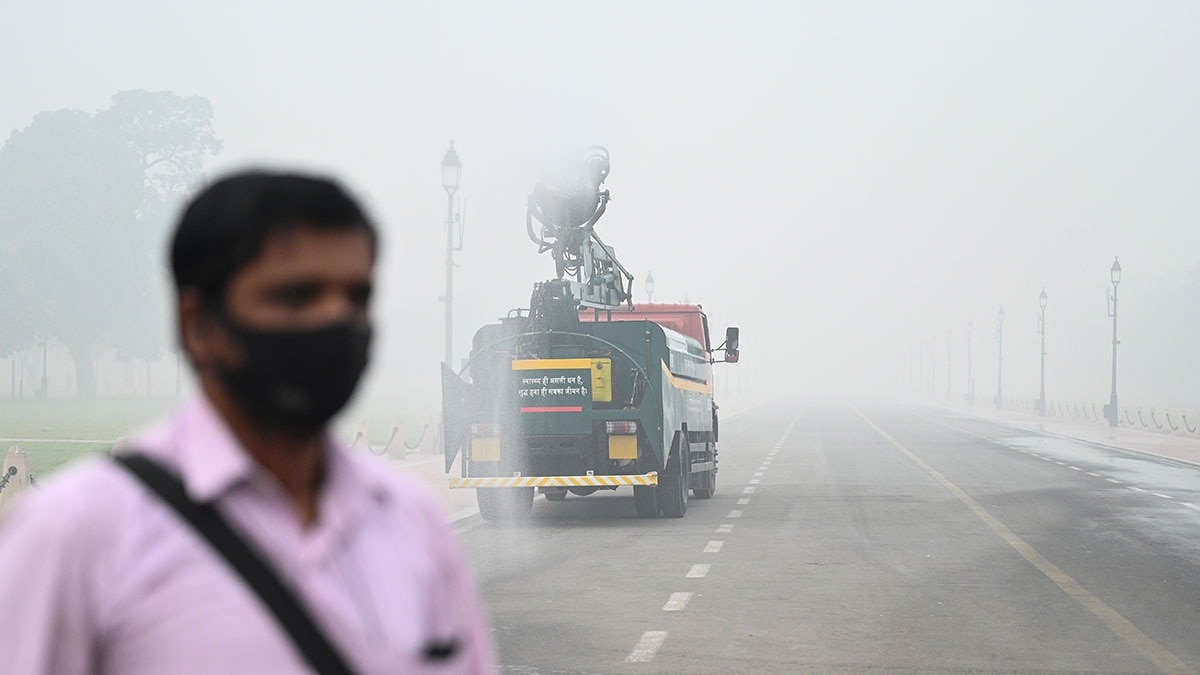
A UNEP report has said that Delhi can sharply cut PM2.5 exposure by 20 per cent by 2040 if it meets the current national air standards from 2026. The report warns that delayed implementation would halve gains and worsen health and economic costs.According to a UNEP report, 25 solutions have been identified to address both climate change and air pollution in Delhi at the same time. (Photo: Arun Kumar)A new report by the UN Environment Programme and the Climate and Clean Air Coalition has said that Delhi could reduce its PM2.5 exposure burden by 20 per cent by 2040 if it meets the current national air quality standards on schedule from 2026.The report said that if reaching the standards is delayed by about eight years, in line with the expected average global implementation delay, the reduction would be only 10 per cent, leading to substantially greater health impacts over the period.The report, titled 'Hidden Assets: The Economic and Health Case for Climate and Clean Air Action', was released on Monday. It describes itself as the first comprehensive global economic assessment of integrated climate and clean-air action.According to the document, 25 solutions have been identified to address both climate change and air pollution at the same time. These include measures already considered feasible, such as renewable power and energy efficiency, wider use of clean cooking and heating solutions, and stricter vehicle emission and efficiency standards. The analysis said the annual economic benefits of implementing these measures would be equal to 2.8 per cent of global GDP in 2035, 4.5 per cent in 2050, and 11.4 per cent in 2100. It added that each year of delay would forgo more than 0.5 per cent of global GDP in benefits, equivalent to more than USD 1.5 trillion in combined market and non-market value."Strengthening enabling conditions – economic, social, technological and institutional – can bring all 25 solutions fully into place up to a decade sooner, substantially boosting reductions in PM2.5 and ozone precursors over the 2025-2050 period," the report said. The report said implementation delays of 7.5 to 8 years are expected globally on average, with institutional barriers identified as the single biggest contributor, accounting for around 2.4 years over a notional 15-year implementation window."A delay of this scale roughly halves the emissions reductions achievable by 2035," it said.- EndsPublished By: India Today Web Desk Published On: Sep 8, 2026 07:34 IST
Delhi can cut PM2.5 exposure burden by 20% by 2040 if air norms met on time: Report
Full Article
Original Source
Read the full article at Indiatoday →KhanList aggregates and links to publicly available news content. We do not host full articles from third-party sources. Always verify important information with original sources.