
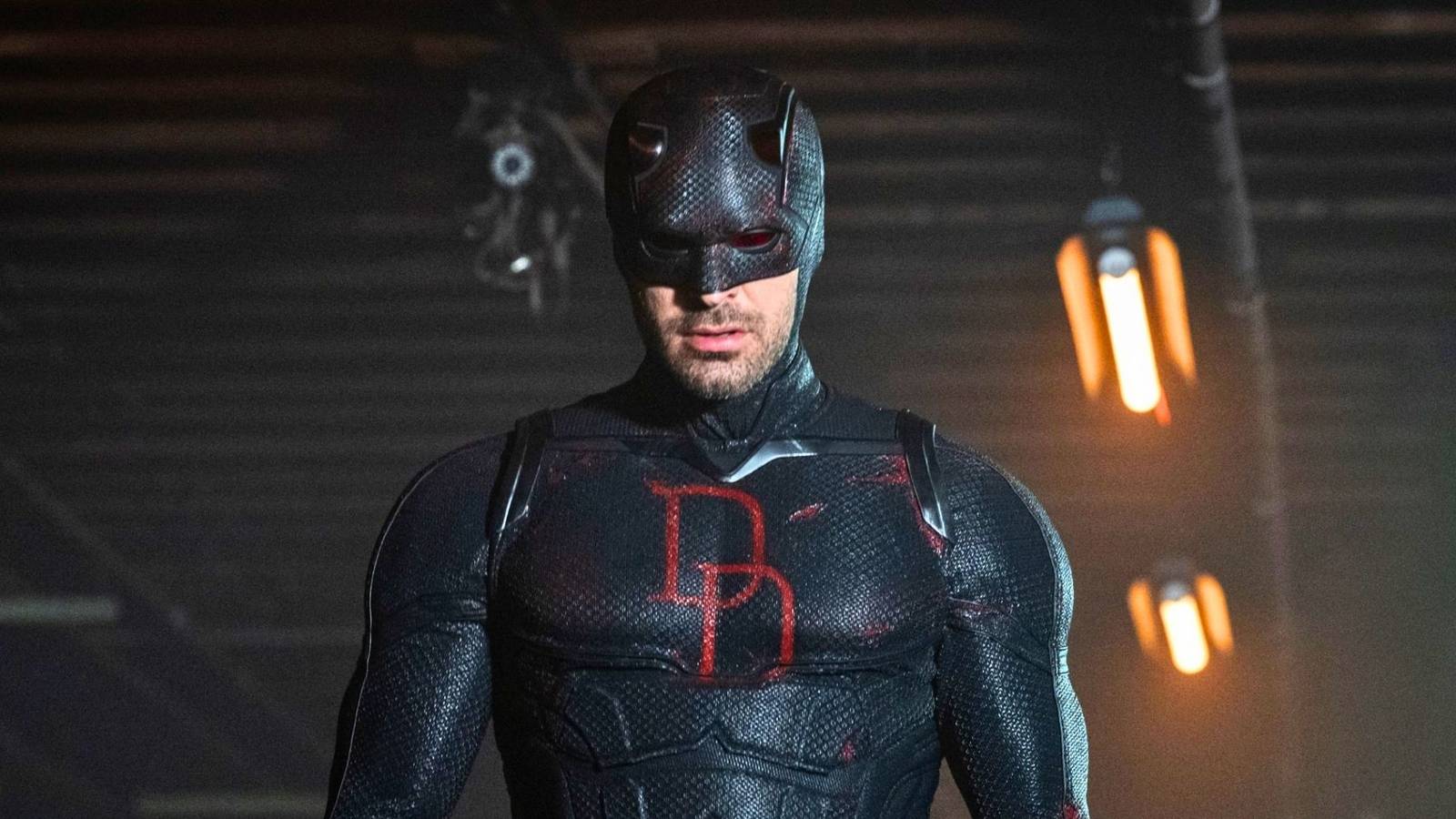
Published Oct 2, 2026, 9:01 PM EDT Amaya Rose is a TV Features Writer for Collider. Growing up with movies acting as a second pacifier, Amaya has always paid attention to visuals and audio. (She can recite pages of dialogue as fluently as her ABCs.) In college, she discovered an affinity for understanding filmic language and thinking critically about story. Off the clock, Amaya is a multimedia artist out of Richmond, Virginia. She is a self-taught jazz trombonist, music producer, visual artist, and photographer. Editing is a large part of what makes movies so unique, and this includes the (ironically) all-powerful one-shot sequence – a technique that presents action in one continuous shot, sometimes using hidden edits. Most people will recognize the term “oner” by association with such films as The Shining, Goodfellas, Birdman, and 1917 for their innovative and extensive usage of the technique. But when it comes to the effectiveness of one-shot wonders in the visual storytelling industry, television actually has the upper hand. In 2026, streaming continues to show how much a single uninterrupted sequence can accomplish. The Small Screen Is Where the One-Shot Truly Belongs Television has a much greater capacity for keeping audiences engaged in longer, episodic stories by the use of one-shot sequences. Since a series is broken up into individual plots that follow each other in a timeline, TV shows can take better advantage of one-shots because audiences are better able to respond to the emotional highs and lows of one day or one moment out of the full story in real time. This also means that viewers can anticipate a planned and presumably less rushed continuation of the story, upholding the short-form storytelling aspect particular to TV. The One-Shot Is Dominating Television Right Now Image via Lionsgate Television Netflix’s emotional limited series Adolescence is expertly built on the technique, as each of the series’ four episodes presents scenes whose subjects alternate within one continuous shot. Through carefully timed blocking, seamless camera trade-offs, and performances from an ensemble full of excellent dramatic actors, the audience is exposed to a balance of character and plot developments within the same hour-long stretch of Jamie Miller’s (Owen Cooper) riveting story. The one-shot aspect of Adolescence submerges the viewer into the abruptly uprooted reality of the Miller family, which is imperative in connecting the audience to the characters as effectively as possible. Marvel’s Daredevil franchise has claimed the one-shot as a staple, with deliberately staged one-take sequences. The Daredevil one-shot fight sequences likewise consistently bring a heightened level of drama to the series, as they require impressive amounts of choreography by the actors and the crew in order for the scene to remain both exciting and believable. That tradition continues in Daredevil: Born Again Season 2, Episode 3, where Matt teams up with the Swordsman to battle the Anti-Vigilante Task Force. The continuous-shot prison break makes the audience follow every movement through the confined space, turning the rescue into another demonstration of the technique’s immersive power. Meanwhile, much akin to 2024’s Saturday Night, Apple TV+’s workplace comedy The Studio uses the oner technique to send the audience into whiplash with newly-promoted studio head Matt Remick (Seth Rogen), as he navigates the emotional extremes of running a film studio while trying to uphold the integrity of what it means to be a filmmaker. From making Martin Scorsese cry, to getting on Ron Howard’s bad side, to absolutely ruining film shoots with his enthusiasm, the one-shot especially puts us in Matt’s shoes as he makes delicate decisions between the lesser of two evils. Following the series from Matt’s perspective lets us in on how difficult it is to be a serious artist in a position surrounded by money, and doing so via the one-shot technique gives us the full experience of just how regrettable the consequences of those delicate decisions can get. One-Take Sequences Give Actors More Opportunity To Act on Set In addition to being massive editing feats, one-takes also make room for actors to show off their skills at a longer length. With TV adapting to the cinematographic language of movies over the three-camera studio setup, series shoots are run much more like those of the average film set. Working on a film set breaks an actor’s performance into several pieces, which is something that several actors, who commonly come from a background in live theater, would describe as a difficult task. Fortunately, the one-shot technique allows actors to perform in fewer, less isolated sets of scenes, and it will enable them to demonstrate their talents for acting and reacting. Also, due to the key element of a single point of view throughout the shot, the reduced amount of camera coverage puts a certain level of accountability on the entire call sheet of actors who are set to appear in the shot to legitimately interact with their acting partners. With so much performative responsibility on the table, audiences and critics alike can get a more serious look at the skill sets of actors who call the small screen their home. More often than not, movie stars are the ones to go home at the end of the day with the most recognition for their part in a project. But the evident increase in TV one-shots means that stronger opportunities are opening up for television actors to show off their range in one sitting. And most importantly, one-shots consequently make an undeniable display of the collaborative aspect of filmmaking that typically (and understandably) gets trumped by the sheer presence of leading actors. Move Over Movies – TV’s Got One-Take Sequences Covered From Here Image via FX The Severance Season 2 premiere picked up from Season 1’s unbelievable cliffhanger and appropriately kicked off with a one-shot following Mark S. (Adam Scott) through the maze of Lumon’s cold, sterile office hallways. And need we remind you of The Bear’s intense and uncomfortable Season 1 oner episode – you know, the one where Carmy (Jeremy Allen White) smacks a perfect donut out of Marcus’ hands and Richie gets stabbed? The list of memorable one-take moments is growing, and it’s time for film to accept a backseat to TV in the development of the one-shot sequence. Television has proven itself worthy to take the cake when it comes to compelling storytelling through the one-shot technique. One-shots are immersive by nature, and they offer some restoration to the values of theater and live performance. These complex sequences require substantial amounts of rehearsal and choreography, which, when executed well, can yield numerous opportunities for studios and showrunners to impress audiences thoroughly. Adolescence Release Date March 13, 2025 Network Netflix Directors Philip Barantini Writers Stephen Graham, Jack Thorne In Adolescence, a four-part Netflix drama, the Miller family's life is upended when 13-year-old Jamie is accused of murdering a classmate. Filmed in a continuous shot, the series delves into the ensuing investigation, exploring themes of family, truth, and justice. The Studio Release Date March 25, 2025 Network Apple TV+ The Studio: This series explores the challenges faced by a legacy Hollywood movie studio struggling to balance art and commerce. It delves into the complex dynamics within the industry as the studio endeavors to survive in a rapidly evolving entertainment landscape. Daredevil: Born Again Release Date 2025 - 2027-00-00 Network Disney+ After Charlie Cox's cameo appearance in Spider-Man: No Way Home and supporting role in She-Hulk: Attorney at Law, Daredevil: Born Again gives Matt Murdock his first show set in the Marvel Cinematic Universe. Daredevil: Born Again continues the story that started in Netflix's three-season Daredevil series and sees Wilson Fisk ascend to mayor of New York City.
‘Daredevil’ and Streaming’s Greatest Shows Just Mastered Hollywood’s Hardest Trick
Full Article
Original Source
Read the full article at Collider →KhanList aggregates and links to publicly available news content. We do not host full articles from third-party sources. Always verify important information with original sources.