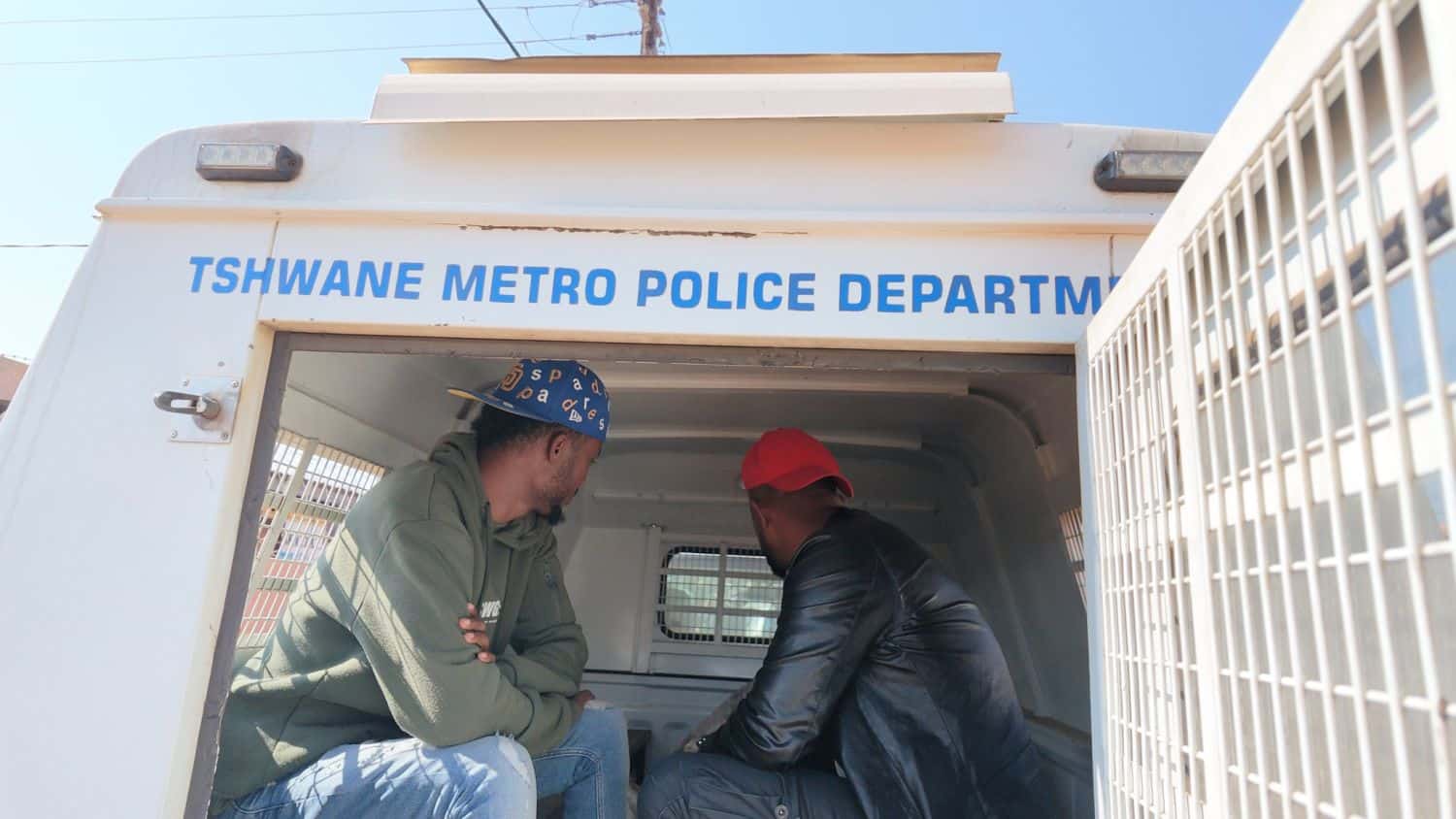
The operation aims to ensure compliance, protect public health and safety, and restore order in areas where illegal business practices have taken root. The City of Tshwane has intensified its crackdown on non-compliant businesses in Ekangala, with Mayor Dr Nasiphi Moya leading a multi-agency by-law enforcement operation that has uncovered a string of alleged illegal activities, including an unlicensed mortuary operating behind a spaza shop, unlawfully built backrooms and a suspected fraudulent identity document. The operation forms part of the metro’s efforts to enforce municipal by-laws, the Immigration Act and the Labour Relations Act, with many of the businesses inspected allegedly being operated by foreign nationals. Authorities said the inspections have exposed widespread violations of municipal and national legislation, prompting enforcement action against businesses found to be operating outside the law. The city has maintained that the operation aims to ensure compliance, protect public health and safety, and restore order in areas where illegal business practices have taken root. We discovered a mortuary operating in the same property as a spaza shop in Enkangala. The mortuary had continued operating despite a previous prohibition order. We have once again issued a prohibition notice and shutdown the business. The spaza shop was also closed.… https://t.co/sGqUb04AuG pic.twitter.com/rXBERHWNuJ — Dr Nasiphi Moya (@nasiphim) July 29, 2026 Inspection of spaza shops The mayor inspected a number of spaza shops on Wednesday in the area, where she found that some owners do not have the required papers. At one store, Moya questioned the validity of the papers. To legally operate a spaza shop, individuals must register their business with the Companies and Intellectual Property Commission (CIPC) and obtain a municipal trading licence, a Certificate of Acceptability for food safety from local environmental health, and clearance from local town planning and tax authorities. In a video posted on the mayor’s official social media page, it is outlined that officials were told there is nothing inside a certain building in the area, but upon inspection, alcohol was found inside the fridges, including money in a book. Law enforcement agencies, the South African Police Service (Saps) and Tshwane Metro Police Department (TMPD), confiscated all the alcohol. Suspected fake ID found While the inspection of the building was underway, a green barcoded ID book, suspected to be fake, was found. “A tracking number will be used to identify the original owner with the Department of Home Affairs,” said Moya. President Cyril Ramaphosa previously announced the phasing out of the green barcoded ID books as they have been heavily exploited for identity theft and fraud by undocumented immigrants and criminal syndicates. At a different spaza shop, two foreign nationals were arrested for failure to produce immigration documentation. According to the mayor, Eskom also disconnected the electricity supply at the spaza shop, which was then closed for non-compliance. Suspected counterfeit medication was also confiscated. A foreigner was found hiding in the ceiling during inspection. Picture: X/@nasiphim Mortuary, spaza shop all in one The team found what seems to be a mortuary in the same yard as a spaza shop. In the video, six mortuary refrigerators could be seen, including a coffin. No bodies were found inside the refrigerators, however, they were on. In the post, the mayor said the mortuary had continued operating despite a previous prohibition order. “We have once again issued a prohibition notice and shut down the business. The spaza shop was also closed.” The inspection of several businesses in Tshwane follows a joint labour enforcement operation between the city and the Department of Employment and Labour. This is to ensure that businesses within the municipality comply with labour and immigration laws. “Employers should verify that all employees are South African citizens or foreign nationals who hold valid permits authorising them to work in the country,” said Moya. Upholding the law Moya added that the purpose of these operations is to protect workers, uphold the rule of law and create a level playing field for businesses. “Law-abiding employers should not be placed at a disadvantage by those who gain an unfair advantage through unlawful employment practices. “The city is equally committed to creating more employment opportunities. Through the Tshwane Economic Revitalisation Strategy (TERS), the city is investing in infrastructure, attracting investment and supporting business growth to achieve average annual economic growth of 3.9% and help create more than 80 000 jobs by 2029.”
City of Tshwane discovers a mortuary operating in the same property as a spaza shop
Full Article
Original Source
Read the full article at Citizen →KhanList aggregates and links to publicly available news content. We do not host full articles from third-party sources. Always verify important information with original sources.