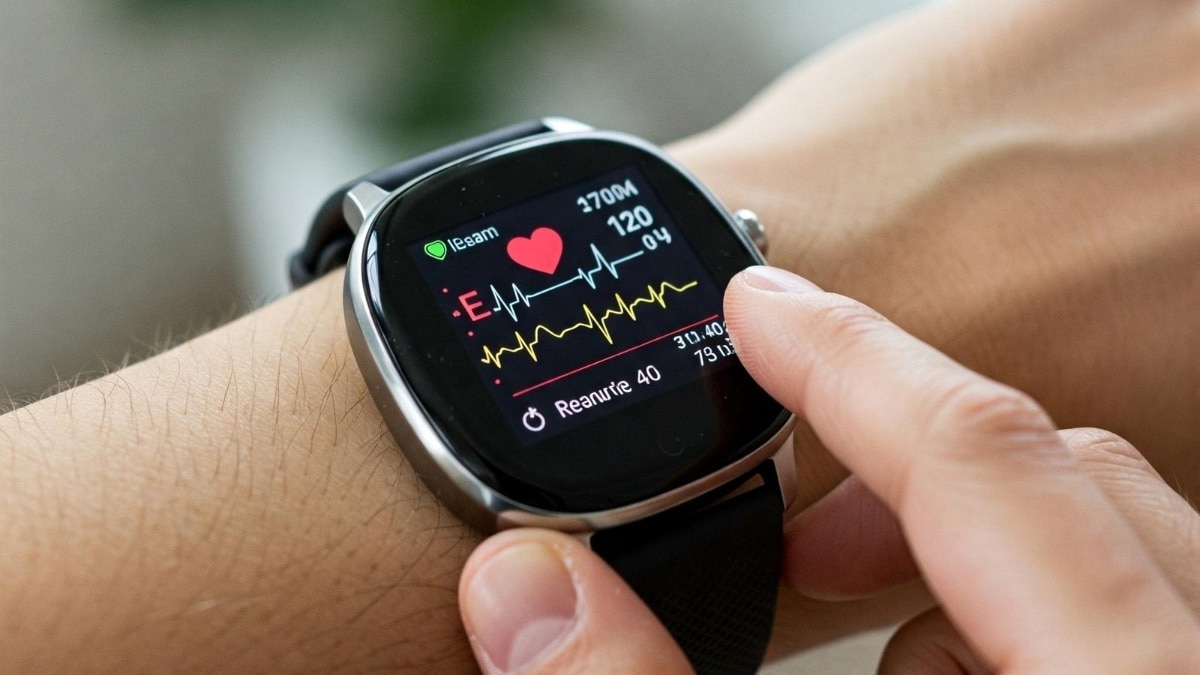
Dr Christopher Granger explains how smartwatches and portable ECG devices can help flag atrial fibrillation. He says the technology cannot confirm the condition but may prompt earlier care and reduce stroke risk.Wearables, smartwatches and digital heart rhythm monitors are transforming atrial fibrillation detection.A smartwatch buzzing with an irregular heartbeat alert may do more than track your fitness – it could help detect a potentially dangerous heart rhythm disorder before it leads to a stroke.As atrial fibrillation (AF) often develops without noticeable symptoms, cardiologists say digital health technologies, including smartwatches and portable ECG devices, are becoming valuable tools for identifying the condition earlier and prompting timely medical care.Speaking to India Today Digital, Dr Christopher Granger, Fred Cobb, M.D. Distinguished Professor of Medicine at Duke University School of Medicine, said wearable technology is helping bridge one of the biggest gaps in atrial fibrillation care – detecting the condition before complications occur.SMARTWATCH MORE THAN A FITNESS TRACKERAccording to Dr. Granger, people with atrial fibrillation may experience symptoms such as palpitations, a racing heartbeat or shortness of breath. But many have no symptoms at all, allowing the condition to remain undiagnosed until a serious event such as a stroke. This is where wearable devices can play an important role."Many people now wear devices like the Apple Watch, Samsung watch or Fitbit that monitor heart rate," he said. "If a person's resting heart rate suddenly increases or the watch generates an irregular rhythm alert, it should not be ignored and should be evaluated by a doctor."TECHNOLOGY CAN RAISE SUSPICIONWhile smartwatches can alert users to abnormal heart rhythms, Dr Granger emphasised that they cannot diagnose atrial fibrillation on their own.He said a simple pulse check during a routine doctor's visit remains one of the easiest ways to screen for the condition. If an irregular pulse is detected, an electrocardiogram (ECG) is needed to confirm the diagnosis.He also highlighted portable ECG devices such as AliveCor (Kardia), which allow users to record their heart rhythm during symptoms and share the results with healthcare professionals for further evaluation.DIGITAL HEALTH CAN IMPROVE EARLY INTERVENTIONFor cardiologists, the biggest promise of wearable technology lies in encouraging people to seek medical advice sooner.Early diagnosis allows doctors to begin appropriate treatment, including medications to reduce stroke risk and therapies to control heart rhythm when needed. Although technology cannot replace clinical evaluation, Dr Granger believes it can serve as an important first step in recognising atrial fibrillation before it causes life-altering complications.This growing role of consumer health technology, experts say, could make atrial fibrillation detection more accessible, especially for people who might otherwise remain unaware that they have the condition.- EndsPublished On: Jul 27, 2026 15:30 IST
Can your smartwatch detect Atrial Fibrillation? Cardiologist explains how
Full Article
Original Source
Read the full article at Indiatoday →KhanList aggregates and links to publicly available news content. We do not host full articles from third-party sources. Always verify important information with original sources.