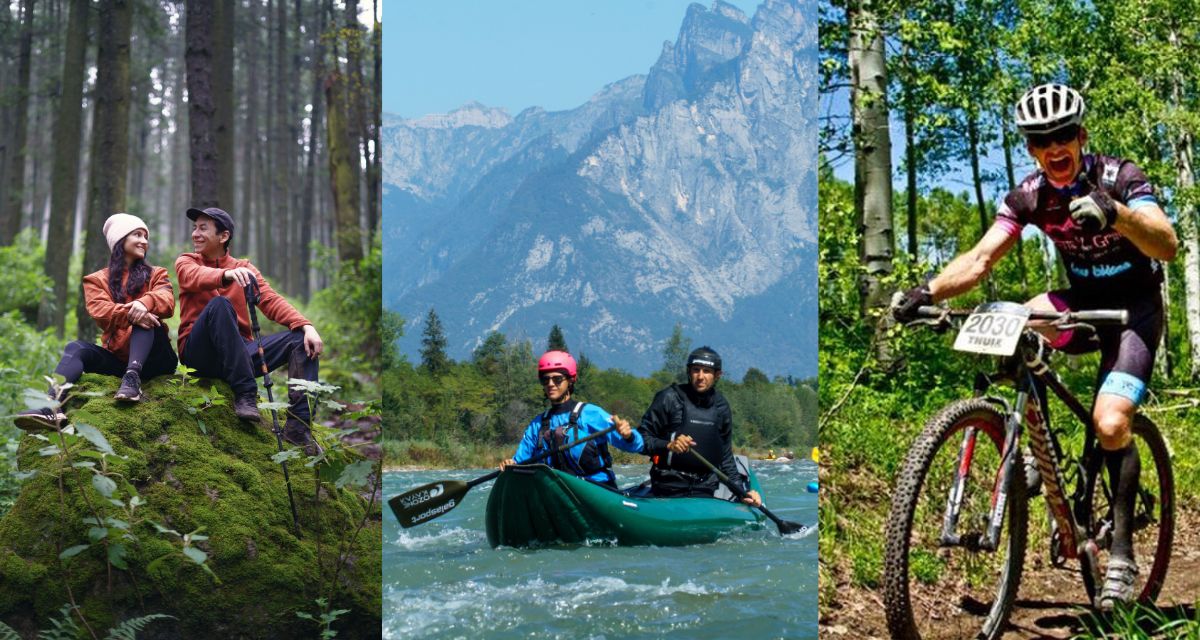
Picture this: You’re halfway up a steep hiking trail. Your lungs are burning, your heart rate is climbing. Then rain suddenly pours from the sky, seeping through your “waterproof” jacket. Your buddies promised this would be a “fun” adventure, but now you’re questioning every decision that brought you there. In that moment, you’re undeniably miserable. Yet three days later, you’re showing everyone photos of the view, beaming, and looking forward to getting back out there to do it all again. If that sounds familiar, there’s a reason why: you’ve just experienced a psychological phenomenon known as “Type 2” fun. Every activity falls into a type of fun First, let’s break down the differences. “Type 1” fun is pure, uncomplicated enjoyment in the moment. Think eating ice cream, watching a movie, or lounging on a beach. It’s casual, low-effort, and comes with an immediate reward. “Type 2” fun shifts the dynamic. It’s an activity that requires effort—and maybe even a little discomfort—in the moment. Think backpacking deep in the woods, downhill mountain biking, or learning a physically and mentally demanding new skill. Sure, you might feel a little miserable while you’re in the thick of it, but once you’ve accomplished it, the experience can feel downright glorious. “Type 3” fun ups the ante. This is where legitimate danger comes into play, often in a formidable environment. Think BASE jumping, free solo climbing, or other extreme adventure activities. “Type 3” fun may pave the way to an adrenaline-junkie lifestyle—or help you discover exactly where you draw the line. It’s the kind of adventure that’s only “fun” to a select few. The ultimate life hack for mental resilience Pushing yourself to your physical or mental limits isn’t for everyone, but seeking out a little “Type 2” fun can be a game-changer for your mental well-being. According to psychologists like Jennifer L. Hughes, when we engage in activities that test our limits, we trigger a process known as “growth through struggle.” It’s all about the satisfaction of crossing the finish line—whether that’s literally completing a marathon or figuratively making it through a terrifying public speaking engagement. Overcoming an obstacle triggers a unique blend of positive neurochemical rewards in the brain. As a result, you’re more resilient the next time you face manageable discomfort. You know your brain—and your body—can handle it because you’ve done it before. That confidence doesn’t stay confined to one challenge; it spills over into everyday life. The sense of accomplishment that follows a “Type 2” challenge lasts much longer than the fleeting satisfaction of passive “Type 1” relaxation. It offers a deeper sense of gratification because you’ve pushed through discomfort or fear. “Type 2” fun also breaks you out of your daily routine, giving you a broader perspective on yourself and the world. Rewriting your relationship with discomfort In a world often obsessed with instant gratification, struggling through an activity can feel counterintuitive. “Type 2” fun reframes that mindset. Discomfort isn’t always the enemy—it’s often the price of admission to genuine personal growth.
Bored by the same activities? Try some ‘Type 2’ fun. The joy hits later, but lasts a lot longer.
Full Article
Original Source
Read the full article at Upworthy →KhanList aggregates and links to publicly available news content. We do not host full articles from third-party sources. Always verify important information with original sources.