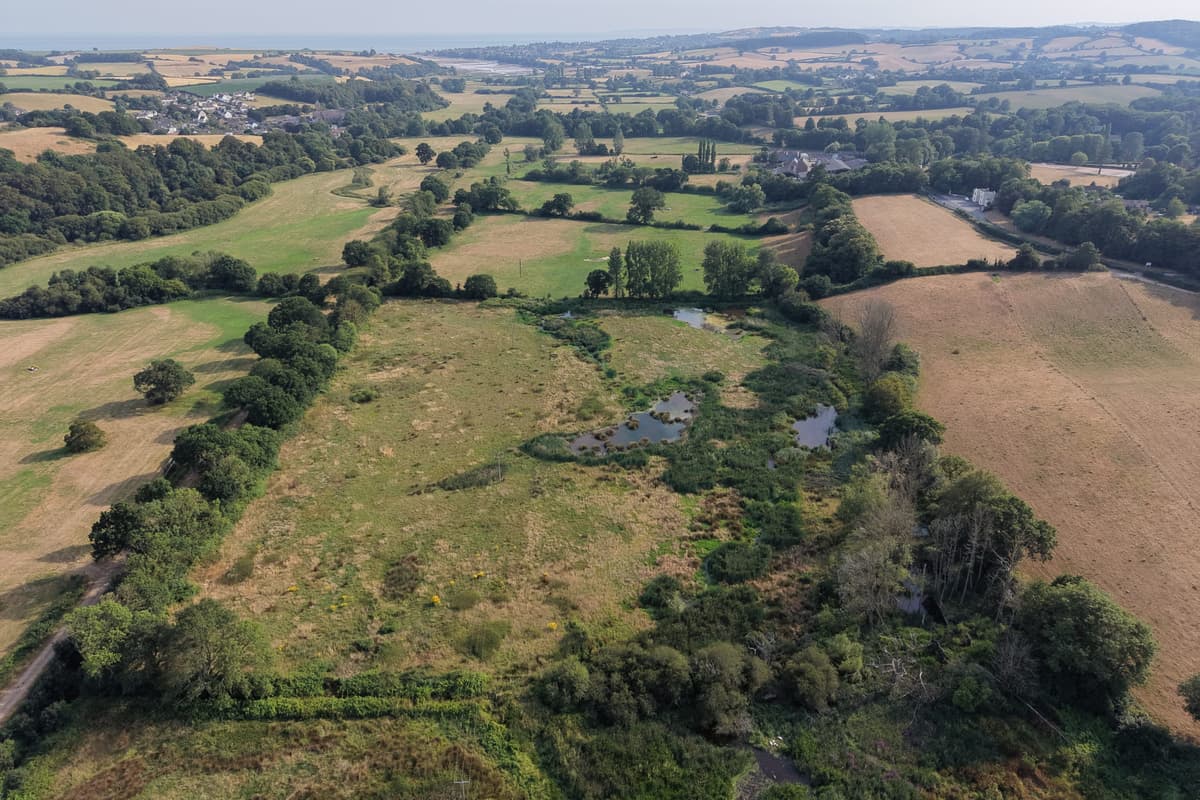
Beavers have created wetland areas that keep pockets of the landscape lush even in the drought that is currently gripping parts of England.An expert said the dams and ponds created by the beavers, which – like humans – engineer the landscape to suit them, hold water and slow its flow, providing a refuge for wildlife struggling in the otherwise parched countryside.The wetlands can also provide grazing and water sources for livestock, maintain river flows so that water can be abstracted, protect against sudden floods if heavy rain washes rapidly off baked, hard ground – and can even provide a firebreak if wildfire breaks out.Beavers were once widespread in Britain, but were hunted to extinction about 400 years ago.Beavers are now living wild in a number of river catchments in Britain (Ben Birchall/PA)PA WireBut the semi-aquatic mammals have made a comeback, through licensed reintroductions, introduction into enclosures, escapes and unlicensed releases, and are now living wild on a number of rivers across Britain.Aerial images of the river Otter catchment in Devon, where beavers have been living under a licensed trial scheme since 2015 and known to have been there before then, show how their activities have created wetlands with lush vegetation, even as the landscape around has become parched.Drought was officially declared in Devon, as in many areas of England, on Wednesday, and parts of the county have not experienced a day with rain for 50 days.Beaver wetlands in Devon, where there has been little or no rain for weeks (Alan Puttock/University of Exeter/PA)Dr Alan Puttock, from the University of Exeter, said modern landscapes tended to be extensively drained, so water ran off quickly when it rained, raising the risk of flooding and leaving “not much water” in the landscape in dry periods.With the beaver wetlands, there is “the benefit of holding water, maintaining wetlands within the environment, and the benefit that has both for biodiversity – these are habitat refuges now for a whole range of species – but also for us as people.”The wetland ponds hold 1,000 cubic metres of water each, reducing peak flows by 30% and keeping it in leaky dams which release water slowly, maintaining rivers and increasing drought resilience, he said.“One beaver wetland won’t solve all of our drought problems,” he said.“But overall, as beavers expand in our landscapes, and also as we do other nature-based solutions or wetland creation schemes – overall increasing that resilience in the landscape – it does mean that we are less prone to droughts.”Beaver ponds in the landscape hold water, provide a refuge for wildlife and help with drought resilience (Alan Puttock/University of Exeter/PA)And as extreme drought increases the risk of wildfires in the British countryside, evidence from the US shows that beaver wetlands can help provide a firebreak to hold back wildfires.Read More“Having these wet landscapes can provide that firebreak,” he said.
Beavers create wetland areas that stay green and boost resilience in drought
Full Article
Original Source
Read the full article at Standard →KhanList aggregates and links to publicly available news content. We do not host full articles from third-party sources. Always verify important information with original sources.