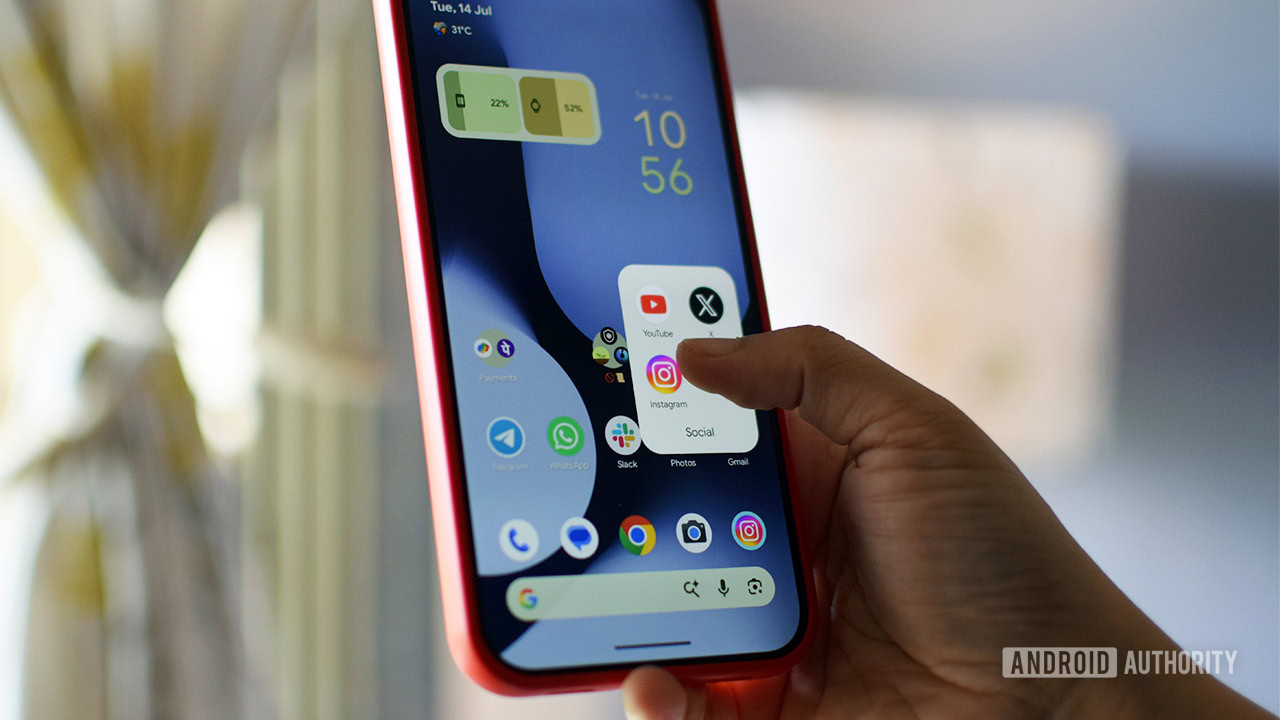
The stable version of Android 17 finally dropped in June 2026 for Pixel phones, adding a bunch of great new features. However, in typical Google fashion, not every Android 17 feature announced during Google I/O is available yet. One of the big ones that’s yet to arrive is Pause Point, a new Digital Wellbeing tool designed to help you break the habit of autopilot app use or doomscrolling.What sets Pause Point apart from Android’s existing Digital Wellbeing tools is that, rather than locking you out of the app from the get-go, it takes a slightly different approach by giving you a 10-second breather to reflect on your intention for opening the app in the first place. Pause Point also lets you set a usage timer and even suggests alternative apps to better utilize your spare time. The coolest part, though, is that disabling it requires you to restart your phone, which means it’s not so easy to disable Pause Point and jump back to your old habit.Pause Point is said to arrive “later this year,” which could mean anything from the next Pixel Drop update in a month to even the end of this year. The good news is that you don’t have to wait for Pause Point in order to curb your time-wasting phone habits.Here are three things you can try right away in order to take control of your doomscrolling addiction.Are you looking forward to Android 17's Pause Point feature?0 votesDelete app shortcuts and limit notifications for the main culpritsThe first step to combat autopilot app use is to accept that you have a problem and identify the main time-wasting apps on your phone. These are usually the one-thumb scrollers like TikTok or Instagram. In order to combat any addiction, we need to first create ‘friction’ to the access point. For apps, there’s a good chance that you have many shortcuts sitting right on your homescreen.Deleting the shortcuts of the distraction apps or placing them in folders so there’s more friction for unintentional use has actually been scientifically proven to work. The temptation to open these apps automatically becomes less if they’re not in plain sight when you unlock your phone. I’ve put this to the test myself with regard to food ordering apps. Over the past few weeks, I’ve noticed a big drop in the number of times I’ve ordered-in food simply by removing the app shortcuts from the home screen.In addition to the app shortcuts, it’s also advisable to disable or limit notifications from such apps. In Android, you can now drill down and fine-tune which notifications you want to receive and which you want to block.Joe Maring / Android AuthorityTo do this, simply long-press the app icon in question and tap the ‘i’ symbol. On the next page, tap Notifications. You can either disable all notifications or mute specific ones under Notification categories. Unlike apps like Gmail or chat apps, where you’d likely get important notifications that require your immediate attention, time-wasting apps can wait.If these two things aren’t really helping you, it’s time to explore the various tools built into Android’s Digital Wellbeing feature.Set up and use Focus mode, app timers, and screen time remindersGoogle already has a bunch of tools in the Digital Wellbeing app to combat screen addiction, and it’s high time you put them to good use. While these tools are designed to create friction during app usage so you’re intermittently reminded of how long you’re using the app, they are also very easy to dismiss or disable, making it easy to fall back to old habits. We’ve done a detailed guide on how to use these tools in the past, but I’ll quickly run through some of the main ones since some of the options and layout have changed in Android 17.Look for the Digital Wellbeing section in your Settings app and open it. Under Ways to disconnect, you’ll see all the tools you can use to limit app usage.With App Timer, you can set a timer for how long you should use the app each day. Once the timer runs out, the app will be grayed out. This isn’t the most effective, though, as if you still open the grayed-out app, all you get is a warning message, and this can be easily dismissed by tapping Unpause app for full control again.Focus is a bit stricter and easier to set up, as it lets you select multiple apps at once and set a pause schedule for the entire week. Here, you can skip the weekends if you feel you don’t want restrictions on your days off. The one advantage of Focus is that if you open a paused app, it allows you to use it for five minutes, but not unpause it permanently. For the latter, you need to go to the main Wellbeing page and disable it.If you want something less obtrusive, enable Screen time reminders. This is enabled for all apps on your phone by default. As the name suggests, it merely shows you a pop-up bubble of how long you’ve been using the app. It doesn’t lock you out or anything, but simply keeps you mindful of how long you’ve been using the app.Try these specialized third-party appsIf self-restraint and default Android tools are still not enough, it’s time to bring out the big guns. One sec is a neat little app that has a feature similar to Pause Point: it asks you to take a deep breath before giving you the option to either continue using the app or close it.It also shows you stats like how many times you’ve opened the app in the last 24 hours, for a bit of a reality check. There are no ads, but the free version is limited to monitoring only one app. The Pro plan for $20 annually unlocks all the features, including unlimited app monitoring, time tracking, and lots more.For combating the endless scroll of Instagram Reels or YouTube Shorts, try ScrollGuard. This free app actively prevents you from opening the Reels or Shorts tab in the respective apps, while the anti-scroll feature displays a giant black box in sections with infinite scroll.You can get a lifetime license of ScrollGuard Pro for under $20, and this unlocks per-app Shorts controls, custom threshold settings for anti-scroll, and the ability to view Reels from friends without triggering the blocker.Finally, there’s Forest, which gamifies your focus sessions by planting and growing virtual trees. Every successful focus session where you don’t switch apps or get distracted helps your tree thrive, but end the session early to move away from the app for too long, and the tree starts to wither.This is more of a mindfulness app than a blocker, with a well-designed interface and fun challenges to complete.Breaking the habit is easier once you set your mind to itSmartphone manufacturers have been trying various tricks to curb app addiction for years. Zen Mode (now Zen Space) was a big deal on OnePlus smartphones around five years ago, and it seems Samsung is doubling down on this with its upcoming tool in One UI 9 beta. According to a recent survey from the American Academy of Sleep Medicine (AASM), over one-third of adults (mainly younger adults) admit that doomscrolling at night has adversely affected their sleep. Even the older generation is reportedly not immune to the alluring glow of the smartphone screen.It’s no surprise then that Google is once again focusing its efforts on bringing yet another tool to help users battle this addiction. Pause Point, hopefully, should offer a more forceful and better integrated approach to battling doomscroll addiction. But until this feature arrives, there are still plenty of precautions to take, provided you’re ready to commit.Thank you for being part of our community. Read our Comment Policy before posting.
Android 17’s best feature isn’t out yet — here are 3 ways you can replicate it right now
Full Article
📰 Original Source
Read full article at Androidauthority →KhanList aggregates and links to publicly available news content. We do not host full articles from third-party sources. Always verify important information with original sources.