
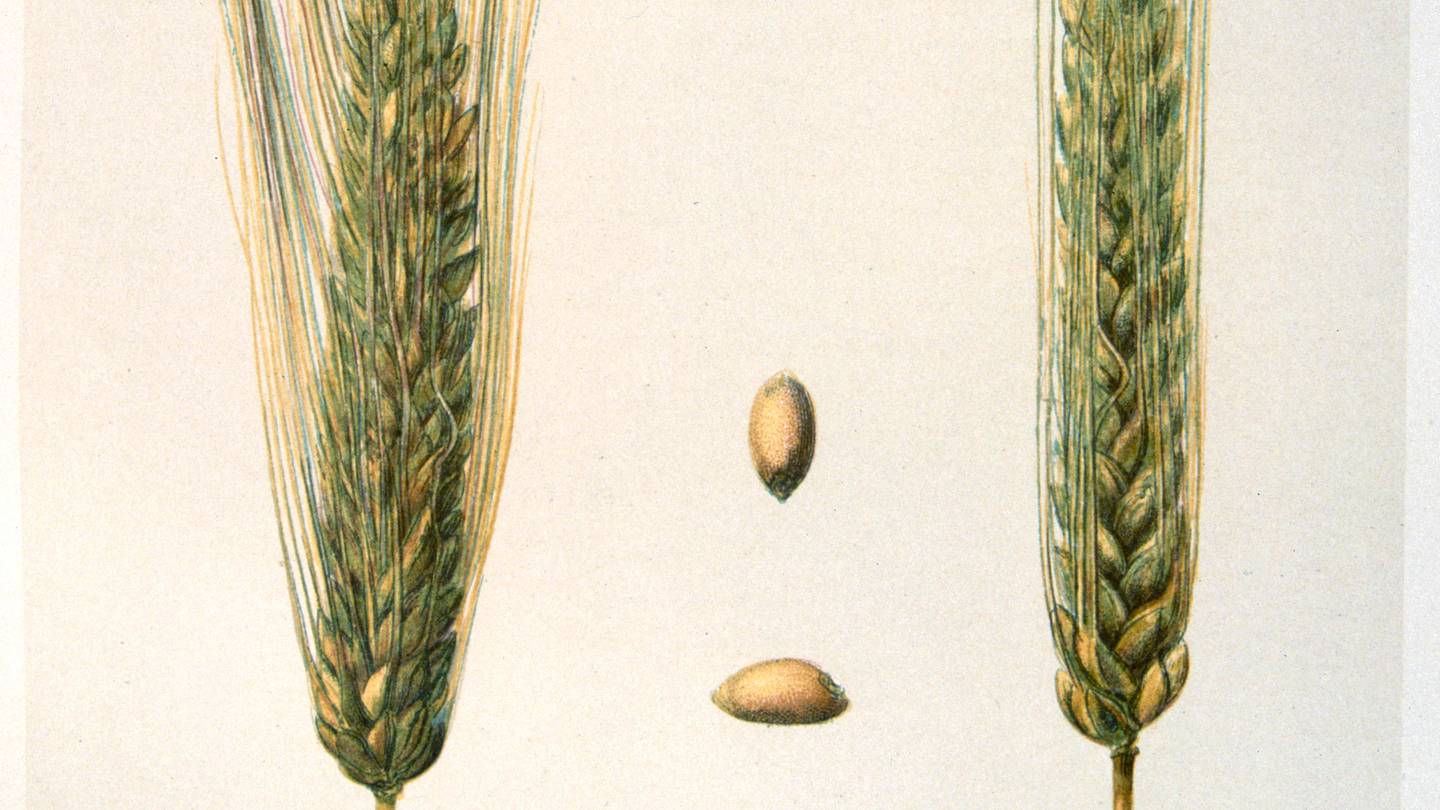
Claudio Grossi was almost certain that the mysterious sack of seeds would never sprout.The farmer was cleaning the attic of his home in Parma, Italy when he stumbled upon the bag, which was full of seeds he did not recognize. He figured his great-grandfather, who founded the family farm in 1915, must have left the seeds behind. Withered and desiccated, they seemed beyond saving.Even so, he told Smithsonian Magazine, he brought them outside, tossed them into a pile of manure, and went on with his day. Then they sprouted. What emerged was a grain that seems to have been mentioned in the Bible, and that may help farmers better withstand drought and other consequences of climate change.A seven-eared stalkSunset wheat golden field in the evening. Growth nature harvest. Agriculture farm. | maxbelchenko / Envato When the crop emerged, Grossi was amazed to find that it towered over all other kinds of wheat he’d ever known. Even stranger was the fact that while all the varieties of wheat he was familiar with had just one ear, this crop had seven. Ears are the grain-bearing tips of wheat stalks where kernels develop. For centuries, ears of grain have been seen as symbols of abundance, fertility, and the fruits of labor. The farmer could not find evidence of the crop’s existence in any book. Then, while reading the Bible at church, he came across a passage in Genesis that described a dream that the Pharaoh had Joseph interpret. “And he slept and dreamed the second time: And, behold, seven ears of grain came up upon one stalk, rank and good,” it reads. “And, behold, seven thin ears and blasted with the east wind sprung up after them. And the seven thin ears devoured the seven rank and full ears.”Figuring that the grain must be truly ancient given its mention in the Bible, Grossi continued to examine it. He realized that it could survive in harsher conditions and handled drought better than commercial wheat. It also did not seem to require fertilizer or pesticides. At first, though, it appeared to have a fatal flaw: it did not leaven well. But Grossi consulted an elderly local baker who still used his hands instead of machines to leaven dough. After a series of experiments, they ultimately realized that Grossi’s grain leavened best without much kneading at all. The resulting bread was fragrant and nutty. Grossi named his mysterious plant grano del miracolo, or “miracle wheat.”A miracle crop Ripe Wheat Ears In A Field | NurPhoto/GettyImagesFood scientists who examined Grossi’s discovery confirmed that the wheat was extraordinary. Beniamino Perobelli, who investigated the grain for his undergraduate thesis at the University of Parma, identified it as a type of wheat called Triticum turgidum. Known as “poulard wheat,” the crop originated in modern-day Turkey, Egypt, and surrounding areas, and had also once been grown in Italy. It also had more phosphorus, iron, and amino acids than modern commercial wheat.In the 1990s, when Grossi made his initial discovery, farmers around the world were already navigating the consequences of rising global temperatures, including droughts and flooding. Additionally, a common cluster of commercial wheat varieties created by agronomist Norman Borlaug in the mid-20th century had proven vulnerable to disease and required heavy fertilizer use. These chemicals damaged soil and made crops even more susceptible to droughts, hurricanes, and other consequences of climate change.The wheat that Grossi discovered, however, offers a more resilient alternative to weaker commercial brands. Researchers can also utilize lessons from its resilience in breeding programs to create even more sustainable grain varieties. Grossi’s miracle grain is not without issues; its great height can make it more vulnerable to extreme weather events, an issue he addressed by planting it alongside shorter varieties. Still, its benefits seem to outweigh its downsides. Droughts are becoming more common globally. In 2025, over half the world experienced a drought lasting more than a month, a 700% increase between 2016 and 2025. In 2024, Sicily saw one of its most severe droughts in decades, and many commercial wheat farmers were forced to abandon their bone-dry fields. But some farmers growing smaller batches of heritage grains were able to cultivate them successfully. Additionally, greater crop-type biodiversity is one of farmers’ most valuable defenses against climate change, as if one type of crop is decimated, others will remain. It all began with a sack left behind in an attic, waiting generations to be planted. “I’m quite happy,” Grossi told Smithsonian Magazine, “because I developed something that’s like a discovery.”
Ancient Italian "Miracle Wheat" Found in Attic Could Help Farmers Withstand Drought
Full Article
Original Source
Read the full article at Mentalfloss →KhanList aggregates and links to publicly available news content. We do not host full articles from third-party sources. Always verify important information with original sources.