
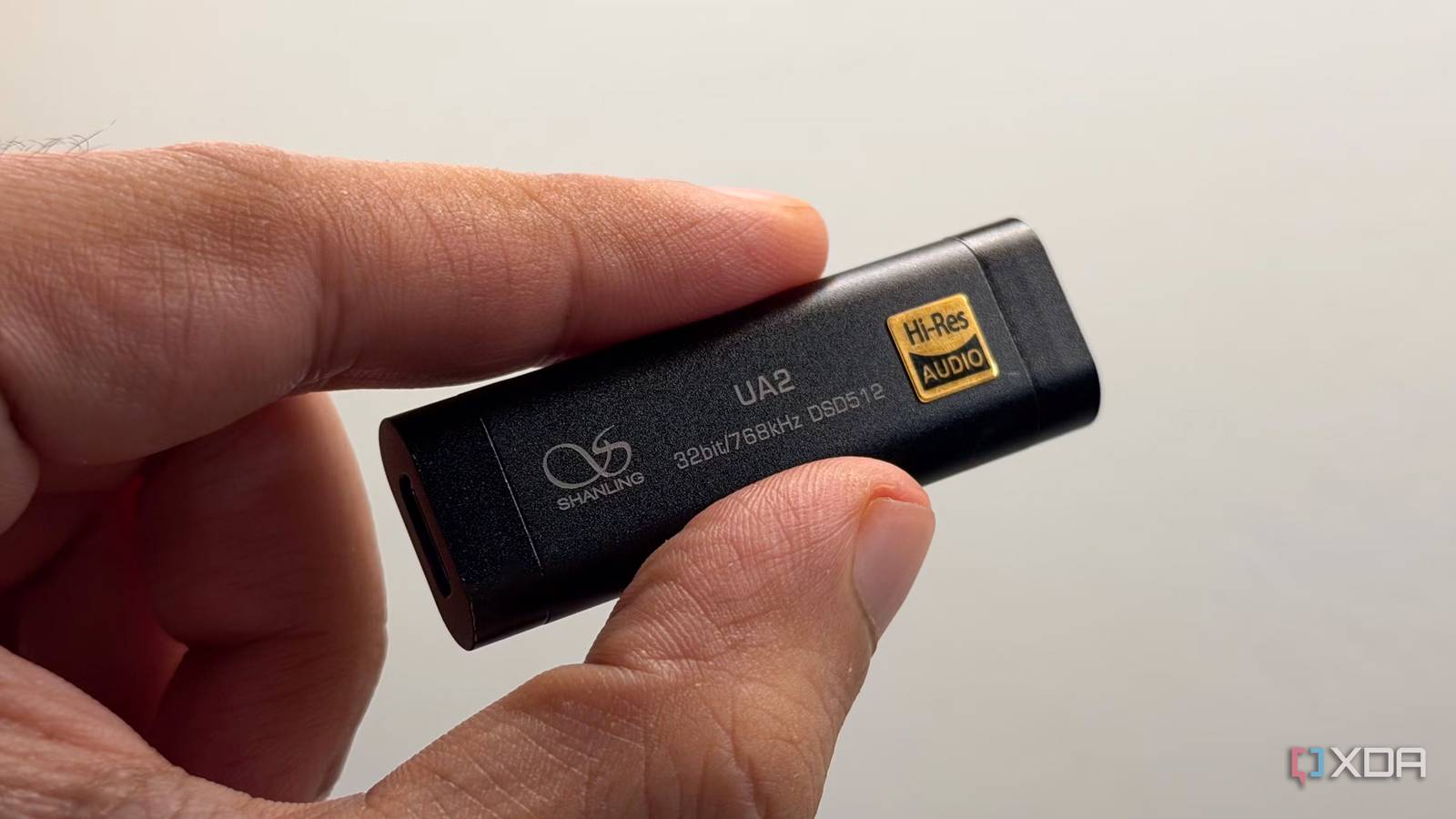
Published Aug 29, 2026, 11:30 AM EDT Dhruv Bhutani has been writing about consumer technology since 2008, offering deep insights into the personal technology landscape through features and opinion pieces. He writes for XDA-Developers, where he focuses on topics like productivity, networking, self-hosting, and more. Over the years, his work has also appeared in leading publications such as Android Police, Android Authority, CNET, PCMag, and more. Outside of his professional work, Dhruv is an avid fan of horror media spanning films and literature, enjoys fitness activities, collects vinyl records, and plays the guitar. Back in 2008, I bought myself a pair of Edifier speakers because they were widely considered some of the best you could get on a student budget. Fast-forward 18 years, and the speakers are still going strong. But what's changed is how I listen to music. Back then, streaming music was a novelty, and most of my music was just MP3 files on my computer. You know, before I discovered Navidrome or Lyrion. The problem today isn't the speakers. It's getting music to them. Most of my listening today happens through streaming services, local network storage, and apps that interact with those services. While I could absolutely replace them with a modern pair of wireless speakers, these do the trick just fine in a spare room. So, instead of tossing out perfectly good hardware, I decided to breathe new life into them. I took an old Android phone, connected it to a cheap USB DAC, and plugged the speakers into the DAC. That's all it took to bring modern streaming conveniences to a speaker straight out of 2008. Turn your old Android phone into a streamer A USB DAC bridges the gap Credit: The idea is simple. Any spare old Android phone is more than powerful enough to run any music streaming app. And since this smartphone isn't being actively used, using it exclusively for music listening is no hassle at all. So, I should be able to use it as a streamer for the speakers. That sounds almost too simple, and frankly, it is, but it solves a problem I run into repeatedly. I no longer have a fixed desktop, and I certainly don't want to plug in my laptop every single time I want to use my speakers. I could, of course, get a music streaming box like the Wiim Ultra as I have for my living room setup, but that's more money than I want to spend for a spare room. Using an old phone gives me a middle ground. The phone stays connected to Wi-Fi, connects to any streaming app I want and my self-hosted music server, and the moment I press play, it starts playing music. Easy as that. There's one more part to the equation that completes the setup. You see, modern smartphones don't include a headphone jack. Meanwhile, my speakers don't have Bluetooth. That's where a USB DAC comes in. I picked up a cheap USB DAC so I could connect my phone directly to my speakers using a standard audio cable. I wasn't aiming for high-definition audio, so I went for the cheapest option on the market. However, if you're using high-resolution speakers, you can opt for a higher-end option. The point is that the DAC is pretty much an afterthought. Android works with pretty much any standards-compliant DAC to output the analog signal required by an amplifier or powered speaker. It's all plug and play. Old doesn't have to mean obsolete Add modern streaming to analog speakers As someone who doesn't like to toss out tech just because it's old, I find this simple project appealing. My speakers are ancient, but they are perfectly functional. There is no reason why they can't have a second life, even if my listening sources have changed. In fact, the flexibility of older, analog speakers is what appeals to me most. All I needed to do to bring them up to 2026 standards was a convenient way to get modern audio sources into them. Using my old Android phone with a USB DAC does exactly that. But if you don't have an Android phone sitting around, don't fret because there are many other ways to achieve the same without blowing the bank. Using a Raspberry Pi as a streamer is one of the oldest projects in the book. It's something I recommend to every beginner tinkerer as a starter project. Combined with open-source software like Raspotify, you can convert any old Raspberry Pi into a Spotify Connect endpoint. Need something a bit more polished? A budget-priced streamer like the Wiim Mini offers commercial-grade app support and lets you stream Spotify, Tidal, Internet Radio, and even your own music library straight to your speakers. The beauty of these choices is that you can change the smarts at any point. If your phone gets too old, you can just swap it out, connect it to the DAC, and continue playing as normal. The same goes for other tools like the Pi, which can be flashed with your software of choice if your preference changes. Unlike speakers with built-in smarts, this setup is much more flexible. Give your old speakers a new lease on life I bought these speakers in a very different era of music listening, when everything was wired. But that doesn't change the fact that the speakers still sound great. The only thing that's changed is that my source of listening is now online or streamed from my own server, but that doesn't have to mean getting rid of perfectly functional speakers. A budget DAC paired with an Android phone can bring all those capabilities to any speaker you might have at home. iBasso DC03 USB-C DAC The iBasso DC03 is a popular DAC recommended by audio enthusiasts and is the perfect gateway to lossless audio on your Android device.
An old phone and a $10 DAC turned my dumb stereo into the best speaker I own
Full Article
Original Source
Read the full article at Xda-developers →KhanList aggregates and links to publicly available news content. We do not host full articles from third-party sources. Always verify important information with original sources.