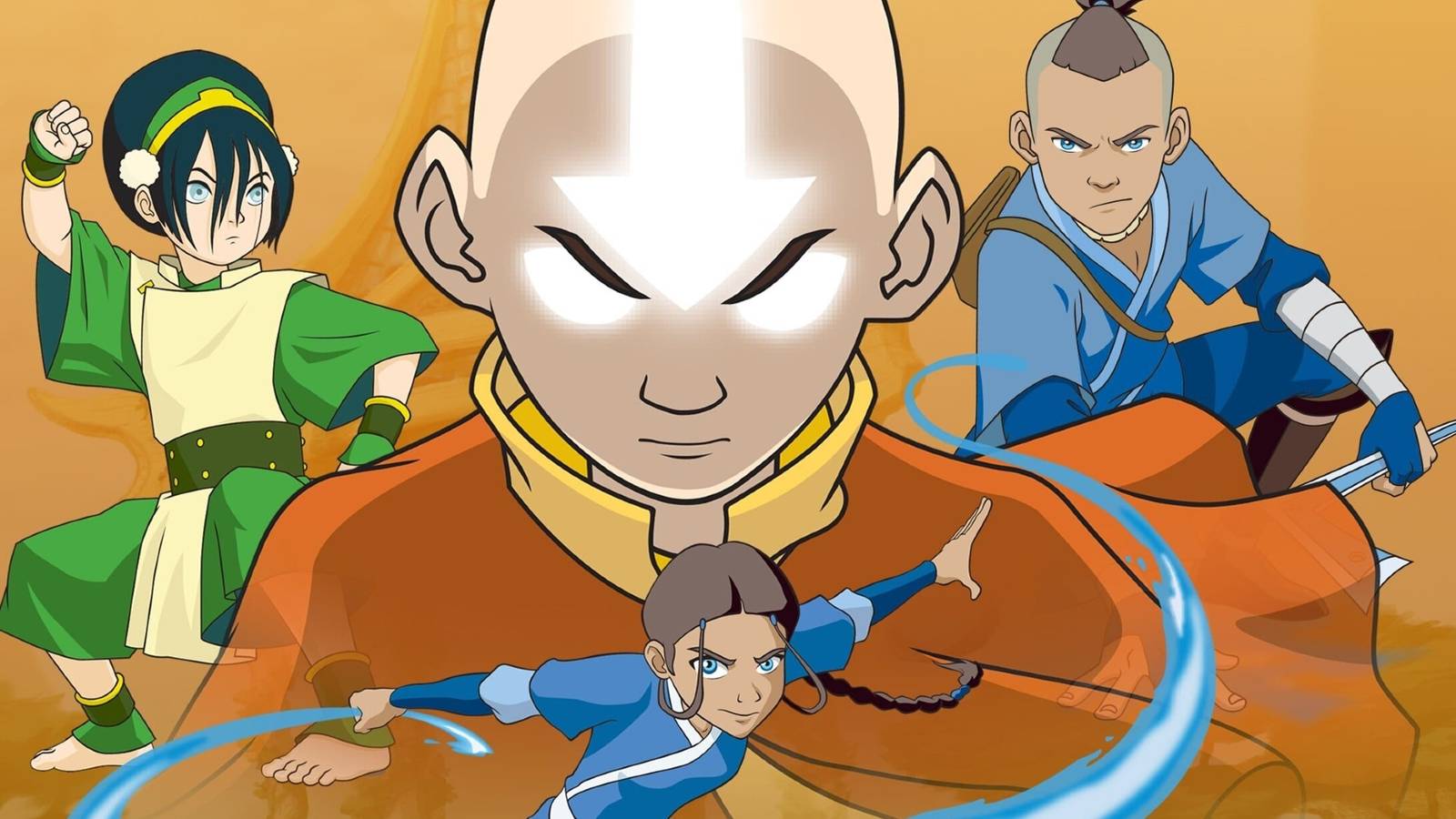
Published Jul 27, 2026, 12:05 PM EDT Senior Music Editor at Screen Rant, Sarah's love of sound and story drive the beat. A globetrotting brand whisperer and award-winning journalist, she’s built cross-cultural narratives around the world—but music has always been her true north. She launched DJ Mag North America, successfully introducing the iconic UK brand to the U.S. market. Previously, she carved a space for EDM inside the pages of VIBE, blending electronic and hip-hop culture long before it was trendy. Few animated franchises have built a world as expansive or emotionally resonant as Avatar: The Last Airbender. What began as a Nickelodeon series about a playful 12-year-old with an impossible responsibility has grown to include a sequel series, two live-action adaptations, and an animated movie reuniting audiences with an adult Team Avatar. That screen history has been far from consistent. The best Avatar projects balance martial arts-inspired action, detailed mythology, humor, and surprisingly mature explorations of war, identity, grief, and responsibility. The weakest reproduce familiar characters and locations without understanding why audiences cared about them. With Avatar Aang: The Last Airbender officially continuing the original animated timeline, there are now five major Avatar movies and television shows to compare. Ranked according to storytelling, characterization, visual execution, and their contributions to the larger universe, here is how every major Avatar screen project stacks up from worst to best. 5 The Last Airbender (2010) Custom Image made by Lewis Glazebrook M. Night Shyamalan’s The Last Airbender attempted to compress the entire first season of the animated series into a 103-minute movie. Noah Ringer played Aang, with Nicola Peltz as Katara, Jackson Rathbone as Sokka, and Dev Patel as Zuko. The cast was given little opportunity to develop those characters beyond delivering exposition and moving toward the next major plot point. The original series made bending feel fast, expressive, and deeply connected to each nation’s culture. The movie replaced that energy with cumbersome choreography and effects that rarely matched the movement surrounding them. Its joyless tone, controversial casting, mispronounced names, and rushed storytelling made the Four Nations feel strangely lifeless. More than 15 years later, it remains the franchise’s clearest example of how not to adapt animation into live action. 4 Avatar: The Last Airbender (2024–Present) Netflix’s Avatar: The Last Airbender immediately improved upon the 2010 movie by giving Aang’s journey room to unfold across multiple episodes. Gordon Cormier, Kiawentiio, Ian Ousley, Dallas Liu, and Paul Sun-Hyung Lee lead a committed cast, while the production design and visual effects create a convincing live-action version of the Four Nations. Season 2 expands the adaptation into the Earth Kingdom and introduces important characters including Toph. The increased scale helps the series feel more confident, but its persistent restructuring of the original story continues to flatten some emotional arcs and character relationships. Netflix’s version can be spectacular, and it contains enough strong performances to justify its existence. However, it still feels most effective when it comes closest to reproducing material that the animated series already handled better. 3 Avatar Aang: The Last Airbender (2026) Avatar Aang: The Last Airbender gives the franchise something fans have wanted for years: a major animated story featuring the original Team Avatar as adults. Set after the Hundred Year War but before The Legend of Korra, the movie follows Aang as he searches for an ancient power that could help preserve Air Nomad culture before it falls into dangerous hands. Eric Nam takes over as Aang, with Jessica Matten as Katara, Román Zaragoza as Sokka, Steven Yeun as Zuko, and Dionne Quan as Toph. The new cast faces the difficult task of honoring characters whose original voices remain deeply familiar to fans. The movie earns its placement above both live-action adaptations by returning to the continuity, visual freedom, and elemental action that made the franchise work. Seeing an older Team Avatar also gives the story emotional weight without simply recreating episodes audiences already know. However, one movie cannot match the narrative depth accumulated across multiple seasons, leaving the two completed animated shows firmly ahead. 2 The Legend Of Korra (2012–2014) The Legend of Korra takes place decades after Aang’s story and follows his successor, a headstrong Water Tribe Avatar voiced by Janet Varney. Korra arrives in Republic City expecting to finish her airbending training, only to face political unrest, spiritual upheaval, authoritarianism, and enemies who challenge the Avatar’s place in a rapidly modernizing world. The sequel was never content to reproduce Aang’s journey. Its 1920s-inspired setting, industrial technology, pro-bending, complicated villains, and mature interest in trauma gave the franchise a distinct new identity. Korra’s recovery after her confrontation with Zaheer remains one of its strongest character arcs. Its season-by-season structure occasionally makes the larger story feel less cohesive, and not every villain or conflict receives equal development. Even so, Korra, Tenzin, Lin Beifong, Asami, and the rest of its ensemble prove that this universe could evolve beyond its original hero without losing its emotional or philosophical ambition. 1 Avatar: The Last Airbender (2005–2008) The original Avatar: The Last Airbender begins with Katara and Sokka discovering Aang frozen inside an iceberg, 100 years after the Fire Nation began its war against the other nations. What initially resembles a colorful episodic adventure gradually becomes an intricately constructed story about children carrying the consequences of decisions made by generations before them. Across three seasons, Aang learns the remaining elements while confronting the moral implications of being expected to kill Fire Lord Ozai. Katara grows from an inexperienced Waterbender into a master, Sokka becomes a capable strategist, and Zuko undergoes one of television’s most convincing redemption arcs. The series’ greatest accomplishment is how naturally those developments emerge from its world. Comedic detours introduce characters and ideas that later become essential, while the bending styles, spiritual beliefs, and histories of the Four Nations shape every conflict. Later Avatar projects have expanded the mythology and improved the visual technology, but none has matched the original series’ combination of character, humor, adventure, and carefully planned storytelling.
All 5 Avatar: The Last Airbender Movies & TV Shows, Ranked
Full Article
Original Source
Read the full article at Screenrant →KhanList aggregates and links to publicly available news content. We do not host full articles from third-party sources. Always verify important information with original sources.