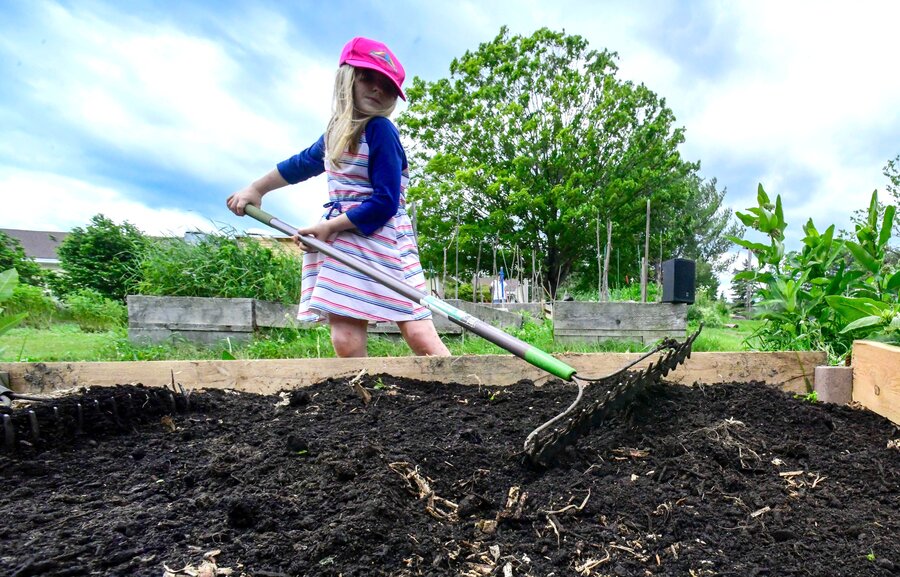
A rapid rise in the number of community gardens, notably in places that are food deserts or among Americans hit hard by inflation, has lately led to a question among researchers: Do these shared plots of local produce serve a greater goal than easing hunger and financial hardship?Turns out, they do. A recent survey of 15 garden sites in Pennsylvania, for example, found high satisfaction with not only the food grown but also the services frequently offered at such sites, from education for children to spiritual support by churches to the opportunity to simply observe nature.One key finding: Of the 39% of participants in the gardens who had reported feeling isolated from others, the vast majority later agreed that the gardens were a welcoming and inclusive space that fostered belonging and community, according to the study by Pennsylvania State University.A global study released July 2 by a Paris-based think tank found that converting vacant urban lots and idle farmland into gardens, cafés, dining spaces, or cooking venues can generate social connection to combat loneliness as well as the “rising political polarisation at the local level.”Breaking bread together – or, in this case, snapping green beans with strangers in a community garden – has long broken barriers, helping people to focus on their similarities more than on their differences. This voluntary association allows trust to grow gradually in everyday life.In an era of greater distrust of institutions and a climate of misinformation, more than trust is often required to generate a spirit of generosity. A new survey of Americans about their willingness to give to others revealed that charities receive far more money from donors who felt both trust and a personal relationship than trust alone.“Plenty of people trust nonprofits in general and still feel no real relationship to charitable work, felt no role in it, and no reason to act,” concluded the study by Charity Navigator and Mutiny Co.“If the fear is that Americans have stopped caring, the data tells a different story. 95% said they would give under the right conditions. Even among people who feel disconnected from charitable causes, most still want to help.”In other words, local get-togethers that form relationships – like community gardens – can better ignite the natural impulse to give than groups simply asking for a donation to a cause.The seeds of civic renewal in the United States might sprout again when more Americans plant seeds with their neighbors.
A green thumb for community renewal
Full Article
Original Source
Read the full article at Csmonitor →KhanList aggregates and links to publicly available news content. We do not host full articles from third-party sources. Always verify important information with original sources.