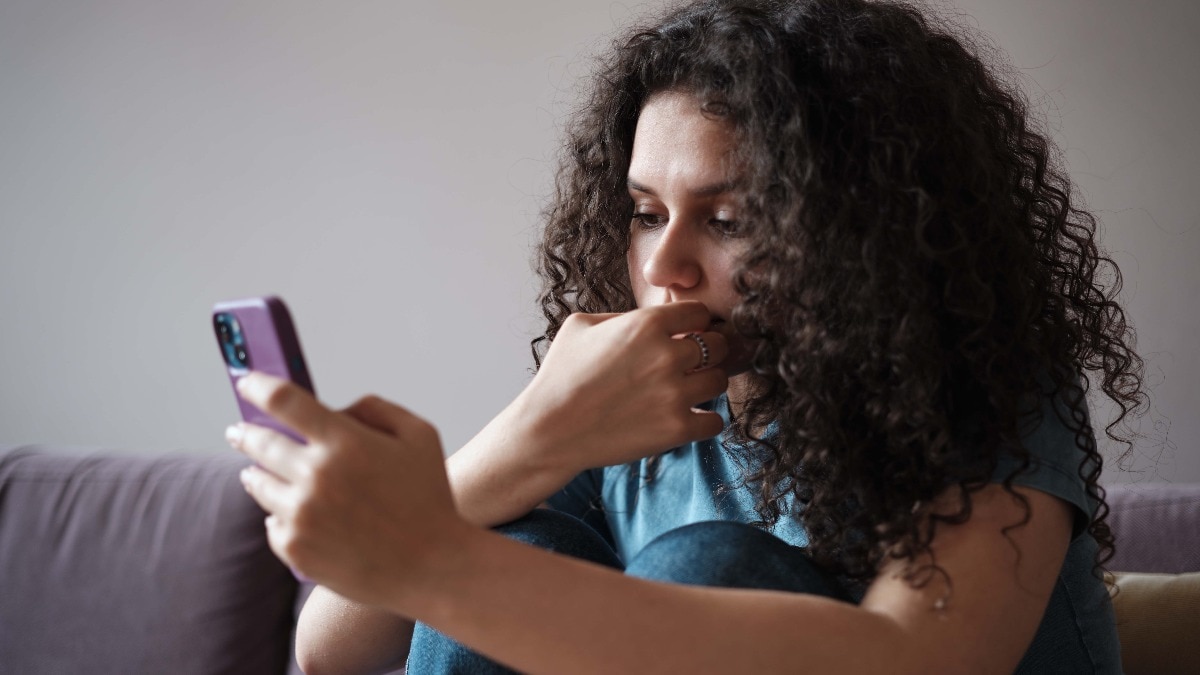
For many young people today, social media are no longer just a place to share photos or stay connected. According to a recent sociological study, online validation has become closely linked to how Generation Z feels about themselves, their happiness and even their sense of belonging.The 25-day study, led by Dr Jyoti Sidana, Professor in the Department of Sociology at Government Arts Girls College, Kota, surveyed 141 undergraduate and postgraduate female students from different colleges. It explored how digital dependence is influencing emotions, relationships and mental well-being.LIKES AREN'T JUST NUMBERS ANY MOREThe findings show that 82.9% of respondents said the number of likes, comments and views on their social media posts directly affected their mood. Another 9.8% said it influenced them to some extent, while only 7.3% reported that online engagement had no effect on their emotions.According to Dr Sidana, likes and views have increasingly become a measure of popularity, identity and social acceptance. When posts fail to receive the expected response, many young people feel rejected or less important than their peers. Constant comparison with others' social media success can also trigger anxiety, feelings of inferiority and emotional distress. THOUSANDS OF FOLLOWERS, YET LONELYOne of the study's most striking findings is that 61% of respondents said they felt lonely in real life despite having thousands of followers online.Students said online friendships often lack emotional depth and cannot replace face-to-face relationships built on trust and support. Dr Sidana noted that while social media provide temporary satisfaction, virtual relationships cannot offer the same comfort during difficult times as real-life connections.DIGITAL DETOX REMAINS A CHALLENGE The survey found that 48.2% checked their phones immediately after receiving notifications, while 43.9% admitted they had no fixed schedule for checking their devices, indicating constant phone use throughout the day.Nearly 70% said they wanted to take a digital detox by reducing or stopping social media use but found it difficult. The study also found that 43.9% believed social media had encouraged a culture of showing off, 41.5% felt it affected their real identity, and 14.6% said it promoted unnecessary spending.Another 61% reported feeling stressed or upset because of trolling or negative comments online.FINDING A BETTER BALANCECalling Gen Z the first true "digital native" generation, Dr Sidana said young people enjoy unprecedented technological opportunities but also face growing challenges such as anxiety, loneliness, comparison and digital dependence.The study recommends regular digital detoxes, spending more time with family and friends, avoiding self-worth based on likes or followers, and maintaining a healthier balance between online and offline life.According to the researchers, real conversations and meaningful relationships remain the strongest foundation for long-term emotional well-being.- EndsPublished By: Princy ShuklaPublished On: Jul 30, 2026 12:59 IST
83% Gen Z say social media likes decide their happiness, real life feels lonely
Full Article
Original Source
Read the full article at Indiatoday →KhanList aggregates and links to publicly available news content. We do not host full articles from third-party sources. Always verify important information with original sources.