
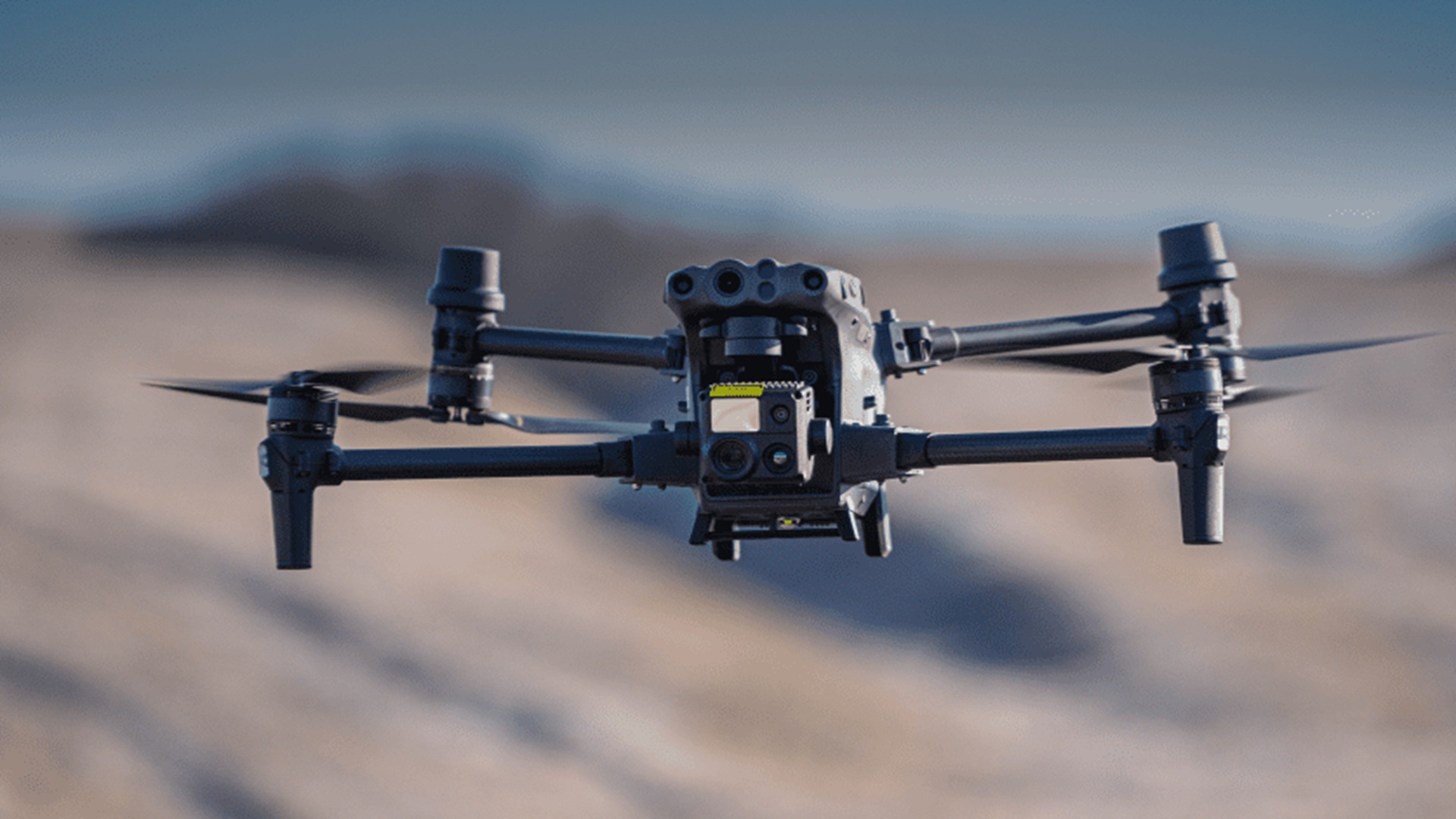
A representational image of an unmanned aerial system in flight.Amprius The U.S. Department of War has awarded Amprius Technologies a grant of up to $75 million to convert an existing electric vehicle battery production line into a high-volume manufacturing facility for drone batteries. The Fremont, California-based battery maker plans to retrofit a U.S.-based EV battery line operated by a major South Korean manufacturer. The converted facility will produce high-energy-density cells designed for unmanned aerial systems. Once completed in early 2028, the production line is expected to have capacity for 12 million Amprius cells per year. The cells are intended to meet domestic sourcing requirements under the National Defense Authorization Act. The overall conversion project is expected to cost about $100 million. That figure includes the federal grant as well as in-kind investments from Amprius and its unnamed South Korean manufacturing partner. EV line switches missions The grant comes through the Industrial Base Analysis and Sustainment program, which supports domestic manufacturing capabilities considered important to U.S. national defense. The project is focused on batteries for Group 1, 2 and 3 unmanned aerial systems. These categories cover smaller military drones, ranging from lightweight portable aircraft to larger tactical systems. Amprius develops lithium-ion batteries using silicon-anode technology. According to the company, its cells can deliver up to twice the energy density, range and flight time of conventional graphite-based cells. Higher energy density is particularly useful for drones because batteries must provide enough power and endurance without adding excessive weight. More energy stored in the same amount of battery mass can potentially extend flight time or allow an aircraft to carry additional payload. “This DoW grant is intended to establish a primary source of domestic, NDAA-compliant battery production,” said Amprius CEO Tom Stepien. “Our technology, combined with the U.S. manufacturing prowess of our South Korean manufacturing partner, positions us to accelerate adoption of standardized, high-performance pouch cells in a fast-growing market.” Drone battery output scales The converted production line will add to Amprius’ existing manufacturing network spanning the United States, South Korea and China. The company uses contract manufacturers to increase battery production without building every factory itself. The new U.S. capacity is also designed to give defense customers access to domestically sourced pouch cells at significantly higher volumes. Amprius said the project will expand its ability to supply NDAA-compliant batteries to key customers. The award, however, is tied to several conditions. Amprius said a majority of the grant remains unfunded and depends on future government appropriations. Payments also depend on the company achieving specified milestones and receiving U.S. government acceptance. The project additionally relies on third parties, including its manufacturing partner, to meet production and development targets. Amprius cautioned that delays or difficulties involving those partners could affect the planned timeline. If completed as scheduled, the converted EV battery line would begin providing large-scale domestic production capacity for Amprius’ high-energy cells in early 2028.Get the latest in engineering, tech, space & science - delivered daily to your inbox.With over a decade-long career in journalism, Neetika Walter has worked with The Economic Times, ANI, and Hindustan Times, covering politics, business, technology, and the clean energy sector. Passionate about contemporary culture, books, poetry, and storytelling, she brings depth and insight to her writing. When she isn’t chasing stories, she’s likely lost in a book or enjoying the company of her dogs.
$75M US grant converts EV battery line into drone cell factory with 12M yearly capacity
Full Article
Original Source
Read the full article at Interestingengineering →KhanList aggregates and links to publicly available news content. We do not host full articles from third-party sources. Always verify important information with original sources.