
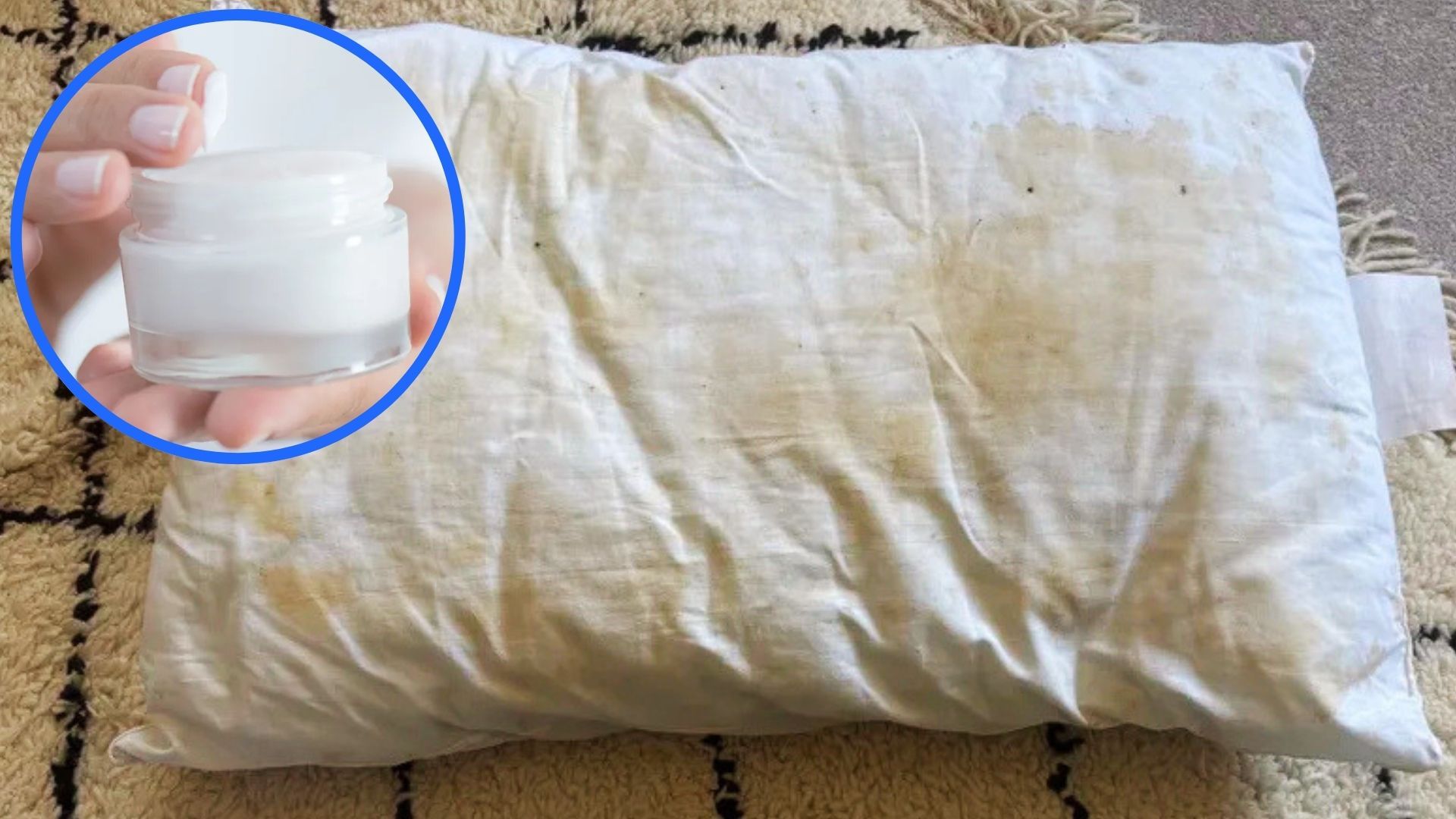
Watching your once snow-white pillow develop a multitude of yellow pillow stains is pretty gross – and your bedtime routine and laundry habits are high on the list of culprits for why pillows turn yellow.From sleeping with wet hair to skipping regular bedding washes, there are five common habits that cause moisture and oils to seep into your pillow where they then oxidize and turn yellow.The good news? Making a few simple changes to your routine will stop this discolouration from happening in the first place and keep your pillow brilliant white for longer.Top 5 reasons why your pillows turn yellow 1. Sweat and natural body oils – breaks down pillow fibers overnight.2. Going to bed with wet hair – trapped dampness causes bacterial growth and yellowing.3. Skincare and makeup – transfers directly to the pillow, causing yellowing (retinol is notorious for this).4. Not washing your pillow and pillowcases enough – stains set deeper and look more yellow.5. Not replacing your pillows often enough – over time, pillows naturally decay and yellow.1. Sweat and natural body oils (Image credit: Getty Images)The two main culprits behind yellow pillow stains are moisture and oil, which we pump out hour by hour when sleeping.Dr Shamsa Kanwal, M.D., a board-certified dermatologist at MyPsoriasisTeam explains it further: "Sweat, natural skin oils, saliva, dead skin cells, and moisture from wet hair gradually soak through the pillowcase and into the pillow, creating that familiar yellow discoloration over time."All of this oxidizes when exposed to air. And when sweat and sebum react with oxygen, yellow pillow stains form — and overheating while sleeping can make the stains worse.2. Going to bed with wet hair (Image credit: Getty/Gary John Norman)I've all been guilty of this one, especially at the end of a long day when I'm tried and desperate to hop into bed.Get instant access to breaking news, the hottest reviews, great deals and helpful tips.But going to be with wet or damp hair not only makes your pillow feel soggy, it can also cause excess moisture from your hair to seep through your pillowcase and oxidize just like sweat and saliva does.The result? Yellow staining on your pillow. If you keep doing this, your pillow will become yellowed regardless of whether you use a pillow protector.3. Skincare and makeup (Image credit: Getty Images)From skin-smoothing retinol to plumping overnight lip masks, beauty sleep products are a dream for our skin but a nightmare for our pillows.Applying these skincare products right before bed means that the products' moisture and oils are still sitting on your skin, ready to transfer down into your pillow.Same goes for sleeping with your make-up on.The result? Yep, you guessed it: yellow stains. "Products that have not fully absorbed before bed can transfer onto the pillowcase and eventually seep into the pillow," says Dr Kanwal."Rich moisturizers, facial oils, leave-in conditioners, and other oily or pigmented products are more likely to leave residue, especially when combined with sweat and body oils."4. Not washing your pillow and pillowcases enough (Image credit: Future)Skipping laundry day can mean that moisture and oils that have accumulated and oxidized on your pillow have a chance to really dig in to the fabric, causing deep staining that's harder to remove.One survey found that 24% of adults admit to only washing their pillowcases every three to four weeks. While another found that only 15% of people wash their pillows on a regular basis.To keep your pillow clean, fresh and free of yellow stains, you should aim to wash your pillowcase once a week and wash your pillow monthly.5. Not replacing your pillows often enoughIf you've noticed that your yellowest pillow is also flat and unsupportive, it's no coincidence – yellow stains are one of the key signs that your pillow needs replacing.The average lifespan of a pillow is up to two years, but one survey found that only 18% of 2,200 respondents knew this.Meanwhile, the same study found that the average person keeps their pillow for around 14 months after the recommended time to replace it.5 ways to stop your pillow turning yellow in the first place 1. Wash your pillow every 3 months – regular deep washes prevent sweat and oils from seeping deep down into the fill.2. Use a pillow protector – this fabric barrier stops the majority of moisture and skincare from transferring to your actual pillow3. Apply skincare routine an hour before bed – gives your products time to seep in, so your skin is dry when you lie down on your pillow.4. Use breathable pillowcases – encourages better airflow and less nighttime sweating (a major cause of yellowing).5. Replace your pillow every two years – ensures you're never sleeping on a decaying pillow that's yellow from natural old age.1. Wash your pillow every 3 months (Image credit: Future)The first way to prevent your pillows from turning yellow? Start washing them more."I would wash pillowcases at least once a week, and more often if you sweat heavily, have oily or acne-prone skin, or use a lot of hair and skincare products," advise Dr Kanwal."Many washable pillows can be cleaned every 3 to 6 months, but always follow the care label because foam, latex, feather, and synthetic pillows need different cleaning methods," she adds.For advice on how to clean your pillow, visit our guide on how to wash a pillow.2. Use a pillow protector (Image credit: Future)Along with washing your pillowcases regularly, you can also try adding an extra layer of pillow protection."Using a washable pillow protector also helps keep sweat and product residue from reaching the pillow itself," explains Dr Kanwal.While you can get pillow protectors that act as a pillow encasement, you can also get a waterproof pillow protector for more safeguarding.3. Apply skincare routine an hour before bed If skincare is a crucial step in your night-time routine, make sure that you've taken off your make-up and applied any lotions at least an hour before bedtime.Dr Kanwal says that making skincare the first step of your evening regimen gives the products enough time to be absorbed by your skin and less likely to be absorbed by your pillowcase.4. Use breathable pillowcases (Image credit: Future)Sweat is a big cause of yellowed pillows, so the more things you can do to sleep cool and dry the better.This can mean switching your current pillow with a pillow featuring cooling tech like GlacioTex, or making sure that the fabric of your pillowcase is breathable.Ditching heat-trapping synthetic bedding material like polyester or satin for naturally cooling, moisture-wicking materials like cotton, bamboo, linen, silk, or Tencel can help limit night sweats and overheating, meaning less discoloration from moisture build-up.5. Replace your pillow every two years (Image credit: Future)As surprising as it sounds, I can understand why some people may want to hold onto their ageing yellow-stained pillow. It's comfortable, it's familiar, and if it ain't broke, why fix it?However, even if you're happy to camouflage the yellow stains with a pillowcase, the truth is that an old pillow that's over two years old and covered in yellow stains needs to be replaced.Trust me, it's much easier to invest in one of the best pillows every two years than to struggle with allergies, neck pain, and tension headaches from an old, unsupportive yellowed pillow.Top 3 products to prevent yellow pillow stains
5 habits turning your pillows yellow — and how to keep them brilliant white for longer
Full Article
Original Source
Read the full article at Tomsguide →KhanList aggregates and links to publicly available news content. We do not host full articles from third-party sources. Always verify important information with original sources.