
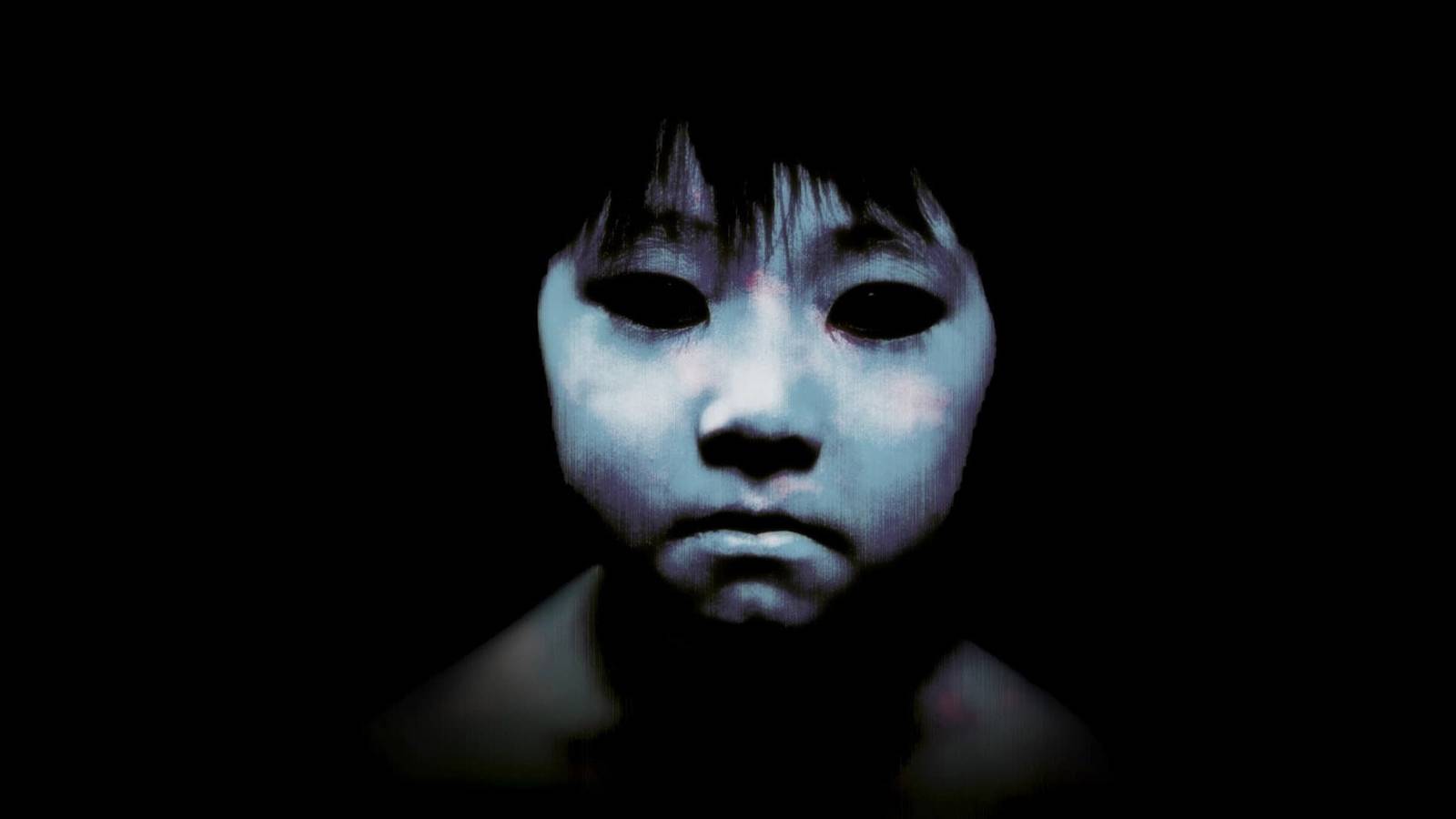
Published Sep 19, 2026, 5:30 PM EDT Richard Craig is a Senior Author at Screen Rant covering film and TV. Richard has also written extensively about horror and film soundtracks, contributing a chapter to the first major academic collection on the folk horror genre, The Routledge Companion to Folk Horror. Richard is also a performing musician and holds an MA in Music and Sound Art. Japanese horror has influenced global cinema more than perhaps any other national horror tradition outside Hollywood. Long before American remakes introduced audiences to films like The Ring and The Grudge, Japanese filmmakers were creating stories built around folklore, urban legends, psychological dread, technological anxieties, and deeply unsettling supernatural forces. Rather than relying solely on jump scares, many of the genre's greatest entries focus on atmosphere, ambiguity, and the slow realization that something is profoundly wrong. J-horror is also remarkably diverse. It encompasses ghost stories inspired by centuries-old folklore, surreal experimental nightmares, body horror, monster movies, psychological thrillers, and apocalyptic tales. Directors such as Kiyoshi Kurosawa, Takashi Miike, Hideo Nakata, Kaneto Shindō, and Nobuhiko Obayashi helped shape horror cinema in dramatically different ways, proving that Japanese horror cannot be reduced to a single style. The films on this list are the most influential, innovative, and unforgettable horror movies Japan has ever produced. Ju-On: The Grudge (2002) Takashi Shimizu's Ju-On: The Grudge perfected the haunted-house formula by making the curse impossible to escape. It revolves around a Tokyo home where a brutal murder created a supernatural stain that infects everyone who enters. Unlike traditional ghost stories, the curse spreads from victim to victim, creating a fragmented narrative that gradually reveals its horrifying scope. Ju-On's greatest achievement is probably the creation of Kayako and Toshio, two of horror's creepiest ghosts ever. Their jerky movements, unsettling appearances, and complete lack of understandable motives make them uniquely frightening. Shimizu strips away conventional explanations and focuses entirely on dread. Every single location feels contaminated and sickly. Ju-On is one of the defining works of modern J-horror and a major influence on supernatural horror worldwide. Evil Dead Trap (1988) Released during a period when Japanese horror was experimenting with more graphic and exploitative material, Toshiharu Ikeda's Evil Dead Trap follows a television host and her crew investigating a mysterious snuff tape. Their search leads them to an abandoned military facility where they encounter a sadistic killer. Evil Dead Trap draws inspiration from Italian giallo thrillers and American slashers while adding its own bizarre twists. Elaborate murder sequences, striking cinematography, and increasingly surreal developments separate it from many low-budget horror films of the era. The conventional stalk-and-slash story gradually transforms into something far stranger and more disturbing. While it lacks the prestige of some entries on this list, Evil Dead Trap is an important cult classic that demonstrates how flexible Japanese horror can be. Tetsuo: The Iron Man (1989) Few films capture industrial anxiety quite like Shinya Tsukamoto's Tetsuo: The Iron Man. Produced on a tiny budget, it depicts a salaryman whose body begins merging with metal after a hit-and-run accident. What follows is an intense barrage of stop-motion animation, body horror, and mechanical transformation. Shot in grainy black-and-white, Tetsuo is like a nightmare transmitted directly from an industrial wasteland. Tsukamoto's frenetic editing and aggressive visual style create an experience that is overwhelming even decades later. Tetsuo helped establish Japanese cyberpunk cinema and inspired filmmakers around the world. While its experimental approach may challenge some viewers, Tetsuo is one of the most original horror films ever made. Few movies communicate physical and psychological discomfort with such relentless energy. Onibaba (1964) Set during Japan's civil wars of the 14th century, Kaneto Shindō's Onibaba follows two women surviving by murdering lost samurai and selling their possessions. Their fragile existence becomes threatened when a neighbor returns from war and begins a relationship with the younger woman. Although often described as a historical drama, Onibaba would be more accurately termed folk horror. It relies on superstition, traditional Japanese masks, and historical-based psychological torment. The towering fields of susuki grass create one of cinema's most memorable settings, transforming the landscape into a maze of danger and paranoia. Shindō uses horror to explore desire, jealousy, and survival, resulting in a film that is both intellectually rich and deeply unsettling. Onibaba’s influence can still be seen throughout folk horror cinema today. Tag (2015) Sion Sono's Tag boasts one of the most shocking opening sequences in modern horror. A school bus carrying dozens of students is suddenly sliced in half by an invisible force, leaving only Mitsuko alive. From that moment onward, reality begins to unravel around her. Tag constantly reinvents itself, shifting between slasher horror, surreal fantasy, social satire, and psychological mystery. Sono's direction embraces chaos while maintaining a surprisingly coherent thematic core about identity and societal expectations. Every new setting introduces another bizarre challenge for Mitsuko, making Tag impossible to predict. Equal parts disturbing and absurd, Tag represents modern Japanese horror at its most inventive. It rewards viewers willing to embrace its increasingly surreal logic and relentless imagination. Kuroneko (1968) Kaneto Shindō appears on this list twice, and Kuroneko may be even more haunting than Onibaba. The story begins when two women are assaulted and murdered by samurai. They return as vengeful spirits who lure warriors into a bamboo grove before killing them. Shot in luminous black-and-white, Kuroneko creates a dreamlike atmosphere unlike anything else in horror cinema. The supernatural elements are presented with remarkable elegance, emphasizing tragedy as much as terror. Shindō's use of movement, lighting, and traditional folklore transforms the revenge narrative into something deeply melancholic. This emotional complexity elevates the story beyond a simple ghost tale. More than fifty years later, Kuroneko is one of Japan's most visually stunning and emotionally powerful horror films. Wild Zero (1999) Part zombie movie, part science-fiction comedy, and part rock concert, Wild Zero is unlike anything else on this ranking. Starring real-life garage-punk band Guitar Wolf, Wild Zero follows a devoted fan who becomes caught in an alien invasion that triggers a zombie outbreak. The sheer enthusiasm makes Wild Zero particularly memorable. Director Tetsuro Takeuchi combines exploding zombies, motorcycle stunts, rock-and-roll mythology, and outrageous practical effects into an endlessly entertaining spectacle. Beneath the chaos is a surprisingly progressive message about acceptance and individuality. Wild Zero never pauses long enough for viewers to question its logic, or for these themes to settle in. It instead charges forward with an undeniably infectious energy. Wild Zero may be the most unconventional title on this list, but few horror films are more fun. Blind Beast (1969) Blind Beast is one of the most unsettling films ever produced in Japan. It depicts a blind sculptor who kidnaps a fashion model and imprisons her inside a gigantic studio filled with enormous sculptures of body parts. From that premise, Blind Beast becomes an increasingly disturbing examination of obsession, artistic creation, and sensory experience. Director Yasuzō Masumura transforms the sculptor's workshop into a surreal nightmare landscape unlike any conventional horror setting. The psychological intensity steadily escalates as the relationship between captor and captive grows more complicated and destructive. Decades before terms like "elevated horror" became popular, Blind Beast used horror as provocative art without sacrificing its ability to shock audiences. Pulse (2001) Kiyoshi Kurosawa's Pulse anticipated many modern fears about technology and social isolation. The story sees several young Tokyo residents discovering mysterious websites connected to a growing wave of disappearances and suicides. The internet becomes a gateway through which lonely spirits enter the living world. Unlike many supernatural horror films, Pulse rarely relies on sudden scares. Instead, it cultivates an overwhelming sense of existential dread. Empty rooms, abandoned buildings, and silent computer screens become terrifying through atmosphere alone. Kurosawa presents loneliness as both a social problem and a supernatural infection. The famous ghost sequence in a deserted apartment remains one of the most unnerving scenes in modern horror. As the digital age continues, Pulse feels increasingly relevant – and terrifying. House (1977) Nobuhiko Obayashi's House is less like a conventional horror movie and more like a fever dream. The plot follows seven schoolgirls who visit a remote country house where supernatural events quickly spiral out of control. Pianos eat people, severed heads fly through the air, and reality itself appears unstable. Obayashi reportedly developed many ideas with his young daughter, resulting in imagery that resembles a child's nightmare filtered through experimental filmmaking. House combines hand-drawn effects, animation, comedy, and horror in ways that still feel innovative. Every scene introduces another visual surprise. While many cult classics earn their reputations through eccentricity alone, House is genuinely entertaining and artistically ambitious. Its influence on surreal horror cinema continues to grow with each passing decade.
15 Best Japanese Horror Movies Of All Time, Ranked
Full Article
Original Source
Read the full article at Screenrant →KhanList aggregates and links to publicly available news content. We do not host full articles from third-party sources. Always verify important information with original sources.