
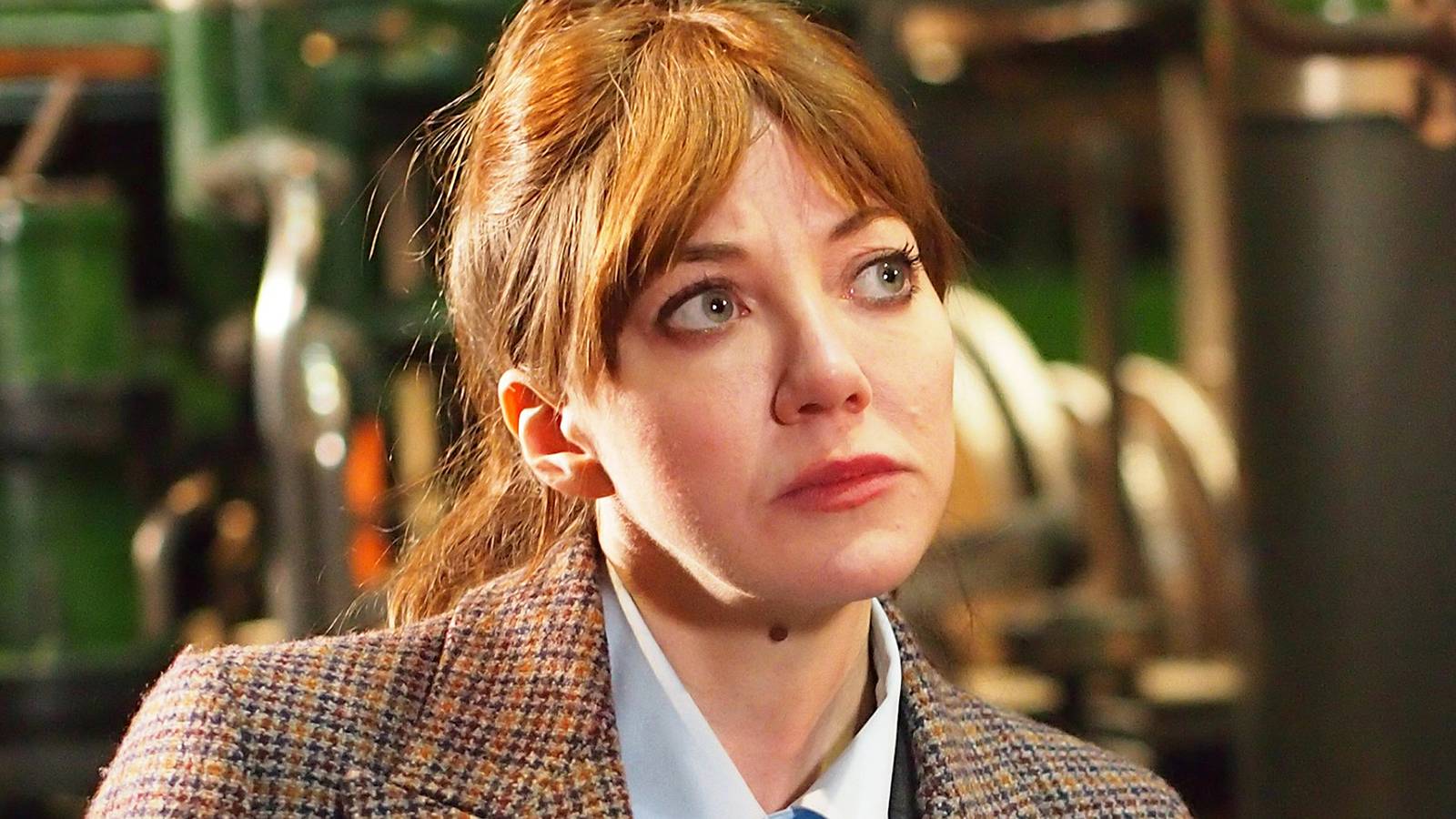
©Netflix / Courtesy Everett Collection Updated Sep 8, 2026, 4:59 AM EDT Maddie is a freelance content creator and a Senior Resource Writer at Collider. She has a background in Media & Communications with work experience spanning several years in content marketing, advertising, and feature writing in travel, entertainment, and food spaces. When it comes to entertainment, Maddie is passionate about murder mysteries, crime thrillers, dark comedies, and slashers. Her content marketing experience, coupled with her creative writing skills, helps her consistently write relevant and engaging articles. Sign in to your Collider account Laughter is indeed the best medicine, especially when the world outside feels overwhelming, or you simply want to unwind after a grueling day. But laughter does not have to be of a specific kind. Neither does it have to come in the form of award-winning, critically acclaimed, and technically perfect material. That is why comedy, as a genre, spreads far and wide in its delivery, themes, and concepts. And when you add such humor to a tightly-knit, short, and sweet television series, the experience of the story becomes wholesome. Ranging across social satire, parody, slapstick, cheesy, and even a darkly funny take on life, these comedy miniseries make for the most engaging take on subjects that would otherwise feel overbearing. From recent hits like No Good Deed to Netflix classics like Wet Hot American Summer: First Day of Camp, dive into these best comedy miniseries you would love to binge. 15 'Mrs. Davis' (2023) Image via Peacock Artificial intelligence gets a lot weirder in Mrs Davis. An omniscient AI called Mrs. Davis has seemingly eliminated war and famine, but Catholic nun Sister Simone (Betty Gilpin) considers it a dangerous dictator and blames it for her father’s death. When Mrs. Davis demands that Simone destroy the legendary Holy Grail, she agrees on one condition: the AI must deactivate if she succeeds. This genre-mashup of a miniseries is a ludicrously ambitious take. In any other case, destroying the Holy Grail would be blasphemous, but the AI-driven dystopia and Monty Python and the Holy Grail-style satire turn it into a ridiculously engaging adventure. It's all thanks to Simone’s stubborn refusal to obey Mrs. Davis, combined with Betty Gilpin’s sharp comedic timing. —Dyah Larasati 14 'The Baby' (2023) Image via HBO The Baby follows Natasha Williams (Michelle de Swarte), a carefree 38-year-old woman who wants nothing to do with motherhood. But when a mysterious baby suddenly falls into her arms on a remote beach, he quickly becomes impossible to escape. As the infant develops a deadly attachment to her and uses terrifying psychic abilities against anyone who gets in their way, Natasha finds herself blamed for the chaos. The pressures of motherhood are one thing, but it's not every day that television gets to indulge in them through a comedic villainous force like The Baby. It's also cathartically karmic in a way. Motherhood is a choice, but so is not being judgy, especially with Natasha, who judges her friends for struggling with their children. So when she is humorously and cruelly taunted with sleepless nights, maternal guilt, and parenting expectations through her supernatural baby, it's darkly silly. —Dyah Larasati 13 'Boo, Bitch' (2022) Image via Netflix Not all paranormal stories are scary or tragic, and Boo, Bitch is one of such exceptions. The Netflix original comedy series tells the story of high school seniors Erika and Gia, living the straight-and-narrow life, who make one last attempt to live up their high-school days in epic proportions. But when one such wild night kills Erika, her ghost sets out with her living best friend, Gia, to make things right and finish her unfinished business before she runs out of time in her afterlife. Boo, Bitch stars Lana Condor of To All the Boys film series fame and Zoe Colletti of Fear the Walking Dead fame as the lead protagonists and two best friends. The series is comparable to 2000s high school chick-flick nostalgia. The eight-episode miniseries earned mixed reviews for its lighthearted narrative but works as a fun take on life, death, and grief among adolescents. 12 'Wet Hot American Summer: First Day of Camp' (2015) Image via Netflix A prequel to the 2001 cult comedy film, Wet Hot American Summer, Wet Hot American Summer: First Day of Camp is the second installment in the titular franchise. Set in 1981, First Day of Camp follows counselors and campers as they begin the summer of a lifetime at Camp Firewood, where campers try to settle in while their counselors navigate the daily drama, budding romance, mysterious elements, and produce the camp musical. Featuring a massive ensemble, First Day of Camp sees major cast members from the 2001 film reprising their characters, with Kristen Wiig, Chris Pine, Jon Hamm, Michael Cera, and Randall Park joining. A satirical comedy series packed with goofy hijinks, Wet Hot American Summer: First Day of Camp spoofs teen sex comedies, with adult actors intentionally made to play younger versions of their original roles to enhance the humor quotient. The eight-episode Netflix original series also became a cult classic, matching the popularity of the original film, but surpassed it with its critical success. 11 'The Woman in the House Across the Street from the Girl in the Window' (2022) Image via Netflix Also abbreviated as TWITHATSFTGITW, the Netflix comedy series sees Kristen Bell as the titular protagonist named Anna, an ombrophobic (fear of rain) mother grieving the loss of her eight-year-old daughter, who believes she witnessed a murder across her house. Despite being ostracized by her neighbors and community, Anna sets out to find the truth. The Woman in the House Across the Street from the Girl in the Window features a stacked cast with Michael Ealy, Tom Riley, and Mary Holland. The Woman in the House Across the Street from the Girl in the Window is set up as a parody of cozy, suburban mysteries and dark psychological thrillers, drawing inspiration and motifs from Rear Window, The Woman in the Window, and The Girl on the Train. With elements of fiction potboilers and a deadpan comedy narrative, the dark comedy series remains a must-watch for genre fans, only bettered by Bell’s convincing performance. 10 'Clark' (2022) Image via Netflix This Netflix original Swedish series explores the real-life events surrounding notorious criminal Clark Oderth Olofsson that inspired the concept of Stockholm Syndrome. Clark is based on Olofsson’s life story, which he documents in his book Vafan var det som hände? It explores his escapades, convictions, and legal battles for fraud, robbery, drug dealings, assault, and murder. Starring Bill Skarsgård as the titular protagonist, Clark takes a dramatized look at how the Swedish “celebrity gangster” managed to fool the entire nation into loving him despite all his crimes and get away with it in a twisted comedic narrative. Skarsgård's performance as the notorious criminal earned critical acclaim and garnered a generally positive response works as an interesting and engaging miniseries that genre fans are sure to love. While the antagonist’s flamboyant exploits might seem like a glorified take on major crimes that shook Sweden in the late 1900s, Clark succeeds in becoming a humorous and high-energy crime thriller featuring period art and aesthetics, and a quirky narrative. 9 'Exploding Kittens' (2024) Image via Netlflix The adult animated TV series follows the age-old conflict between Heaven and Hell, which reaches a tipping point, and both God and the Devil are sent to Earth to reconnect with humans and save humanity. Except that these divine entities now reside in the form of plush house cats, living amid dysfunctional families and facing earthly challenges. Exploding Kittens features Lucifer star Tom Ellis as the voice of God, aka Godcat, with Woke star Sasheer Zamata as Devilcat/Beelzebub. As in the design of the original card game by Matthew Inman, Exploding Kittens sees the furballs unleashing ultimate mayhem, turning the epic cosmic battle into a slapstick cat-fight comedy. Featuring a similar art style, character designs, and visuals as its game predecessor, Exploding Kittens became an instant success. Despite mixed reviews, the hilarious misadventures of eccentric cats make this show a cathartic watch, as they try to solve human problems with a divine brain and feline idiosyncrasies. Collider Exclusive · Oscar Best Picture Quiz Which Oscar Best PictureIs Your Perfect Movie? Parasite · Everything Everywhere · Oppenheimer · Birdman · No Country Five Oscar Best Picture winners. Five completely different visions of what cinema can be — and what it can do to you. One of them is the film that was made for the way your mind works. Ten questions will figure out which one. 🪜Parasite 🌀Everything Everywhere ☢️Oppenheimer 🐦Birdman 🪙No Country for Old Men FIND YOUR FILM → 01 What kind of film experience do you actually want? The best movies don't just entertain — they leave something behind. ASomething that pulls the rug out — that makes me think I'm watching one kind of film and then reveals I'm watching another entirely. BSomething overwhelming — funny, sad, absurd, and genuinely moving, all at once. CSomething grand and weighty — a film that makes me feel the full scale of what I'm watching. DSomething formally daring — a film that pushes what cinema can even do. ESomething lean and relentless — pure tension with no wasted frame. NEXT QUESTION → 02 Which idea grabs you most in a film? Great films are driven by a central obsession. What's yours? AClass, inequality, and what people are willing to do when desperation meets opportunity. BIdentity, family, and the chaos of trying to hold your life together when everything is falling apart. CGenius, moral responsibility, and the catastrophic weight of a decision you can never take back. DEgo, legacy, and the terror of becoming irrelevant while you're still alive to watch it happen. EEvil, chance, and whether moral order actually exists or if we just tell ourselves it does. NEXT QUESTION → 03 How do you like your story told? Form is content. The way a story is shaped changes what it means. AGenre-twisting — I want it to start in one lane and migrate into something completely different. BMaximalist and genre-blending — comedy, action, drama, sci-fi, all in one ride. CEpic and non-linear — cutting between timelines, building a mosaic of cause and consequence. DA single unbroken flow — I want to feel like I'm living it in real time, no cuts to safety. ESpare and precise — every scene doing exactly what it needs to do and nothing more. NEXT QUESTION → 04 What makes a truly great antagonist? The opposition defines the protagonist. What kind of opposition fascinates you? AA system — invisible, structural, and almost impossible to fight because it has no single face. BThe self — the ways we sabotage, abandon, and fail the people we love most. CHistory — the unstoppable momentum of events that no single person can stop or redirect. DThe industry — the machinery of culture that chews up talent and spits out irrelevance. EPure, implacable evil — a force so certain of itself it becomes almost philosophical. NEXT QUESTION → 05 What do you want from a film's ending? The final note is the one that lingers. What do you want it to sound like? AShock and inevitability — a conclusion that recontextualises everything that came before it. BEarned emotion — I want to cry, laugh, and feel genuinely hopeful, even if the world is a mess. CDevastation and grandeur — an ending that makes me sit in silence for a few minutes after. DAmbiguity — something that leaves enough open that I'm still thinking about it days later. EBleakness — an honest refusal to pretend the world is tidier than it actually is. NEXT QUESTION → 06 Which setting pulls you in most? Where a film takes place shapes everything — mood, stakes, what's even possible. AA gleaming modern city with a hidden underside — beauty masking rot, wealth masking desperation. BA collapsing suburban life that opens onto something infinite — the multiverse of a single ordinary person. CThe corridors of power and science at a world-historical turning point — where decisions echo for decades. DThe grimy, alive chaos of New York and Hollywood — fame as both destination and trap. EVast, indifferent landscape — desert and highway where violence arrives without warning or reason. NEXT QUESTION → 07 What cinematic craft impresses you most? Every great film has a signature — a technical or artistic element that makes it unmistakable. AProduction design and mise-en-scène — every frame composed to carry meaning beneath the surface. BEditing and tonal control — the ability to move between registers without losing the audience. CScore and sound design — music that becomes inseparable from the dread and awe of what you're watching. DCinematography as performance — the camera not recording events but participating in them. ESilence and restraint — what's left unsaid and unshown doing more work than any dialogue could. NEXT QUESTION → 08 What kind of main character do you root for? The protagonist is the lens. Who you choose to follow says something about you. ASomeone smart and resourceful who makes increasingly dangerous decisions under pressure. BSomeone overwhelmed and ordinary who turns out to be capable of something extraordinary. CA brilliant, tortured figure whose gifts and flaws are inseparable from each other. DA self-destructive artist whose ego is both their superpower and their undoing. EA quiet, principled person trying to make sense of a world that has stopped making sense. NEXT QUESTION → 09 How do you feel about a film that takes its time? Pace is a choice. Some films sprint; others let tension accumulate slowly, deliberately. AI love a slow build when I know the payoff is going to be seismic — patience for a devastating reveal. BGive me relentless momentum — I want to feel breathless and emotionally spent by the end. CEpic runtime doesn't scare me — if the material demands three hours, give me three hours. DI want it to feel propulsive even when nothing is technically happening — restless energy throughout. EDeliberate and unhurried — I want dread to accumulate in the spaces between the action. NEXT QUESTION → 10 What do you want to feel walking out of the cinema? The best films leave a mark. What kind of mark do you want? AUnsettled — like I've just seen something I can't fully explain but can't stop thinking about. BMoved and energised — like the film reminded me what actually matters and gave me something to hold onto. CHumbled — like I've been in the presence of something genuinely important and overwhelming. DExhilarated — like I've just seen cinema doing something it's never quite done before. EHaunted — like a cold, quiet dread that stays with me for days. REVEAL MY FILM → The Academy Has Decided Your Perfect Film Is…Your answers have pointed to one Oscar Best Picture winner above all others. This is the film that was made for the way your mind works. ParasiteYou are drawn to films that operate on multiple levels simultaneously — that begin in one genre and quietly, brilliantly migrate into another. Bong Joon-ho's Parasite is a film about class, desire, and the architecture of inequality that manages to be darkly funny, deeply suspenseful, and genuinely shocking across a single extraordinary running time. Your instinct is for cinema that hides its true intentions until the moment it's ready to reveal them. Parasite is exactly that — a film that rewards close attention and punishes assumptions, right up to its devastating final image. Everything Everywhere All at OnceYou want it all — and this film gives you all of it. The Daniels' Everything Everywhere All at Once is one of the most maximalist films ever made: action comedy, multiverse sci-fi, family drama, existential crisis, and a genuinely earned emotional core that sneaks up on you amid the chaos. You are someone who responds to ambition, who doesn't want cinema to choose between being entertaining and being meaningful. This film refuses that choice entirely. It is overwhelming by design, and its overwhelming nature is precisely the point — because the feeling of being crushed by infinite possibility is exactly what it's about. OppenheimerYou are drawn to cinema on a grand scale — films that understand history not as a backdrop but as a force, and that place their characters inside that force and watch what happens. Christopher Nolan's Oppenheimer is a film about the terrifying gap between what we can do and what we should do, told with the full weight of one of the most consequential moments in human history behind it. You want your films to feel important without feeling self-important — to earn their ambition through sheer craft and the gravity of their subject. Oppenheimer does exactly that. It is enormous, complicated, and refuses easy comfort. BirdmanYou are drawn to films that foreground their own construction — that make the how of the filmmaking part of the what it's about. Alejandro González Iñárritu's Birdman, shot to appear as a single continuous take, is cinema examining itself through the cracked mirror of a fading actor's ego. You respond to formal daring, to the feeling that a film is doing something that probably shouldn't be possible. Michael Keaton's performance and Emmanuel Lubezki's restless camera create something genuinely unlike anything else — a film that is simultaneously about creativity, relevance, self-destruction, and the impossibility of ever truly knowing if your work means anything at all. No Country for Old MenYou are drawn to cinema that trusts silence, that refuses to explain itself, and that treats dread as a form of meaning. The Coen Brothers' No Country for Old Men is a film about the arrival of a new kind of evil — implacable, arbitrary, and utterly indifferent to the moral frameworks we use to make sense of the world. It is one of the most formally controlled films ever made, and its controlled restraint is what makes it so terrifying. You want your films to haunt you, not comfort you. You are not interested in resolution if resolution would be dishonest. No Country for Old Men is honest in a way that most cinema never dares to be. ↻ RETAKE THE QUIZ 8 'The Decameron' (2024) Image via Netflix Only The Decameron can make a medieval pandemic into a comedic shtick. As the Black Death tears through Florence, a group of nobles and servants escape to Villa Santa after receiving an invitation from the mysterious Lord Leonardo (Davy Eduard King). Expecting safety and luxury, they find themselves trapped, with resources dwindling and outsiders encroaching on their sanctuary. If you like Triangle of Sadness, then think of The Decameron as its 1300s counterpart. For all its darkness, there's a sick sense of humor in watching everyone's social masks slowly slip away. With the nobles rendered completely useless without their usual luxuries, they become the opposite of what they're supposed to represent in high society. Watching these supposedly refined and powerful people fall apart when stripped of their wealth and status makes their downfall all the more ridiculous, especially as they reveal just how spoiled, selfish, and helpless they really are. —Dyah Larasati 7 'Us' (2020) Image via BBC Starring Tom Hollander and Saskia Reeves as the protagonists Douglas and Connie Peterson, Us begins when their son, Albie (Tom Taylor), is about to leave home for college and Connie declares that she no longer wants to be married to Douglas. On their holiday, Douglas, a risk-averse, disciplined, and self-conscious man, does his best to bond with his son and win his wife back. The narrative of Us moves between the past and present, recounting the love story of a young Douglas and Connie. Based on the book of the same name by David Nicholls, the four-part British comedy-drama series makes for a very amusing and heartfelt story of a married couple who set out on a holiday of a lifetime to rekindle their love. With delightful cinematography that can virtually fulfill your wanderlust, topped by the stellar performances of Hollander and Reeves, Us delivers a convincing narrative on love, marriage, and parenting. 6 'Cunk on Earth' (2022) Image via Netflix From the creator of Black Mirror, comes this one-of-a-kind mockumentary series starring British comedian-writer, Diane Morgan, as the narrator. Cunk on Earth, titled after Morgan’s character, Philomena Cunk, follows her epic journey tracing the history of human civilization, from prehistoric eras to the present day. Assuming the character of an ill-informed and not-to-wise investigative journalist, Philomena travels around the world, interviewing and interacting with real-life experts on world history and evolution. A deadpan comedy show, Cunk on Earth’s crux lies in Philomena's hopelessly obtuse two cents on early civilization, the rise of religions, the Renaissance, the Industrial Revolution, World Wars, and the Space Race. Cunk on Earth is a remarkable parody of conventional documentaries and boasts hilarious asides, appalling questions, and strange speculations from Philomena, often shocking her interviewees. A follow-up to Cunk on Britain, also starring Morgan, Cunk on Earth remains one of the best mockumentaries of modern times and shines solely on Morgan’s brilliant comedy delivery and whip-smart script.
15 Best Comedy Miniseries of All Time, Ranked
Full Article
Original Source
Read the full article at Collider →KhanList aggregates and links to publicly available news content. We do not host full articles from third-party sources. Always verify important information with original sources.