
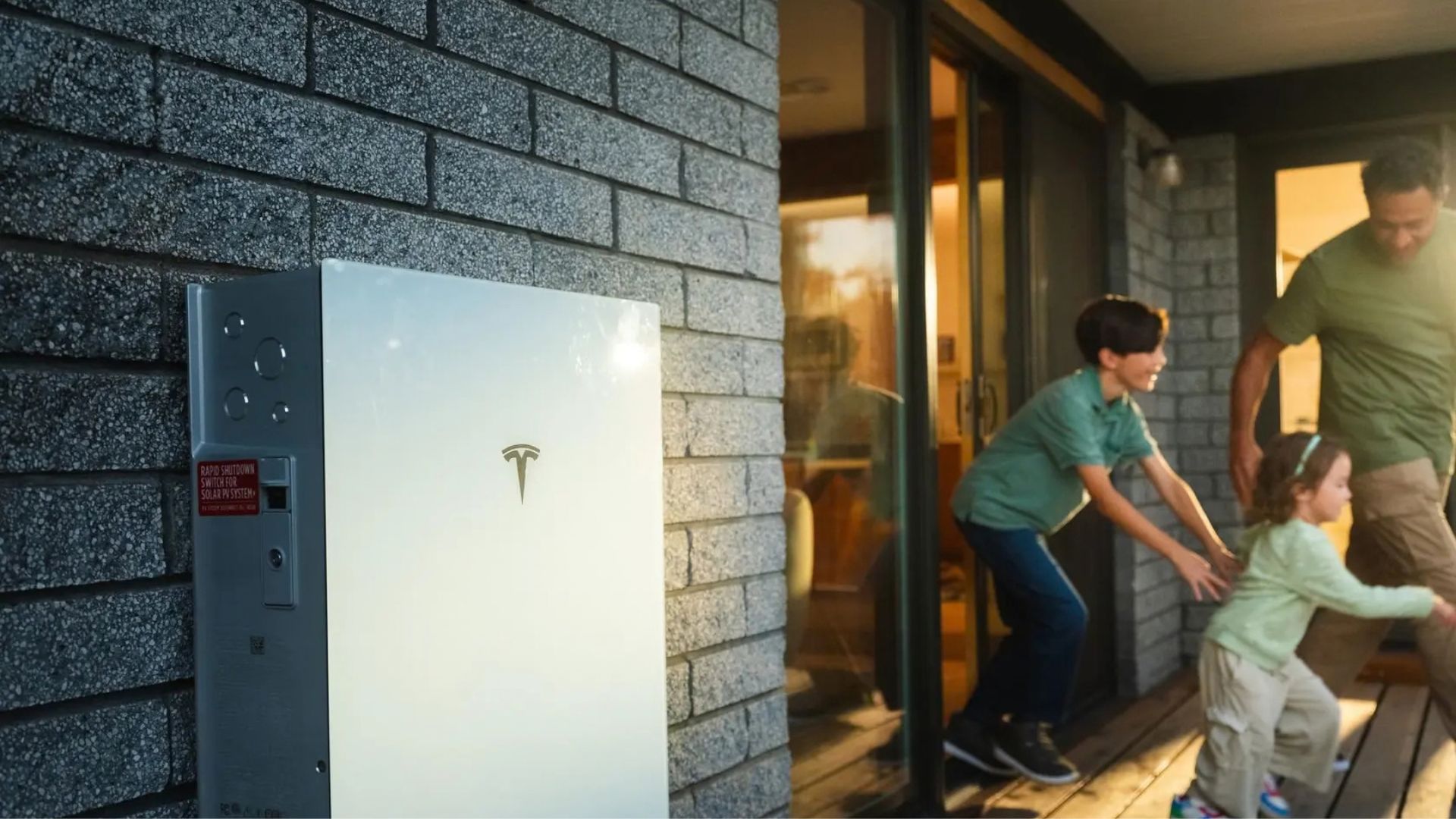
In a clean energy milestone, Sunrun and Tesla coordinated the release of more than 580 megawatts of electricity directly from customer-owned home batteries. It marks the largest residential “virtual power plant” dispatch event on record, supplying enough electricity to power every home in California’s Sacramento County at the same time. The electricity dispatch happened during a severe heat wave on September 9. It was a late-summer extreme weather event characterized by scorching, widespread temperatures across California and the American Southwest. Millions of air conditioners operating simultaneously created massive demand spikes on the power grid, especially during the late-afternoon and early-evening hours. The statewide event combined over 140,000 residential batteries for a three-hour evening dispatch. Tesla Powerwalls provided 517 MW (via 110,000 devices), while other residential batteries provided 63 MW. Sunrun also dispatched over 30,000 customer batteries made by other manufacturers. “Sunrun’s distributed home batteries are operating at a scale larger than many peaker power plants combined,” said Sunrun CEO Mary Powell. Powering through the peak The surge began when wholesale electricity prices crossed $200 per megawatt-hour. Between 110,000 Tesla Powerwalls and 30,000 non-Tesla home batteries, over 140,000 systems participated in a synchronized three-hour discharge. State utility regulators requested the push through two crisis programs: the California Energy Commission’s Demand Side Grid Support (DSGS) program and the Public Utilities Commission’s Emergency Load Reduction Program (ELRP). “Families depend on their Sunrun energy systems for outage protection and energy independence. This historic dispatch shows that the benefits of distributed energy go well beyond individual households as we help control the cost of electricity for all Californians and reduce the need for new costly poles and wires,” Powell added. These figures support her claim. Typical natural gas peaker plants produce 50 to 250 megawatts to manage sudden spikes in power demand. Drawing electricity from residential garages successfully substituted for two or three full-scale power plants without burning fuel. $206 million in potential savings Virtual power plant programs deliver broad financial and operational advantages across the electrical grid. Integrating home batteries eases wholesale price surges during extreme heat events and helps prevent rolling blackouts without the need for expensive new transmission lines. Plus, homeowners participating in these initiatives receive direct cash compensation for sharing their stored energy with the grid. According to an independent report by energy consultancy firm The Brattle Group, expanding these virtual power plants could deliver up to $206 million in net savings for California electricity customers by 2028. The record-setting dispatch is just the beginning. The following evening, on September 10, Southern California Edison called for a separate discharge that pushed another 140 megawatts onto the grid. Had both events occurred on the same night, total output would have topped 720 megawatts. Sunrun, Tesla, and Renew Home plan to expand their efforts significantly later this fall. The three companies will unlock up to 16.8 gigawatts of flexible capacity using smart thermostats, electric vehicles, and home solar systems. This initiative aims to supply energy support to power-intensive AI data centers and regional utilities. Tesla’s energy storage segment relies on its installed residential fleet, though quarterly deployments fluctuate sharply with project timing. Full-year deployments reached 46.7 GWh in 2025, up 49 percent from 2024, after hitting a record 14.2 GWh in the fourth quarter.Get the latest in engineering, tech, space & science - delivered daily to your inbox.Mrigakshi is a science journalist who enjoys writing about space exploration, biology, and technological innovations. Her work has been featured in well-known publications including Nature India, Supercluster, The Weather Channel and Astronomy magazine. If you have pitches in mind, please do not hesitate to email her.
140,000 home batteries generated 580 MW to save California grid during heat wave
Full Article
Original Source
Read the full article at Interestingengineering →KhanList aggregates and links to publicly available news content. We do not host full articles from third-party sources. Always verify important information with original sources.