
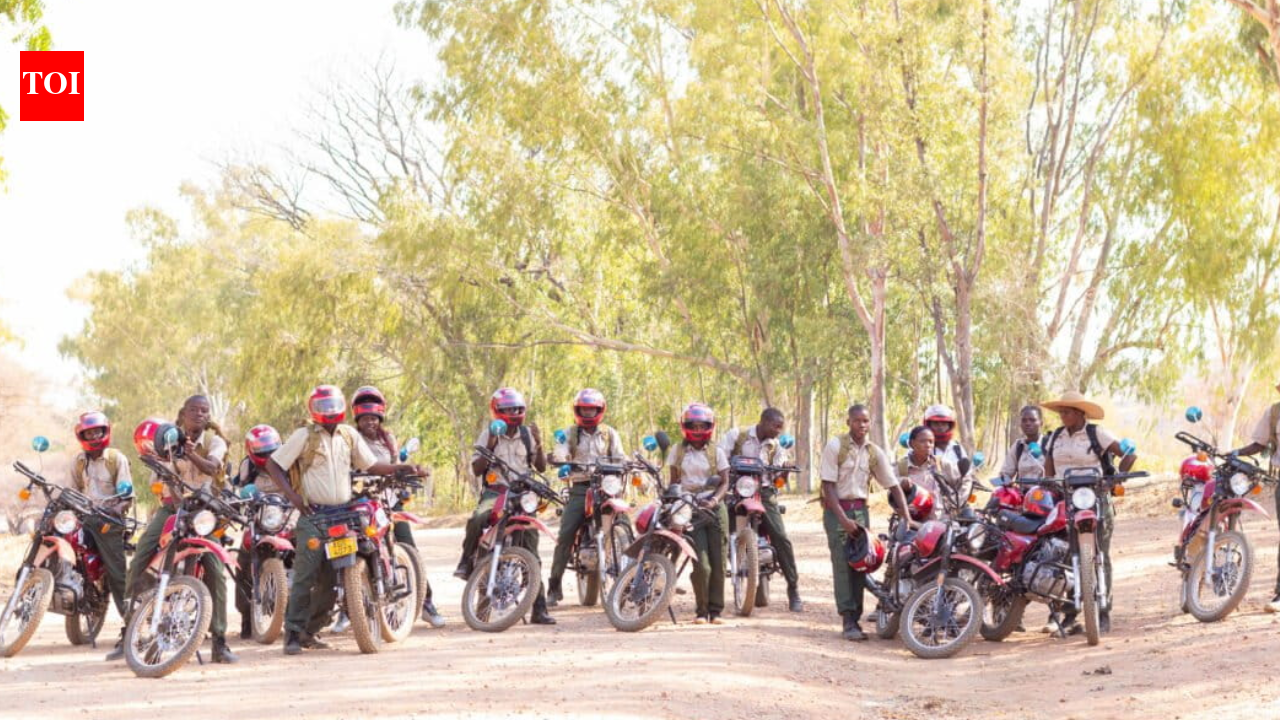
A community-led conservation initiative in Zimbabwe is reporting a significant decline in encounters between people and lions, offering a model for protecting wildlife without compromising the livelihoods of rural residents. Conservation biologist Moreangels Mbizah, founder of Wildlife Conservation Action (WCA), has trained local residents to monitor lion movements, protect livestock and respond to wildlife-related incidents. According to Mongabay, the initiative has recorded a 98% reduction in human-wildlife conflict incidents in two wards of Nyaminyami over approximately six years. The Guardian and the Whitley Fund for Nature have also documented the organisation’s approach and its growing conservation impact. At the centre of the programme is a network of locally recruited community guardians, known as Batabilili. Rather than relying exclusively on wildlife officials or conservation specialists from outside the region, WCA trains people who already live in communities sharing their surroundings with lions.Their responsibilities extend beyond monitoring wildlife. The guardians help farmers strengthen livestock enclosures, track the movements of lions and alert residents when predators approach settlements or farming areas. They also investigate incidents involving livestock losses, collect information about what happened and advise farmers on measures to prevent similar attacks.The programme uses a combination of traditional livestock management and modern monitoring techniques. GPS tracking collars fitted to lions help conservation teams understand their movements and provide early warnings when animals approach populated areas. The information allows guardians to alert residents and encourage them to avoid potentially dangerous locations. One of the key interventions involves improving livestock protection at night through secure, predator-resistant enclosures known as kraals. Solar-powered flashing lights, stronger fencing and better livestock management are also used to discourage predators from approaching domestic animals.The approach addresses a problem that has long complicated lion conservation in rural Africa. When lions attack cattle, goats or sheep, families can lose valuable sources of income and food. Without financial support or alternative ways to protect their animals, some residents resort to killing predators in retaliation. Mbizah identified this lack of support for affected communities as a major factor behind escalating conflict. Her organisation therefore places equal importance on responding to residents after an incident, including providing practical guidance and emotional support to families dealing with livestock losses.The results have extended beyond the two wards where the programme initially began. WCA reports a composite 53% reduction in conflict incidents across its wider project districts of Nyaminyami, Mbire and Binga. Its official figures also indicate that more than 10,000 households, representing over 41,000 people, have adopted non-lethal wildlife conflict mitigation measures.The organisation’s work has attracted international recognition. In April 2026, Mbizah received a Whitley Award from the UK-based Whitley Fund for Nature for her efforts to promote coexistence between communities and lions. The award, often associated with grassroots conservation projects, is supporting plans to expand the programme and strengthen its community guardian network.According to the Whitley Fund for Nature, WCA’s interventions cover approximately 2.6 million hectares in Zimbabwe’s Zambezi Valley and have helped protect nearly 18,000 livestock valued at around $2.3 million. The organisation is also working to improve livelihoods through initiatives such as beekeeping, which provides additional income while encouraging communities to protect surrounding forests.Mbizah’s conservation work also extends to education and opportunities for women entering the field. Through a programme called Conservation Sisters, she provides mentorship, training and professional opportunities for female university students and recent graduates. WCA reports that 432 women have benefited from its mentorship and practical work experience initiatives.The programme reflects challenges Mbizah encountered during her own career, when opportunities and mentorship for young Black Zimbabwean women in conservation were limited. By connecting students with experienced professionals and providing fellowships, the initiative aims to create clearer pathways into the conservation sector. WCA is also working with Zimbabwe’s wildlife authorities and environment ministry on the development of a national human-wildlife conflict and coexistence strategy. The organisation has gradually expanded its community guardian model beyond its original two wards, with plans to extend its reach into additional wildlife conflict hotspots.The broader challenge remains significant, as habitat fragmentation, expanding agricultural activity and competition for land continue to bring people and large predators into closer contact. However, the Zimbabwean initiative demonstrates how involving residents directly in conservation can help address the economic and social pressures that often lead to retaliatory killings. By making local communities active participants rather than treating them simply as people living alongside protected wildlife, Mbizah’s model is seeking to establish a more sustainable relationship between people and lions.
Zimbabwe conservationist's lion guardians cut human-lion conflict by 98%
Full Article
Original Source
Read the full article at Timesofindia →KhanList aggregates and links to publicly available news content. We do not host full articles from third-party sources. Always verify important information with original sources.