
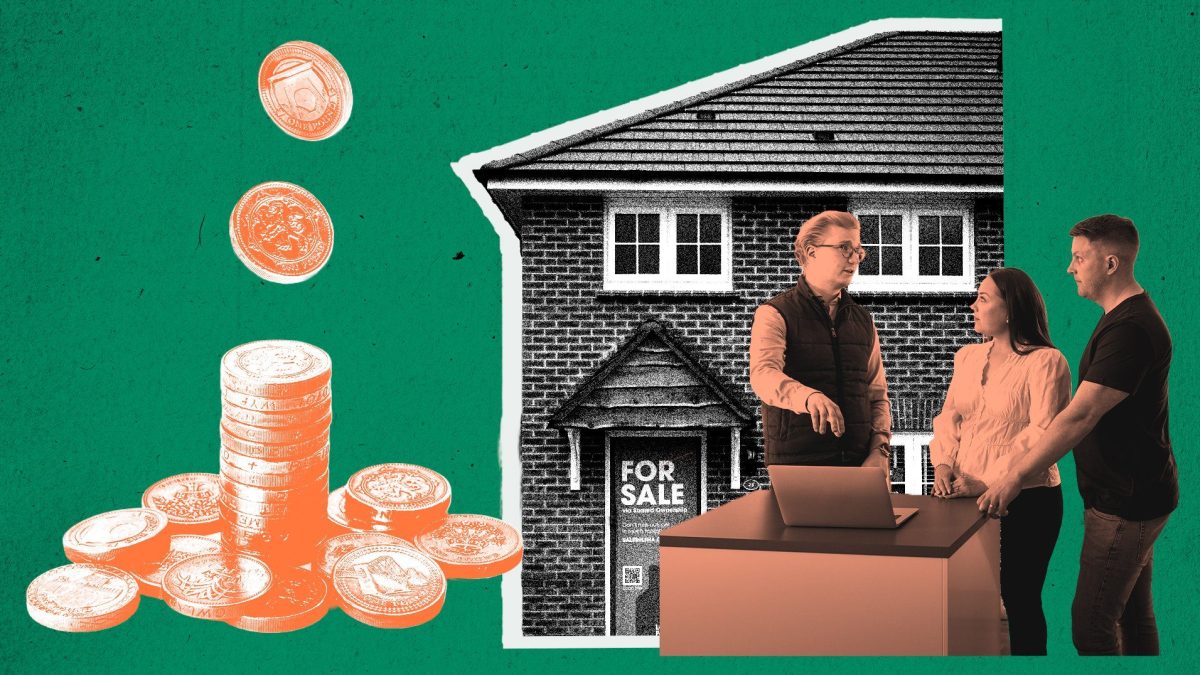
Pete Apps is a journalist and contributing editor at Inside Housing. He is the author of Homesick: How Housing Broke London and How to Fix It Britain’s housing market is in a slump. More and more people trying to sell are finding that nobody is willing to pay what they’re asking for their homes. Some find that their shared ownership flats look like bad value to buyers. Others don’t want to take a hit on what they paid when prices were climbing more quickly. And the slow progress on leasehold reform has left other sellers in limbo. So, who’s responsible for Britain’s unsellable homes? Housing reporter Pete Apps, policy expert Rose Grayston and housing guru Charlie Lamdin give their perspectives. Ten years ago, it would have seemed almost fantastical to believe that UK house prices could go into a sustained decline. We had lived through such a long period of house price expansion that growth seemed like a natural law of physics – a sort of reverse gravity. In the 11 years from summer 1996 to summer 2007 the average UK house price grew by more than 200 per cent. Then after the bump of the financial crisis, they grew again – not as rapidly, but still sharply enough for anyone who owned one to get richer and anyone saving for one to get more cut further adrift. People might not yet have realised it, but we have not been living in this world for some time. Since 2018, prices have first stabilised then drifted down in real terms. Research by the market analysts BuiltPlace for The Times shows house prices have fallen by 13.2 per cent since October 2021 when adjusted for the Consumer Prices Index of inflation, and 17.8 per cent when Retail Prices Index inflation is used. Some homes are not selling at all and in some regions – particularly in higher-end London areas – prices have toppled dramatically. Yet nobody seems to have noticed that their home is worth much less than they think. Average house prices keep ticking up the way they broadly have since the financial crash, and unless you’re trying to sell, you could easily not have seen what the market is really like. What’s going on? Well, first, the world has changed. The growth in house prices up to 2007 and in the 2010s was fuelled by very low interest rates. This made borrowing cheap and allowed mortgage finance to drive prices up much faster than wages. It also meant investors craved property which pumped up demand. The interest rate rises which followed Covid-19, the war in Ukraine and Liz Truss’s premiership brought this era to a sharp end. Rates rose, mortgage repayments cost more and people simply couldn’t afford the repayments they would once have made. The cycle of ever-rising prices bumped to a halt. Other elements had an impact too. The “Help to Buy” programme developed by the coalition government in 2013 ended after 10 years in 2023 with nothing to replace it. Various property taxes deterred buyers – particularly investors, whether from overseas or landlords. All of this pushed demand down, especially in bigger cities where Help to Buy and investor-buyers made up bigger chunks of the market. In some ways, you could argue that this is no bad thing. Hyper-charged house price growth makes some winners very rich, but wrecks the life chances of those unable to save for a deposit. The last five years could be read as a steady reversion in the market towards what people can actually pay. Sellers can find buyers if they are willing to drop their prices a bit. A prolonged period of wage growth and static house prices could make a dent in one of the UK’s biggest social problems, without causing the upheaval of a full-scale property market crash. But this optimistic view overlooks what is really happening in the market at the moment, which is masked by the headline numbers. There’s a startling differentiation in the market between houses and flats. The average house price is £327,000 (according to the Zoopla index) and rising in many regions. The average price of a flat, meanwhile, is £193,000 – the biggest gap in records stretching back 30 years. Selling a flat at all is now a nightmare. A few things are at play here. First, the reduced demand from investors, and the removal of Help to Buy, has hit London flats hardest. The long hangover of the pandemic is also lurking – people who lived through a lockdown value garden space more than they did, and the rise of remote working means the allure of a shorter commute is less of a factor. But bigger – in my view – is a 10-year period which has triple underlined what a desperately poor deal buying a leasehold flat can be. The truth is out, and demand has collapsed. It’s a huge problem. In London, 96 per cent of new-build properties are flats and builders are responding to vanishing demand by locking up sites half-built, with serious economic consequences. In opposition, the Labour Party understood this but has pushed once bold plans to unpick and replace leasehold into a potential second term. Many of those unlucky enough to live in one of these flats and looking to move are trapped, and simply unable to afford the price cut they would have to offer to sell. For them, the dream of taking the next step on the housing ladder has become a nightmare.
Your house is worth far less than you think
Full Article
Original Source
Read the full article at Inews →KhanList aggregates and links to publicly available news content. We do not host full articles from third-party sources. Always verify important information with original sources.