
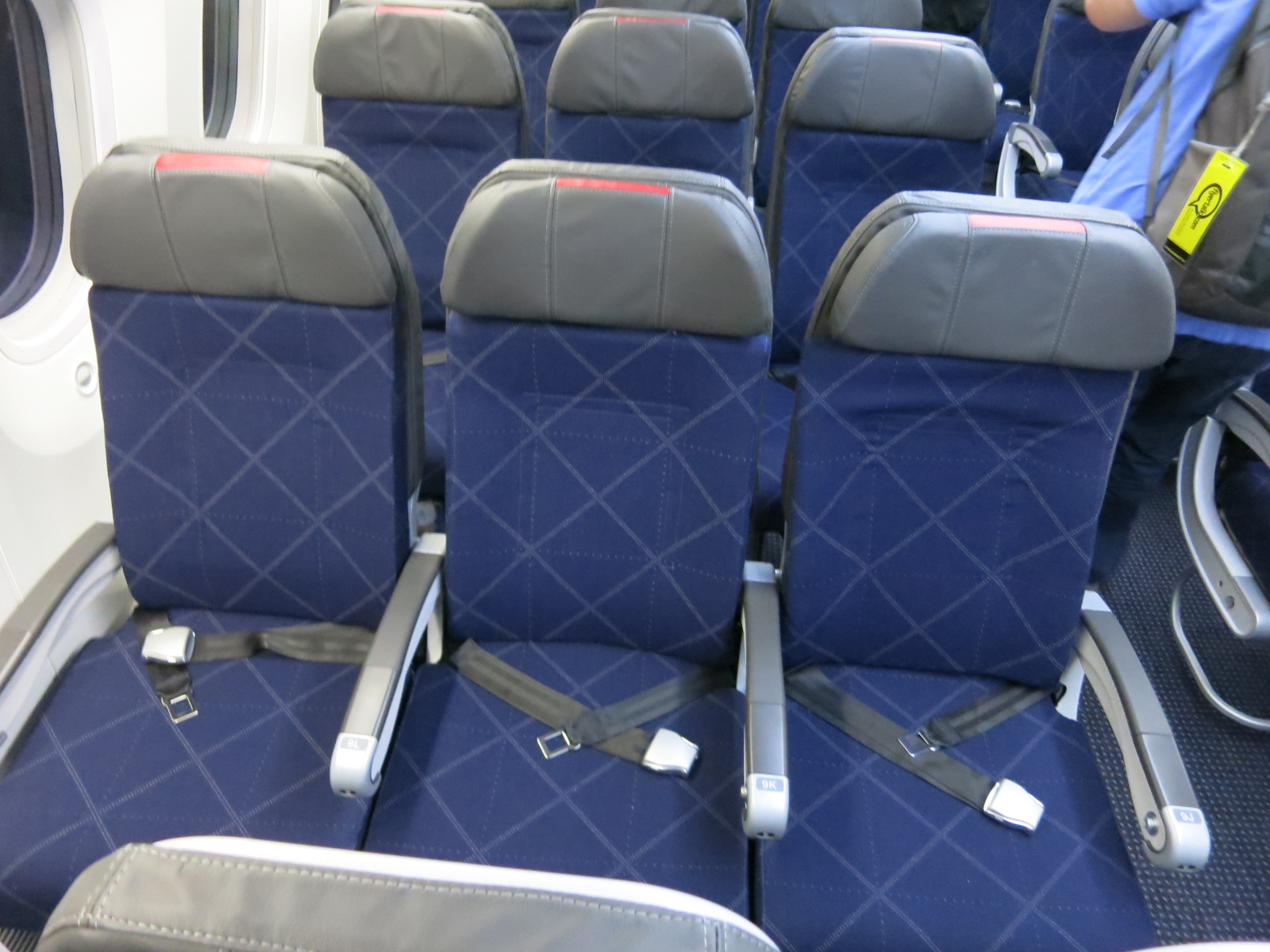
easyJet’s vacation business generated £250 million in pretax profit last year. That’s nearly 38% of the airline group’s earnings. Selling customers the rest of their trip has become a huge part of what makes the airline profitable. Southwest wants some of that business, too. They’ll even give you back two free checked bags when you buy a vacation package. But after trumpeting packages as part of their turnaround, they’ve been much quieter about how that business is actually doing. The new IdeaWorks Yearbook of Airline Ancillary Revenue from Jay Sorensen has some great examples of airlines finding things customers might actually want to buy. There’s plenty of money to be made selling a better trip. Vacation Packages Are A Serious Profit Business Here’s the growth in easyJet’s holidays business, drawing on the yearbook’s easyJet profile and the company’s annual results: EasyJet holidays Fiscal 2024 Fiscal 2025 Holiday customers 2.575 million 3.090 million Revenue excluding flights £1.137 billion £1.440 billion Pretax profit £190 million £250 million Pretax margin, including flight revenue 12% 13% Customers grew 20% and profit grew about 32%. And the holidays division’s £60 million increase in pretax profit exceeded the entire group’s £55 million increase in pretax profit. Holidays accounted for more than easyJet’s entire earnings growth. The airline knows where you’re traveling and when you’re going and can sell you a hotel room, transfers and activities – earning money on purchases you’d otherwise make somewhere else. Negotiating a good enough hotel rate, packaging it with the flight to make discounting opaque, and there can be room for a lower total price and more profit. Not every market does this as well. EasyJet’s results vary enormously: EasyJet market Share buying holidays United Kingdom to beach destinations 20% United Kingdom to city destinations 5% Continental European beach destinations 1% Continental European to city destinations Less than 1% A British family buying a beach holiday and someone flying to a city for a meeting aren’t going to have the same take rate. Visiting friends and relatives traffic may involve hotels but just as likely sleeping in a spare bedroom. Southwest Hasn’t Divulged Vacation Package Results Southwest’s new in-house Getaways business launched in August 2025, replacing the outsourced vacation product they’d previously offered. Their annual report described more than 25 direct hotel partnerships across more than 30 destinations. The benefits include two free checked bags, five Rapid Rewards points per dollar on eligible package spending, and cancellation credits with an 18-month life. I wrote last October that booking flights with a rental car could sometimes cost less than buying the flights alone, while bringing back free bags. That’s worth checking even for travelers who don’t normally think of themselves as package vacation customers. While the airline trumpeted how much revenue potential this business would represent for them, I haven’t found much in the way of disclosures. It doesn’t even get a mention in Southwest’s latest quarterly earnings release. A September 14 promotion offered up to $500 off a five-night package for two. They’re giving customers reasons to book, but it’s unclear if that’s because it isn’t doing well or because it is. Borrowing To Buy The Package Boosts Profits Even More There’s another side to getting customers to buy more of their trip from the airline. I’ve reported that 10%–15% of United Vacations sales each month were financed, according to the head of the third-party financing company being used. Someone might be bridging the time until a bonus arrives, avoiding an inconvenient asset sale, or getting cheaper financing than they’d otherwise use. But it’s still something to borrow for vacations to that extent. An Empty Seat Can Be Worth Selling Several airlines, including TAP Air Portugal, merchandise empty adjacent seats when available during check-in. Some carriers even sell it during the booking flow. With U.S. carriers you can generally buy an extra seat for yourself at the prevailing price just because you want more room. Only United makes it possible to do this online. Selling more space in coach means the airline earns money from seats that might otherwise go unsold and the passenger gets a more comfortable flight. A key risk to the airline is that this might be attractive to someone who’d otherwise spend more for a premium seat. I’ve been writing about buying an extra seat for yourself since 2018, and covered selling blocked middle seats and entire rows through the booking process in 2020. This should be easy to buy, with the airline’s systems ensuring that the empty seat stays empty. If the airline expects to sell that seat to another passenger for a high fare, they can turn off the option or charge more for it. The yearbook describes another useful detail at Transavia: sales of its Smart fare, which includes an overhead cabin bag, are limited to expected overhead bin capacity. They’re treating the space as something finite when deciding how many of those fares to sell. That makes it a real benefit. Sometimes The Airline Should Buy Your Ticket Back When a flight is full, the airline can pay an existing customer to make room for someone who wants the seat more. Currently, several U.S. carriers will proactively send offers to let you ‘change flights for free’ but this takes it a step further. I wrote about Viva Aerobus developing this in August 2023. Instead of accepting another booking and hoping to find a volunteer at the airport, the airline could first make a deal with someone willing to give up their place. The yearbook now describes Viva’s MarketPlace feature: customers can sell unused tickets back at a price the airline offers, receiving travel credit. Transavia has a resale product as well, with tickets returned to its regular sales channels. This preserves the airline’s ability to charge a high last-minute fare. The original customer gets something for surrendering a booking they may no longer want, and another passenger gets access to a flight that might otherwise be unavailable. Transavia’s terms offer up to 50% of the original ticket price back, with airport taxes fully refunded. Payment goes back to the original payment method after resale. Eligibility restrictions apply, including a requirement to submit the request at least 12 hours before departure. The airline retains control over the offer and whether a resale happens. And a payout capped at half the original price doesn’t create a profitable ticket-flipping opportunity for speculators through this program. It can still be a useful improvement for someone who’d otherwise forfeit the fare. Topics on this page
You Can Buy An Empty Middle Seat—And Some Airlines Will Buy Back Tickets You Can’t Use
Full Article
Original Source
Read the full article at Viewfromthewing →KhanList aggregates and links to publicly available news content. We do not host full articles from third-party sources. Always verify important information with original sources.