
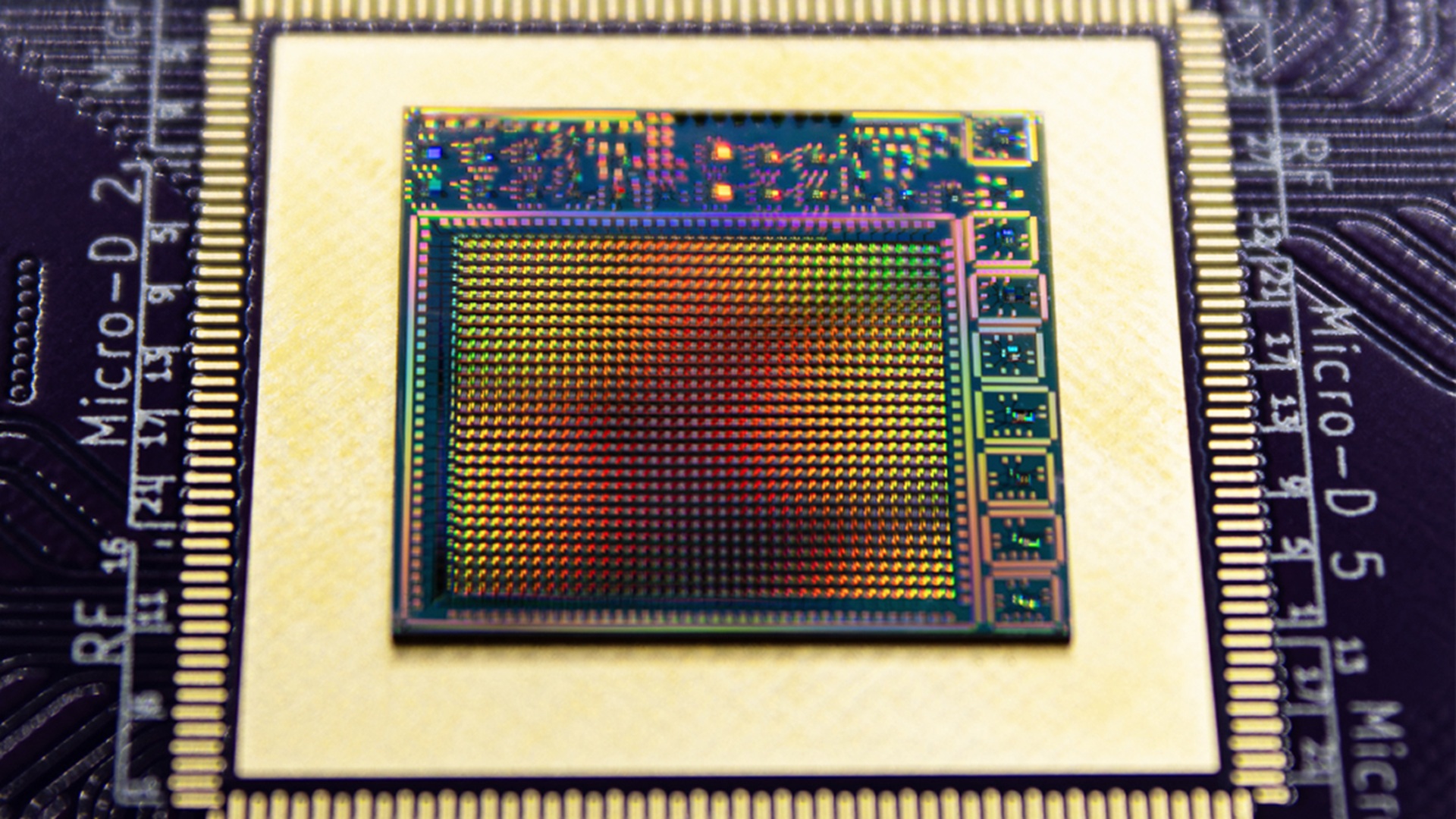
Scientists in the state of New York have created a first-of-a-kind superconducting neural chip that can reportedly process about one million fusion plasma samples per second. The new Super Intelligence (SI) computer chip was designed by researchers at the US Department of Energy’s (DOE) Brookhaven National Laboratory (BNL). For the project, they partnered with the Princeton Plasma Physics Laboratory (PPPL), the DIII-D National Fusion Facility, and Colorado-based tech company Great Sky. BNL noted that the chip relies on superconducting circuits to mimic human neural networks. It could eventually improve the way fusion reactors monitor and control hot plasma. Lab tests showed the chip could detect unusual plasma behavior and predict instabilities. “It’s incredible to see the team processing data from our tokamak with this first-of-a-kind chip,” Richard Buttery, PhD, DIII-D Director, said. The team believes the technology could support faster and more reliable fusion reactor control systems. Handling plasma data Fusion reactors use magnetic fields to keep hot plasma confined at temperatures between 180 and 270 million degrees Fahrenheit (100 and 150 degrees Celsius). This extreme temperature is roughly 10 times hotter than the core of the Sun. Still, plasma conditions can change rapidly, making real-time monitoring essential to keep it stable. This requires computers that can process huge amounts of data almost instantly. But conventional silicon-based computing systems struggle to process such large amounts of data quickly enough. The wafers in the first-of-a-kind chips mimic human brain networks.Credit: Great Sky Inc. However, the novel superconducting neural chip can process signals at extremely high speeds. It uses superconducting circuitry arranged to mimic the connections found in the human brain. To test it, the scientists collected data from the DIII-D tokamak, a fusion research facility run by General Atomics in California. Two of these tests assessed the chip’s ability to spot unusual plasma activity and predict disruptions. The data were collected at a rate of one million samples per second, and the chip successfully handled the pace. “This is a powerful new platform for implementing many of the SI algorithms our team at Brookhaven Lab is developing,” Shinjae Yoo, PhD, CDS AI department chair and the project’s principal investigator, said. Plasma instabilities In addition, a third experiment conducted by the team, involved simulated plasma data generated by TORAX. The system is a differentiable tokamak core transport simulator developed by Google DeepMind’s fusion team. During the experiment, the chip analyzed signals to predict the onset of sawtooth instabilities, which involve rapid changes in plasma conditions. The results showed that superconducting neural networks could potentially support real-time plasma monitoring and stabilization. Steven Cowley, PPPL director, stressed the importance of creating faster control systems for fusion reactors. “We are building the fusion machines of the SI era,” he added. “This chip took data straight from a tokamak at millions of samples every second and kept up.” Great Sky stated that the device is its largest superconducting neural chip to date. Similar chips could reportedly find use in quantum computing, cybersecurity, and high-speed X-ray data analysis. At present, the team is developing a new chip with a neural network 10 times larger than the current design. They plan to present the hardware at BNL in early 2027, before it undergoes testing at the DIII-D tokamak during fusion experiments later that year.“This is just the beginning,” Jeff Shainline, Great Sky founder and CEO, concluded in a press release. “This approach to AI hardware has so much to offer with regard to fusion, as well as other applications at the forefront of technology.”Get the latest in engineering, tech, space & science - delivered daily to your inbox.Based in Skopje, North Macedonia. Her work has appeared in Daily Mail, Mirror, Daily Star, Yahoo, NationalWorld, Newsweek, Press Gazette and others. She covers stories on batteries, wind energy, sustainable shipping and new discoveries. When she's not chasing the next big science story, she's traveling, exploring new cultures, or enjoying good food with even better wine.
World-first brain-inspired smart chip studies 1 million plasma samples per second
Full Article
Original Source
Read the full article at Interestingengineering →KhanList aggregates and links to publicly available news content. We do not host full articles from third-party sources. Always verify important information with original sources.