
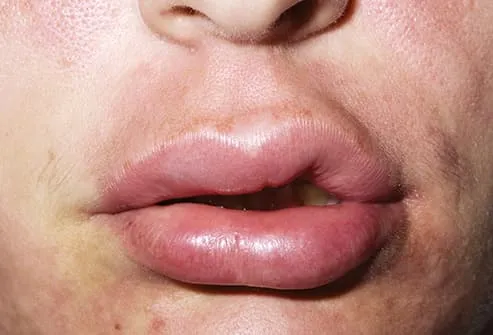
Key FindingsA 33-year-old woman presented with 3 years of recurrent, painless lower-lip swelling. Biopsy showed noncaseating epithelioid granulomas, and systemic causes such as sarcoidosis and tuberculosis were excluded, supporting the diagnosis of granulomatous cheilitis.The case report by internist Valeria Gonzalez Quiroz and colleagues from the Instituto Mexicano del Seguro Social in Durango, Mexico, documents a rare, idiopathic, noninfectious, chronic condition.The Patient and Her Medical HistoryThe patient presented to the emergency department of a hospital in Durango with recurrent, painless, nonitchy lip swelling that had been present for 3 years and primarily affected the lower lip. She denied any respiratory, gastrointestinal, or neurologic symptoms.There were no known relevant preexisting conditions.Her medical history regarding medications, family history, social history, substance use, travel history, and allergies was unremarkable.FindingsUpon admission, the patient’s vital signs were measured. Respiratory rate, heart rate, blood pressure, oxygen saturation in room air, and body temperature were within their respective normal ranges.Inspection, auscultation, palpation, and percussion of the patient’s body confirmed the information provided in the medical history. The middle portion of the lower lip exhibited soft edema and two superficial fissures. There were no other cutaneous or mucosal abnormalities. A preliminary neurologic examination revealed no facial nerve palsy or impaired tongue function.Initial antiallergic therapy with systemic antihistamines did not result in clinical improvement. Comprehensive laboratory testing, including liver function tests, angiotensin-converting enzyme measurement, and viral serology, yielded no significant findings.DiagnosisA punch biopsy of the lower lip, followed by histopathologic examination, revealed multiple, well-formed epithelioid granulomas without caseous necrosis. They were located primarily in the superficial and deep lamina propria and submucosa. The granulomas were surrounded by mild-to-moderate lymphocytic inflammatory infiltrates and were associated with interstitial fibrosis and stromal edema. There was no central necrosis. Significant vasculitis or perineural inflammation was also absent.Examination under polarized light revealed no foreign material. Periodic acid-Schiff staining showed no fungi.Based on the overall findings, granulomatous cheilitis was considered the most likely diagnosis. Further systemic evaluation, including a chest x-ray and a QuantiFERON-TB-Gold test, yielded no evidence of sarcoidosis or tuberculosis.Discussion“This case demonstrates the typical clinical and histopathologic features of granulomatous cheilitis,” wrote the case authors. It also illustrates how challenging the diagnosis can be because the disease shares similarities with several other potential causes of persistent lip swelling. Since there are currently no guidelines for standardized therapy, treatment must be individualized. Rigorous follow-up is recommended.This article was translated from Univadis Germany, part of the Medscape Professional Network.
Woman’s 3-Year Lip Swelling Reveals Granulomatous Cheilitis
Full Article
Original Source
Read the full article at Medscape →KhanList aggregates and links to publicly available news content. We do not host full articles from third-party sources. Always verify important information with original sources.