
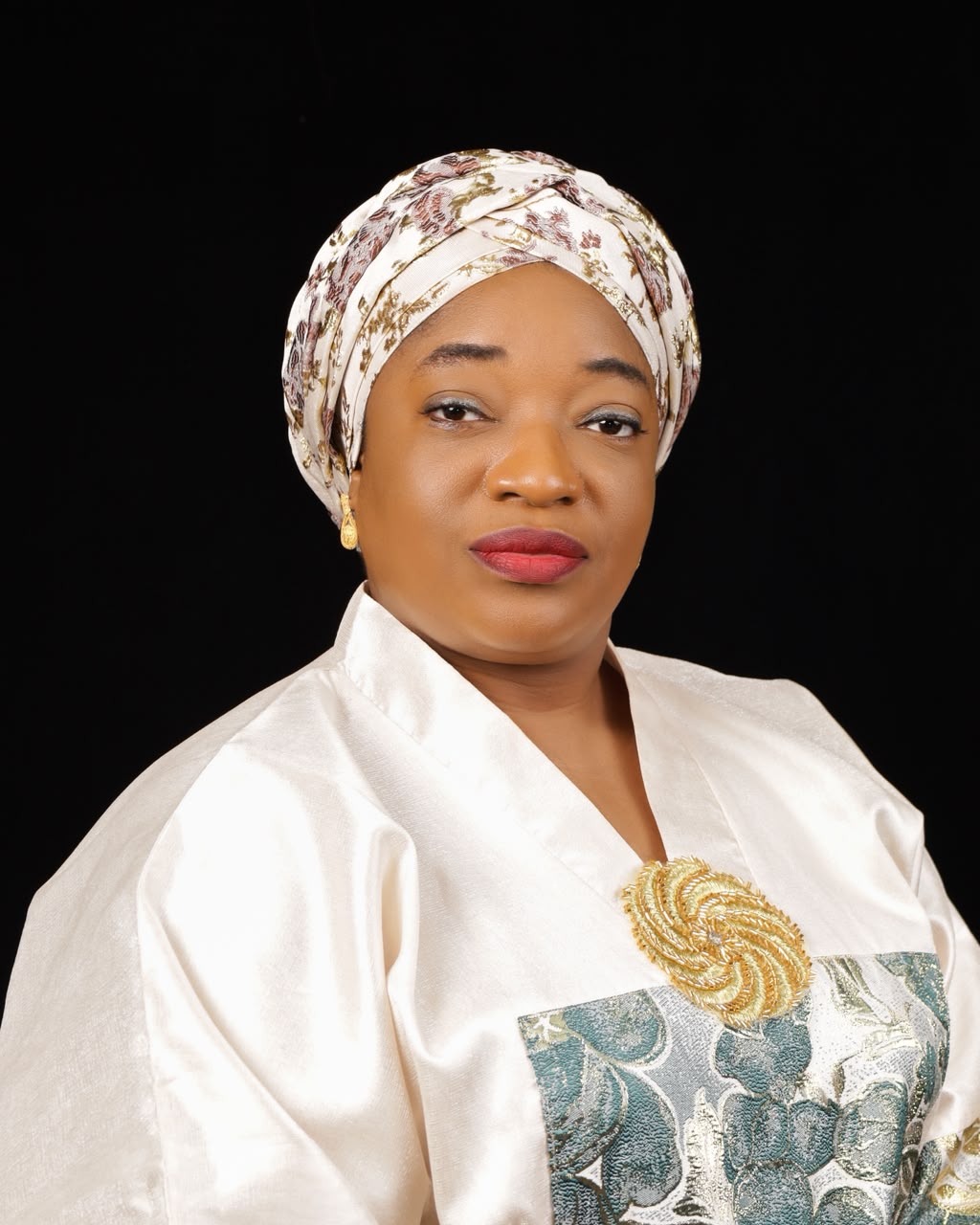
Follow THISDAYLIVE on GoogleAdd us as a preferred source to see more of our stories in Google Follow us on Google Folalumi Alaran in Abuja The Executive Director of Women in Mining Africa (WiM-Africa), Dr Comfort Asokoro-Ogaji, has called on West African governments to move beyond mineral investment announcements and prioritise industrial development, local ownership and shared economic prosperity. She said the region’s mineral wealth would only deliver lasting economic benefits if investments translated into operational projects, processing facilities, stronger local businesses and improved livelihoods in mining communities. Asokoro-Ogaji made the call in an institutional contribution ahead of the West Africa Integration and Investment Summit (WAIIS) 2026 in Sierra Leone, where governments, investors and development institutions are expected to deliberate on regional integration and investment opportunities. She said mineral development must be linked to a broader industrialisation agenda supported by credible project preparation, regional infrastructure, responsible production and wider economic participation. According to her, governments and development partners must prioritise the conditions required to make mining projects attractive to investors, including reliable geological data, technical studies, clear mining rights, infrastructure and viable market access. She stressed that environmental and social assessments, community engagement, commercial analysis and appropriate financing arrangements were essential to moving mineral projects from proposals to implementation. The WiM-Africa executive director also advocated stronger regional cooperation to develop mineral value chains, noting that processing facilities, mineral deposits, ports and reliable power sources could be located in different countries. She said coordinated infrastructure planning, harmonised standards, efficient customs procedures and predictable operating conditions would enable West African countries to develop competitive processing industries. Asokoro-Ogaji identified laboratories, engineering services, equipment maintenance, logistics and environmental management as critical components of industrial capacity that could create opportunities for local enterprises. On responsible mining, she said mineral traceability must go beyond identifying the origin of minerals to ensuring safe working conditions, environmental protection and fair treatment of host communities. She called for stronger regulatory oversight and inspections, urging mining operators, traders and downstream buyers to ensure that minerals were produced responsibly. She further advocated practical formalisation pathways for artisanal and small-scale miners, including access to technical support, safer equipment and legitimate markets. On community participation, Asokoro-Ogaji said mining investments must adequately address their effects on land, water, livelihoods and local economies. She maintained that host communities should be involved in project decisions from the design stage, while compensation, livelihood restoration and grievance mechanisms must be transparent and accessible. The WiM-Africa chief also called for expanded economic opportunities for women-owned businesses and local enterprises through access to procurement information, financing, technical certification and fair contracting arrangements. She said women’s participation in the mining industry should extend beyond employment and training to ownership and decision-making positions, particularly in areas involving budgets, contracts and investment decisions. Asokoro-Ogaji proposed a 90-day post-summit implementation framework under which participating institutions would identify priority projects, assign responsibilities, establish financing pathways and set measurable milestones. She said progress assessments should distinguish between investment commitments announced, funds disbursed, infrastructure delivered, operational facilities and contracts paid. Other indicators, she said, should include local business growth, technical employment, women’s ownership, improved safety standards and better outcomes for mining communities. She added that the ultimate measure of success for West Africa’s mineral investment agenda should be the productive enterprises, skilled workforce, functioning infrastructure and empowered communities left behind. https://meet.google.com/call?authuser=0&hl=en&mc=KAIwAZoBEzoRcGludG9feWszMXpha3RqaziiATcyAlAAOgIQAUoECAEQAVoCCABqAggBcgIIAXoCCAKIAQGSAQIQAZoBBBgBIACiAQIQAOIBAggAsgEHGAMgACoBMMIBAiAB2AEB&origin=https%3A%2F%2Fmail.google.com&iilm=1794975106812
WiM-Africa Admonishes West Africa to Turn Mineral Wealth into Industrial Growth
Full Article
Original Source
Read the full article at Thisdaylive →KhanList aggregates and links to publicly available news content. We do not host full articles from third-party sources. Always verify important information with original sources.