
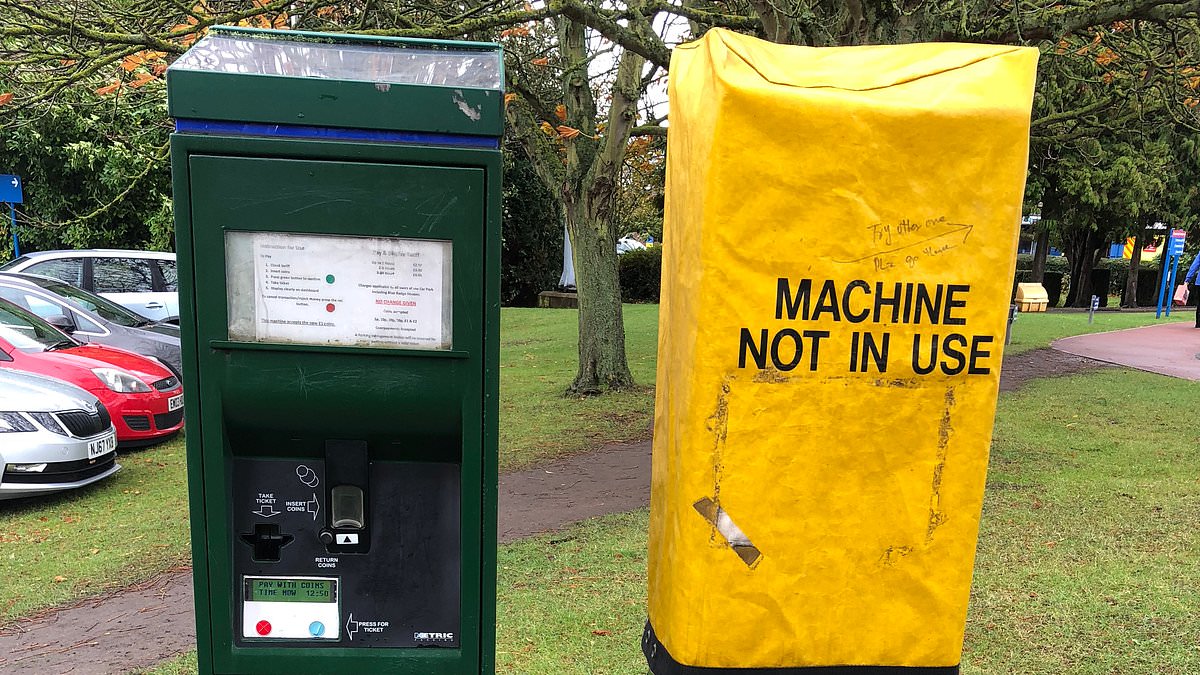
Motorists will finally be given new rights on unfair private parking charges as the Government announces new rules.The long-awaited Private Parking Code of Practice will be laid out in Parliament today – but some critics don't think they go far enough.Charges will be scrapped on appeal for honest mistakes, like stopping briefly to check directions, while smaller slip-ups, like forgetting a parking permit, will be capped at a maximum charge of £20. The Code freezes the maximum parking charge at £100.The changes have been almost a decade in the making, with drivers left at the mercy of cash-hungry private parking operators.This is Money has been campaigning for a change in the law for years, with the then local government minister, Rishi Sunak MP, telling us in 2019 that 'rogue operators are on their way out for good'.With private parking companies having issued a record 16.9million charges in the year to March 2026 – a 360 per cent rise from 2015/16 – will this new Code finally stop unfair practices and protect drivers? We take a look... The Government's Private Parking Code of Practice has been announced. The code will allow drivers to challenge unfair private parking charges easilyWhat is the Private Parking Code of Practice? The Parking Code of Practice Act came into force in 2019 and required the Secretary of State to prepare a code of practice containing guidance about the operation and management of private parking facilities in England, Scotland and Wales.Essentially, it promotes good practice that private parking firms have to adhere to in how they operate and manage their facilities and sets out guidance about appeals for drivers.The aim is to raise standards in the private parking industry.What are the new parking codes and how do drivers benefit? The Code sets out ways to stop drivers being penalised for honest parking mistakes and small slip-ups, protecting drivers against hefty fines.For the first time, the Code brings in a fully independent Scrutiny and Oversight Board and requires operators to share more information with the Government, giving drivers stronger protections.Motorists will have their parking charge cancelled where they can provide evidence that one of the scenarios set out in the Appeals Charter applies to them. These scenarios include:5-10 minute grace period: The Code guarantees drivers five minutes to decide whether to park and ten minutes to leave once their session ends, extending the grace period for drivers without them facing a penalty.Cancellation of charges for situations drivers can't control: Drivers will have the right to have charges cancelled on appeal for issues they can’t control, like a vehicle breaking down in a car park. Similarly, a medical emergency, stopping briefly to check directions, or a broken ticket machine are all seen as situations beyond a driver's control – and therefore charges will be cancelled on appeal.Smaller slip-ups: For smaller slip-ups, like forgetting a parking permit, entering the wrong vehicle's registration, or forgetting to confirm it in the machine when parking, drivers will face a maximum charge of £20 on appeal.Maximum parking charge freeze: The Code brings in a maximum parking charge freeze of £100. How will the Code be enforced? Operators who don't comply risk losing access to DVLA data, meaning that even if they issue a charge, it will be far more difficult to identify the registered owner to pursue payment.Parliament will now have time to scrutinise the new Code before ministers press ahead to bring it into force as soon as possible.The Government has also promised to go further still by consulting as soon as possible next year on private parking debt recovery fees, including whether to cut an existing £70 cap or scrap the fees altogether.Alongside the Code, the Government announced additional measures to protect drivers today, including making the illegal practice of 'car clocking' – where unscrupulous second-hand car dealers wind back odometers to disguise a vehicle’s true mileage – an officially banned practice to make it easier for enforcers to crack down.Is the new Code welcome? Or does it not go far enough? Today, Prime Minister Andy Burnham said that he's 'putting a stop' to 'hefty fines landing on your doormat'.'These [private parking] charges leave people feeling ripped off and out of pocket, so I’m putting a stop to them. 'We are introducing clearer rules, longer grace periods and lower charges for genuine mistakes, while going after the deliberate scams that rip drivers off.'Safety charities and motoring organisations have called the Code 'a step in the right direction', but have said it falls short of a full solution that will ensure the balance is in favour of drivers rather than parking firms.IAM RoadSmart director of policy Nicholas Lyes said: 'It is welcome to see new protections put in place for drivers through a single code of practice; however, we would have liked to see a single appeals system and action against debt recovery organisations as part of the package. 'Ultimately, we need to get to a place where parking on private land is a seamless, straightforward, and clear process, not one fraught with potential traps which leaves drivers unfairly out of pocket.'Jack Cousens, head of roads policy at The AA, said: 'While this is a good first step, there is still a huge amount of work to do, such as tackling the scourge of debt recovery fees. 'Ultimately, we need to stop charges being issued in the first place, especially where the driver has done nothing wrong.'RAC head of policy Simon Williams said: 'This is a step in the right direction to protect drivers from the poor practices of some private parking companies, but not the leap we've been campaigning for for so long. 'We've long called for the banning of debt recovery fees being added on top of parking charge notices (PCNs) and a single independent appeals body to replace the two industry-run ones, but neither have been included, which is disappointing. 'While this isn't quite the Christmas present we wanted for drivers, it should hopefully save many the stress of having to challenge unfair tickets.'Has the Government addressed This is Money's calls? In 2019, in a campaign backed by AA President Edmund King, This is Money called for three changes to be made:To give drivers the option to stop the Driver and Vehicle Licensing Agency allowing private firms to buy their details for £2.50 a pop.For the independent appeal process to be made fairer.For the DVLA to investigate when large numbers of applications are made for a specific location frequently to see if the charge is fair.While the Code does stipulate that operators who don't comply risk losing access to DVLA data, it has not stopped the DVLA allowing private firms to buy driver details.The independent appeal process has been made fairer thanks to the new Code's scenarios set out in the Appeals Charter. However, the DVLA will not investigate if a large number of applications have been made for a specific location.Nevertheless, the Code is yet to be scrutinised in Parliament, and the Government has promised to go further still by consulting as soon as possible next year on private parking debt recovery fees.
Will new rules finally help stop the avalanche of private parking charges? We reveal what you need to know...
Full Article
Original Source
Read the full article at Dailymail →KhanList aggregates and links to publicly available news content. We do not host full articles from third-party sources. Always verify important information with original sources.