
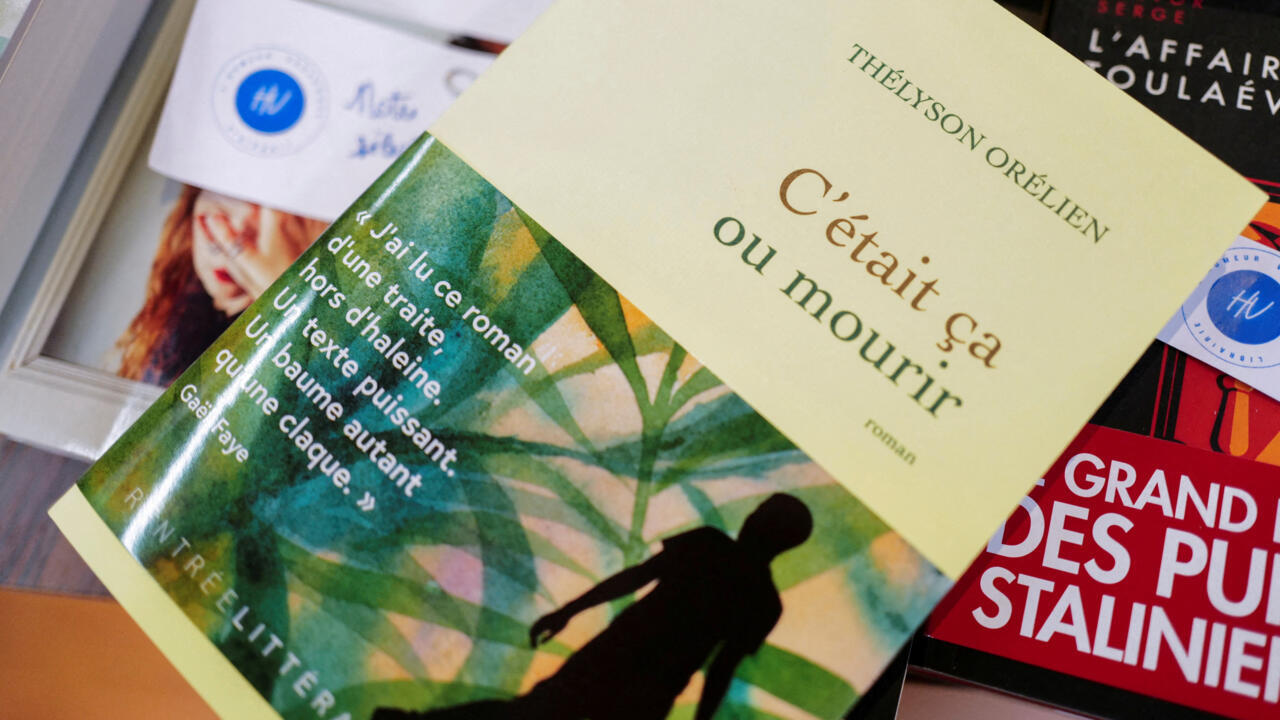
France still very much takes its literary prize-giving season seriously. So when a Haitian-born Canadian writer was accused of infusing his best-selling breakout novel with artificial intelligence, it got ugly in a hurry. We wade into the Thélyson Orélien affair with its subsequent accusations of racism, previous plagiarism by the author and doubts over the accuracy of AI verification tool Pangram. Interesting, some still love Orélien's book. Is that a problem? The scandal is all the more heartbreaking for publishers because "It Was Either That or Die" has sold 40,000 copies since its release, this as book sales have collapsed dramatically since the commercial launch of ChatGPT four short years ago. Read morePrix Goncourt drops Canadian-Haitian writer from top French literary prize list over AI claims All this begs an even broader question: most of humanity only started reading and writing in the past century. Is that period over already? Future generations will certainly know how to read street signs and subtitles on a video. But if we're no longer stopping what we do to engage meaningfully with the written word, how will that change us all? Produced by François Picard, Rebecca Gnignati, Juliette Laffont, Ilayda Habip, Charles Wente. Our guests Aysegül SERT Independent journalist Stephen CLARKE British author William MARX Writer & Professor of comparative literature, Collège de France
Will AI write our books? Row over bestseller fuels fear over future of literature
Full Article
Original Source
Read the full article at France24 →KhanList aggregates and links to publicly available news content. We do not host full articles from third-party sources. Always verify important information with original sources.