
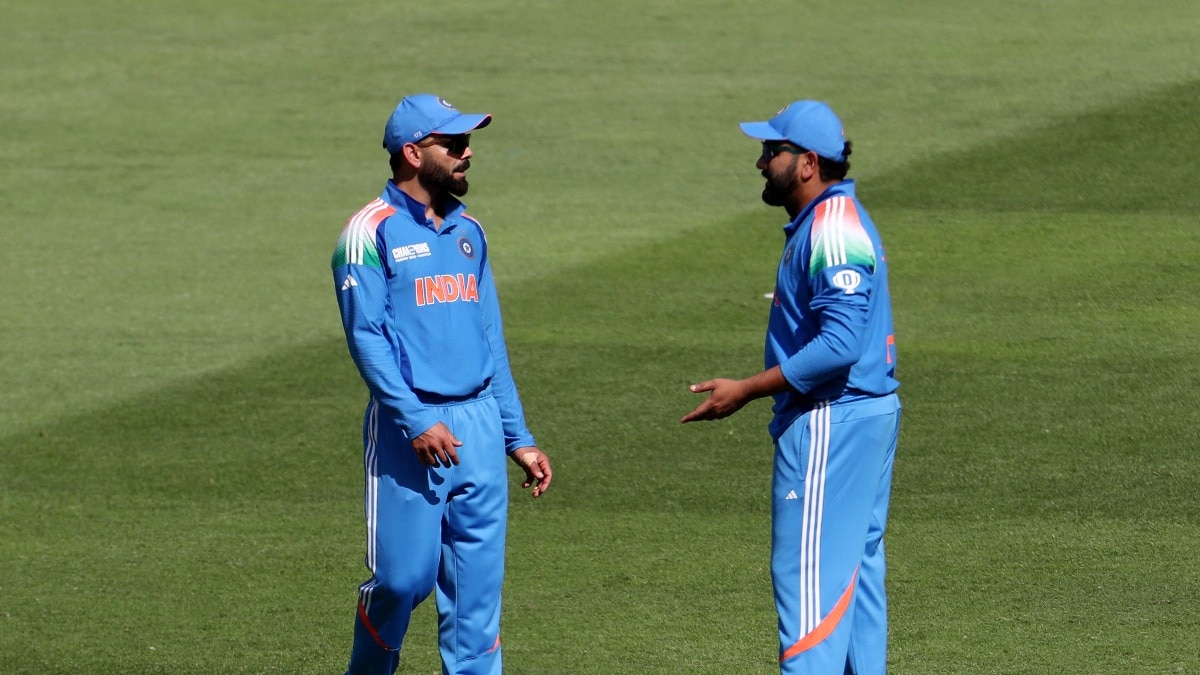
New Zealand's compact grounds leave fielders with little time to react, but Virat Kohli and Rohit Sharma have experience on their side. India's fielding coach Subhadeep Ghosh explains how anticipation sets the veterans apart.Kohli and Rohit were brilliant at their fielding duties in Auckland ODI. (Reuters Photo)New Delhi,Nov 6, 2026 11:45 ISTVirat Kohli and Rohit Sharma's experience is proving valuable as India adapt to New Zealand's short-boundary challenge on the ongoing tour. Fielding coach Subhadeep Ghosh believes their ability to anticipate the ball, honed over years of playing in the same positions, gives them an edge when reaction time is limited.India were sharp in the field during the opening ODI in Auckland, with Kohli taking a superb catch and Rohit producing a quick pick-up and throw to run out Daryl Mitchell. The visitors went on to win by five wickets, taking a 1-0 lead in the five-match series.Speaking ahead of the second ODI, Ghosh explained how experience and anticipation have helped the two senior players stand out. He also outlined India's efforts to prepare for the specific demands of fielding on New Zealand grounds."In fielding, one thing that is important is anticipation. Virat has fielded in covers, and point for lakhs of time. He knows the trajectory of the ball, the path of the ball, impact of the ball. He reads the situation earlier than other guys," Ghosh said. "Same for the Rohit run out, he was anticipating the ball. Experience as well as natural talent (goes into making a great fielder) and doing the same thing again and again," he added.Ghosh said India are also working on stability and judging the ball early, using lighter balls in practice to sharpen the players' reactions. He pointed out that New Zealand's smaller grounds leave fielders with less time to respond, making positioning and anticipation even more important.EXPERIENCE GIVES VETERANS AN EDGE Kohli's years of fielding in the covers and at point have helped him develop an instinct for reading the ball's trajectory and movement. That familiarity allows him to anticipate where it is headed and react quickly when the ball comes his way.It's the King's birthday weekend, and we get the presents! Watch the HERO VIDA India Tour of New Zealand 1st ODI, LIVE NOW on Sony Sports Network TV channels, Sony LIV & Sony Vizha. #SonySportsNetwork #SonyLIV #SonyVizha #NZvIND | [Virat Kohli] https://t.co/LffbctfFwm— Sony Sports Network (@SonySportsNetwk) November 4, 2026Rohit's run-out of Mitchell was another example of that awareness. Ghosh believes such moments are the result of a combination of natural ability, experience and repetition, with both players having spent years honing their fielding skills.SHORT BOUNDARIES, QUICKER REACTIONSNew Zealand's compact grounds pose a different challenge for visiting fielders. With the boundary closer, there is often little room for traditional outfield positioning, leaving players inside the circle with less time to react.India have been using lighter balls in training to prepare for these conditions. The drills are designed to improve stability, judgement and the first movement towards the ball, all crucial when fielders have less time to respond."The lighter ball moves away from you and requires stability," Ghosh said."These aspects we always talk about in the dressing room. If you play in (grounds with) small boundaries, there is no outfielder, everyone is infielder. The reaction time is less, the boundary is so close," he added.India will look to carry their fielding intensity into the second ODI against New Zealand at Hnry Stadium in Wellington on Saturday, November 7. Shubman Gill's side lead the five-match series 1-0 after their win in Auckland, while the hosts will be looking to bounce back and level the contest on home soil.- Ends
Why Virat Kohli, Rohit Sharma have an edge in New Zealand's fielding challenge
Full Article
Original Source
Read the full article at Indiatoday →KhanList aggregates and links to publicly available news content. We do not host full articles from third-party sources. Always verify important information with original sources.