
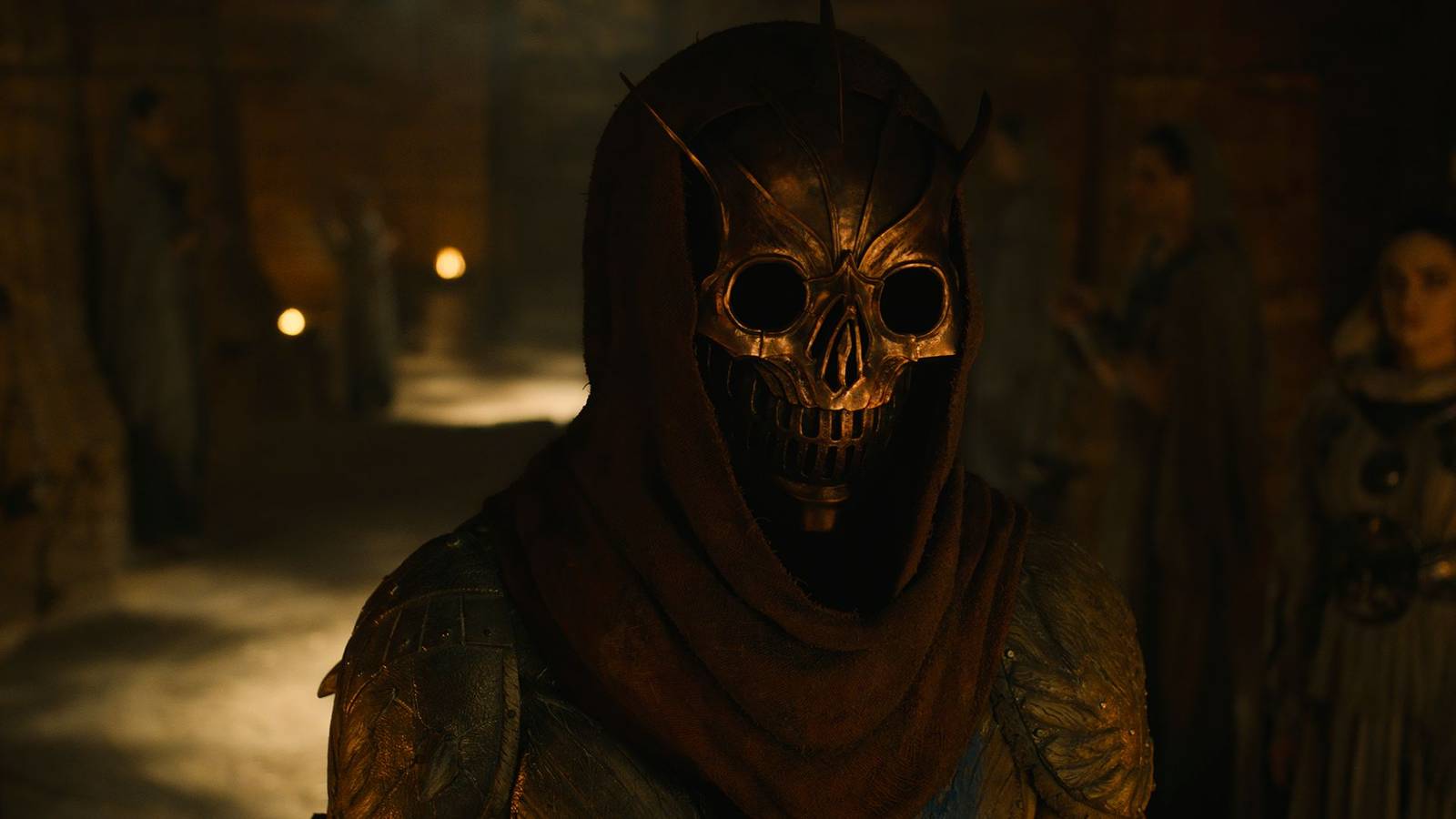
Published Nov 12, 2026, 3:00 PM EST Angel Shaw is a Lead Writer and Critic on ScreenRant's TV team, covering new-release and classic TV shows across all major streaming platforms. She has been a writer with ScreenRant since 2022 and specializes in Harry Potter, The Lord of the Rings, and fantasy. Angel holds a bachelor's degree in language interpreting and is passionate about all things culture and communication—especially in how it relates to popular media throughout history (from Shakespeare to Friends to Game of Thrones). Warning! Spoilers for Rings of Power season 3, episodes 1-4 ahead! Sauron officially adds men to his ranks in The Lord of the Rings: The Rings of Power season 3. This newest installment in Prime Video's fantasy TV series picks up after a five-year time jump, so the episodes are set right in the heat of the War of the Elves and Sauron. In J.R.R. Tolkien's legendarium, this is a relatively short yet devastating conflict during which the Dark Lord's forces swept through Eriador, and the Elves were, overall, left to fend for themselves. Of course, Men ultimately join the good fight, and we eventually end up with the Last Alliance of Elves and Men. Before this great alliance can happen, however, things have to get pretty desperate in Middle-earth, and that's where Rings of Power season 3 finds its foundation. The Elves may be largely on their own, but Sauron has the loyalty of orcs, fell beasts, and, perhaps the most numerous, Men. It's an ironic alliance, since the race of Man doesn't stand to benefit much from the Dark Lord's true plan for Middle-earth. Yet, we see in both Rings of Power and Tolkien canon that several tribes of Men were more than eager to lend Sauron a hand. For now, these regions are predominantly those South of Mordor, previously called the Southlands, and the Eastern region of Rhûn. In truth, there is a long history among these humans of following Dark Lords. This has a lot to do with why they continue to fight for Sauron, even going into The Lord of the Rings, and, in some ways, this is the fault of Elves and their human allies. Specific Tribes Of Men Were Far More Susceptible To Sauron's Influence There's an unfortunate series of events that led to the long-standing service the Men of the East offered Sauron. Back during the First Age, when Sauron's master, Morgoth, was the central Dark Lord, the Easter tribes allied with the Noldor Elves. However, a man named Ulfang the Black secretly made a deal with Morgoth for land and riches in exchange for turning on the Elf-lord Caranthir (Fëanor's son) during a battle called Nirnaeth Arnoediad. The betrayal had devastating consequences for the Elves, and, to make matters worse, Morgoth never delivered on his promises. Trust couldn't be regained between the Elves and the Men who betrayed them to serve Morgoth. Rings of Power demonstrates this with the Southlanders in season 1. Even as centuries passed, the Elves continued to hold these Men in scorn. When the War of Wrath ended, there was no place for them in the central realms of Middle-earth, and so the Easterlings were pushed back to their homes. Thousands of years of resentment and prejudice on both sides meant that these Men who had previously served Morgoth were the perfect victims of Sauron's manipulation. He only had to promise them land, wealth, and power again. Unlike Morgoth, Sauron sometimes delivered on these things in advance, with more to come if they continued to serve faithfully. The Men of the East (and in the Southlands in Rings of Power) had been in the dumps since Morgoth fell, and Sauron knew exactly what to do with that. The Blue Wizards, Alatar and Pallando, were sent to the East during the Second Age with the specific goal of preventing these tribes of Men from joining the forces of evil again. Though they didn't fully succeed, Tolkien has expressed in some of his writing that there would have been far more Men fighting for Sauron had they not gone to Rhûn. Why These Tribes Again Joined Sauron In The Lord Of the Rings Sauron's downfall during the Last Alliance of Elves and Men marked the second time these tribes of Men lost to the forces of good and were forced to return to their homes. It really seems they might have recognized later, then, that joining Sauron in the Third Age was a bad idea. However, as we saw in Peter Jackson's Lord of the Rings trilogy, the Easterlings once again headed west with their armies and oliphaunts to fight for Mordor. This happened for largely the same reasons as last time. The reverence of Morgoth and Sauron was largely maintained in these intimate and isolated tribes of Men, and prejudice toward and from the Elves burned all the brighter. Those in Rhûn were deeply limited in land, wealth, and resources, and it seemed that, this time, things would surely end differently. Of course, it did not, and these Men suffered defeat again. Aragorn—King Elessar—went about things a bit differently this time around. He offered surrendering Easterlings royal pardons. While there were still those who hoped to rise against the Men of Gondor, they were swiftly dealt with right there in Rhûn. Over time, these regions finally began to thrive without the oppression of dark forces. We are a long way off from this in Rings of Power, however. For now, we will continue to see these "evil" Men fight for their hopeless cause. Release Date September 1, 2022 Network Amazon Prime Video Showrunner John D. Payne, Patrick McKay Cast Ismael Cruz Cordova Arondir Directors J.A. Bayona, Sanaa Hamri Writers Patrick McKay, John D. Payne, J.R.R. Tolkien, Justin Doble, Jason Cahill, Gennifer Hutchison, Stephany Folsom, Nicholas Adams Franchise(s) The Lord of the Rings Creator(s) Patrick McKay, John D. Payne
Why Men Are Fighting For Sauron In The Rings Of Power (& How It Connects To LOTR)
Full Article
Original Source
Read the full article at Screenrant →KhanList aggregates and links to publicly available news content. We do not host full articles from third-party sources. Always verify important information with original sources.