Published Aug 9, 2026, 5:00 PM EDT Josh is the Content & Growth Lead for Simple Flying's Flight Tracker. From watching aircraft and playing flight simulators at a young age to now sitting in the cockpit, Josh has always been drawn to the world of aviation. JetBlue Airways has spent more than two decades building one of the most respected brands in American aviation. Since launching in 2000, the airline has focused on improving the passenger experience rather than simply competing for the lowest fare. Free high-speed Wi-Fi, seatback entertainment, more generous seating and a customer-focused approach helped JetBlue establish itself as an alternative to both traditional network carriers and ultra-low-cost airlines. Yet JetBlue’s financial performance has moved in the opposite direction. The airline has recorded losses for six consecutive years, accumulated approximately $9 billion in debt and lease obligations, and seen its credit rating fall to CCC+, reflecting growing concerns over its ability to return to sustained profitability. The carrier’s struggles are not because customers have abandoned the product; they are the result of deeper structural challenges. JetBlue Built A Brand Passengers Love, But Airlines Are Not Restaurants Credit: JetBlue Airways JetBlue’s greatest achievement has been creating an airline experience that passengers genuinely appreciate. When it entered the market, the carrier challenged the idea that low fares had to mean a completely stripped-back product. While competitors focused on removing amenities to lower costs, JetBlue invested in features that improved the journey, including complimentary snacks, seatback entertainment, and more comfortable seating. That approach helped JetBlue quickly develop a reputation as one of the most customer-friendly airlines in the US. The carrier continued building that reputation through products designed to capture higher-value travelers. Its Fly-Fi internet service became one of the airline’s strongest differentiators, offering free high-speed connectivity across its fleet when many competitors were still charging passengers. Meanwhile, the Even More Space product allowed JetBlue to generate additional revenue from customers willing to pay for extra legroom. The biggest example of the carrier's ambition has been JetBlue Mint. Introduced in 2014, the product brought lie-flat business-class seating to a market dominated by Delta One, United Polaris and American Flagship Business. Later versions added private suites on A321s, helping JetBlue compete on transcontinental and transatlantic routes using smaller aircraft. However, the challenge has always been financial rather than operational. JetBlue’s Biggest Problem Is Scale Credit: Shutterstock The central challenge facing JetBlue is not the demand for its product; it is the economics of operating at a smaller scale. The largest US airlines have built enormous networks that create multiple revenue advantages. Delta, United and American each operate fleets of more than 900 aircraft, while JetBlue operates around 280 aircraft. That difference affects almost every part of the business, from purchasing power and scheduling flexibility to the ability to recover quickly from disruptions. JetBlue’s network is also more concentrated than its largest competitors. The airline’s strongest positions remain in markets such as John F. Kennedy International Airport (JFK) and Boston Logan International Airport (BOS), where it has built significant brand recognition. However, unlike the legacy carriers, JetBlue does not operate a large hub-and-spoke system capable of feeding thousands of connecting passengers through its network. Delta operates up to 5,500 daily flights across its mainline and Connection carriers, United around 4,000, and American more than 6,000, giving them far greater reach and flexibility compared to JetBlue's approximately 1,000 daily flights. At the other end of the market, JetBlue faces pressure from airlines built around a lower-cost model. Carriers such as Frontier and Allegiant can stimulate demand with extremely low fares because they operate simpler products and generate significant ancillary revenue. JetBlue cannot fully match those prices because its business model includes higher service standards and greater operating complexity. The result is a difficult position: it offers more than low-cost carriers but lacks the scale and network advantages of the major airlines. Pratt & Whitney Turned Fleet Modernization Into A Challenge Credit: Shutterstock JetBlue’s fleet strategy was designed around efficiency improvements, particularly through newer Airbus aircraft. The airline has invested heavily in the Airbus A220 and A321neo, two aircraft families that offer significant improvements over older-generation jets. The A321neo can deliver approximately 15–20% lower fuel consumption compared with previous-generation A321ceo aircraft, while the A220 provides improved economics on thinner routes where larger aircraft would be inefficient. However, JetBlue became one of the airlines most exposed to Pratt & Whitney’s geared turbofan engine problems. The airline operates dozens of A321neos and A220s powered by Pratt & Whitney engines, which meant that inspections and repair requirements removed some of its newest aircraft from service. For an airline with a fleet of under 300 aircraft, losing even a relatively small number of jets creates a much larger operational impact than it would for a carrier operating close to 1,000 aircraft. The consequences extended beyond capacity reductions. JetBlue has had to rely more heavily on older aircraft, increasing fuel costs and maintenance expenses while delaying the efficiency benefits expected from fleet renewal. This came at one of the worst possible times, as the airline was attempting to reduce costs and improve margins through JetForward. Instead of providing a financial advantage, its modern fleet became another operational challenge that management had to overcome. The Two Strategic Moves That Could Have Changed JetBlue’s Future Credit: Shutterstock JetBlue recognized that its biggest long-term weakness was its lack of scale, which is why management pursued two major strategic moves that could have reshaped the airline. The first was its proposed acquisition of Spirit Airlines, announced in 2022 in a deal valued at approximately $3.8 billion, including the assumption of Spirit’s debt. JetBlue argued that combining the two carriers would create a stronger competitor to the dominant legacy airlines, resulting in a fleet of more than 450 aircraft and expanding its presence in key leisure markets across the US. The proposed merger would have significantly changed JetBlue’s position within the industry. Spirit acquired a large fleet of A320-family aircraft, a strong presence in markets such as Florida and the Caribbean, and a cost structure that could have complemented JetBlue’s stronger customer proposition. Management argued that the combined airline could have offered a better product than Spirit while creating a larger low-cost alternative capable of competing against Delta, United, and American. However, regulators saw the deal differently, arguing that removing Spirit would reduce competition and potentially lead to higher fares for price-sensitive travelers. JetBlue’s second strategic setback came with the collapse of its Northeast Alliance with American Airlines. The partnership, launched in 2021, allowed the two carriers to coordinate schedules and expand options for passengers in key markets including New York and Boston. For JetBlue, the alliance offered many of the benefits of a larger network without requiring a full merger, allowing it to compete more effectively against Delta and United in the Northeast. However, a federal court ruled against the arrangement in 2023, forcing the airlines to unwind the partnership. Losing both opportunities left JetBlue without the scale expansion it had hoped would solve one of its biggest structural challenges. JetForward: Can JetBlue Fix The Airline Without Changing Its Identity? Credit: United Airlines With consolidation options removed, JetBlue has shifted its focus towards an internal turnaround through its JetForward strategy. Rather than pursuing rapid expansion, the plan is centered around improving profitability, strengthening core markets and increasing revenue from higher-value customers. Management has targeted between $850 million and $950 million in incremental EBIT improvement by 2027, with savings expected from better operational performance, fleet utilization improvements and tighter cost control. A major part of JetForward is improving reliability and focusing on the routes where JetBlue has the strongest competitive position. The airline has reduced capacity in weaker markets while concentrating resources on higher-performing cities such as New York, Boston and Fort Lauderdale. This represents a significant change from previous years, when JetBlue often pursued growth opportunities before fully proving its profitability. The new approach is designed to ensure that every aircraft and route contributes more effectively to the airline’s financial performance. JetBlue is also looking to maximize the value of its premium brand. Mint remains central to that strategy, alongside the expansion of loyalty revenue through its TrueBlue program and credit card partnerships. The airline is also pursuing its Blue Sky partnership with United Airlines, which aims to provide customers with greater connectivity while keeping both airlines independent. However, unlike a merger, the agreement does not fundamentally change JetBlue’s scale. The success of JetForward will ultimately depend on whether better execution can overcome the disadvantages that have affected the airline for years. JetBlue’s Future: Turnaround, Restructuring or Something Else? Credit: Shutterstock JetBlue enters the next phase of its history facing significant financial pressure. The airline’s approximately $9 billion debt burden, years of losses and high operating costs have created limited room for further disruption. Rising fuel prices, aircraft availability issues, and intense competition continue to challenge profitability, while the CCC+ credit rating reflects investor concerns about whether the airline can generate enough cash flow to meet its obligations. However, financial difficulties do not mean JetBlue lacks value. The airline still controls important positions at some of the most constrained airports in the US, including New York-JFK and Boston Logan, while its brand remains one of its strongest assets. Unlike airlines that failed because customers abandoned them, JetBlue continues to have a loyal passenger base and a differentiated product. Its challenge is converting those advantages into consistent financial returns. JetBlue’s future will ultimately determine whether a high-quality airline can survive without the scale of the largest competitors or the low costs of budget carriers. The company has already proven that passengers appreciate its approach, but aviation is an unforgiving industry where popularity alone is not enough. If JetForward succeeds, JetBlue could emerge as a more disciplined and profitable airline. If it fails, pressure from debt and competition could force the carrier to consider more drastic options.
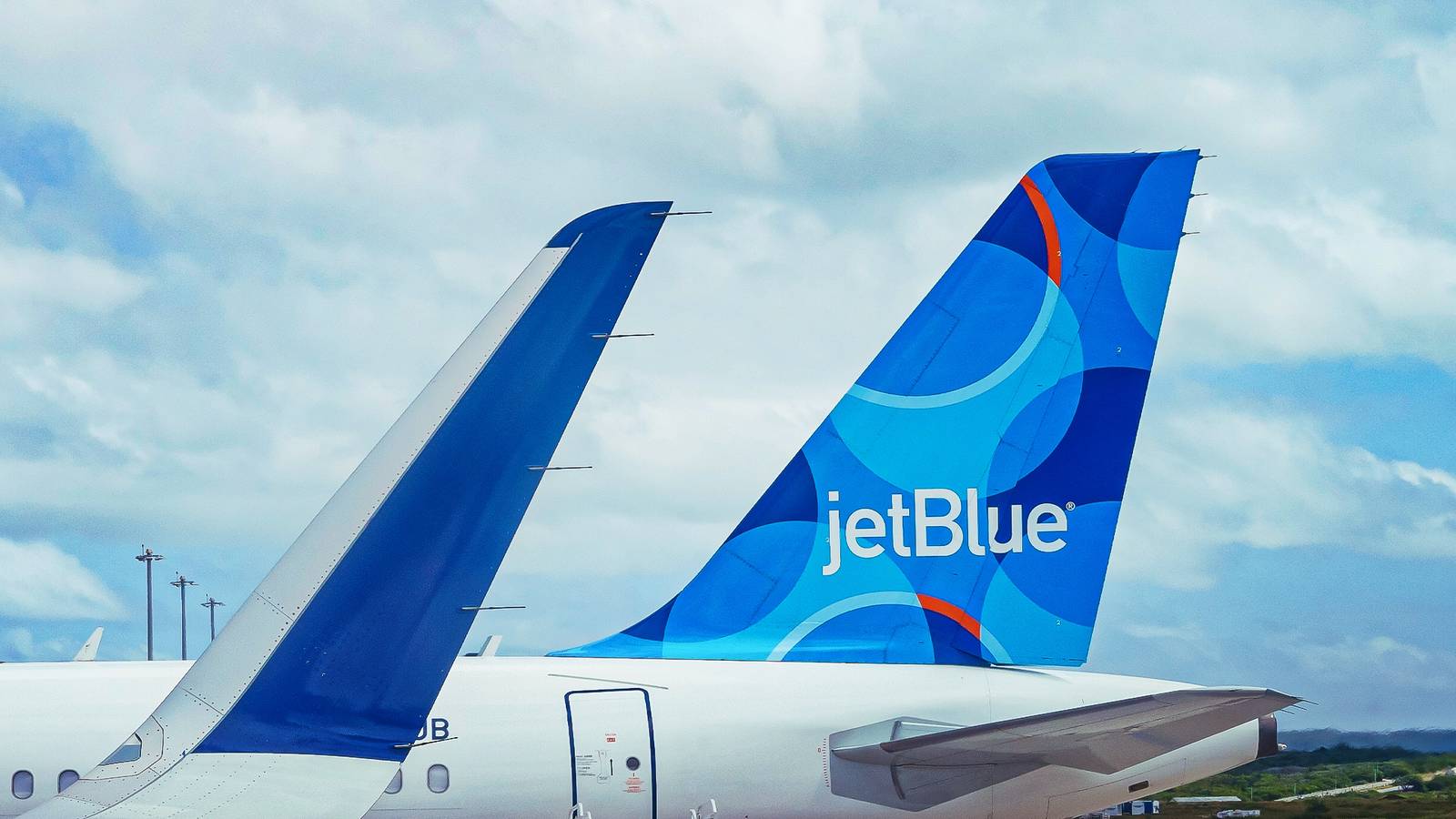
Why JetBlue Keeps Struggling Despite Doing So Much Right
Full Article
Original Source
Read the full article at Simpleflying →KhanList aggregates and links to publicly available news content. We do not host full articles from third-party sources. Always verify important information with original sources.